


Lumaz
Cabinet LED Sensor Switch - Touch, Hand Sweep, Door or PIR, 12–24V
Cabinet LED Sensor Switch - Touch, Hand Sweep, Door or PIR, 12–24V
Verfügbarkeit für Abholungen konnte nicht geladen werden
🚛 Free Shipping
🎯 30-Day Money-Back Guarantee
😍 Most customers are buying more than one!
 Vollständige Details anzeigen


Product Overview
Bring the right control to a 12–24V cabinet light: wave near a sensor, touch a button, open a door, or move into PIR range. This compact switch is an accessory for wardrobes and cupboards, with a separate variant for each sensing method.
Key Benefits
- Hands-free hand sweep — Switch the light on or off with a wave 3–8cm from the sensor.
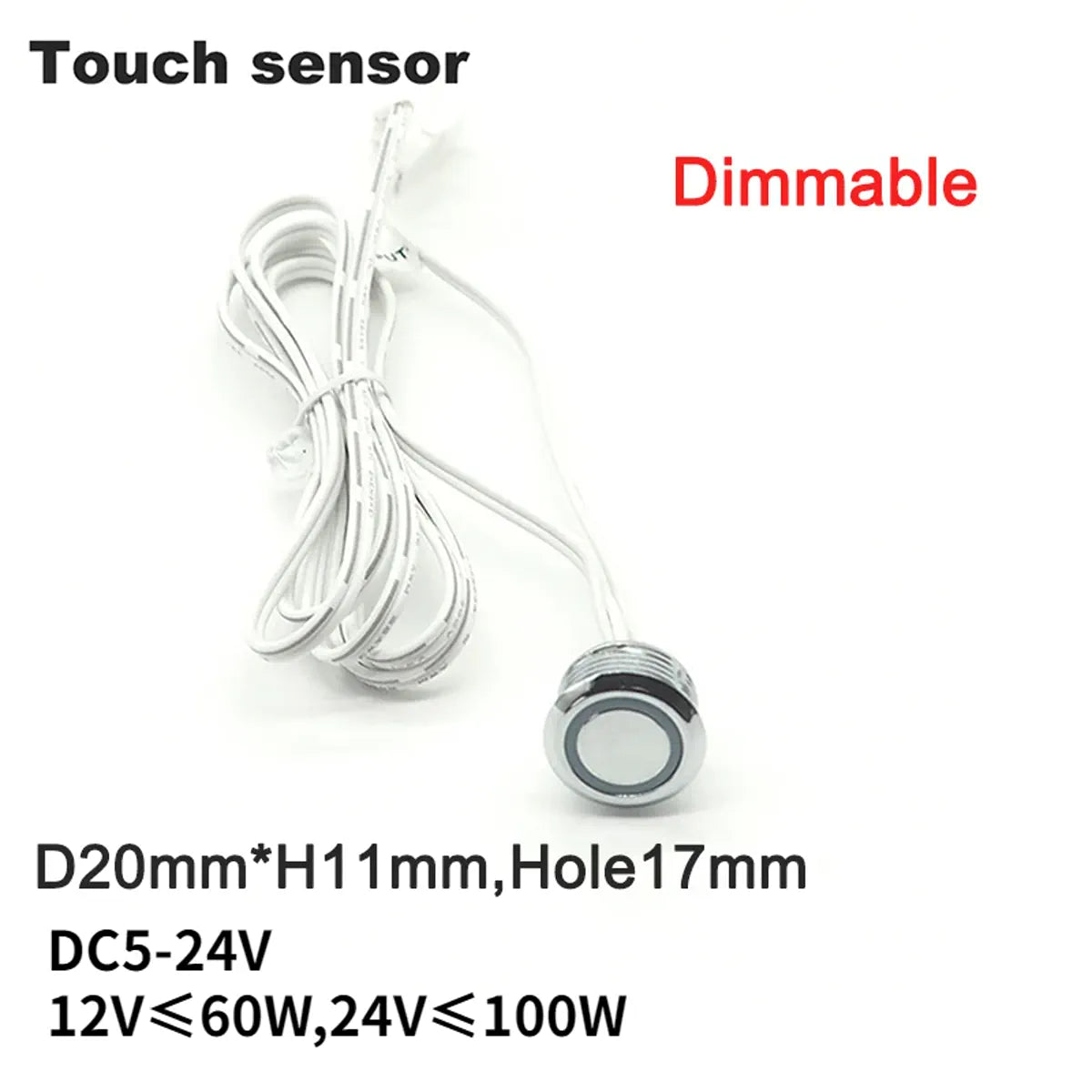
- Touch and dim — The touch model turns lighting on or off and adjusts brightness.
- Light follows the door — Door-sensing models turn cabinet lighting on when opened and off when closed.
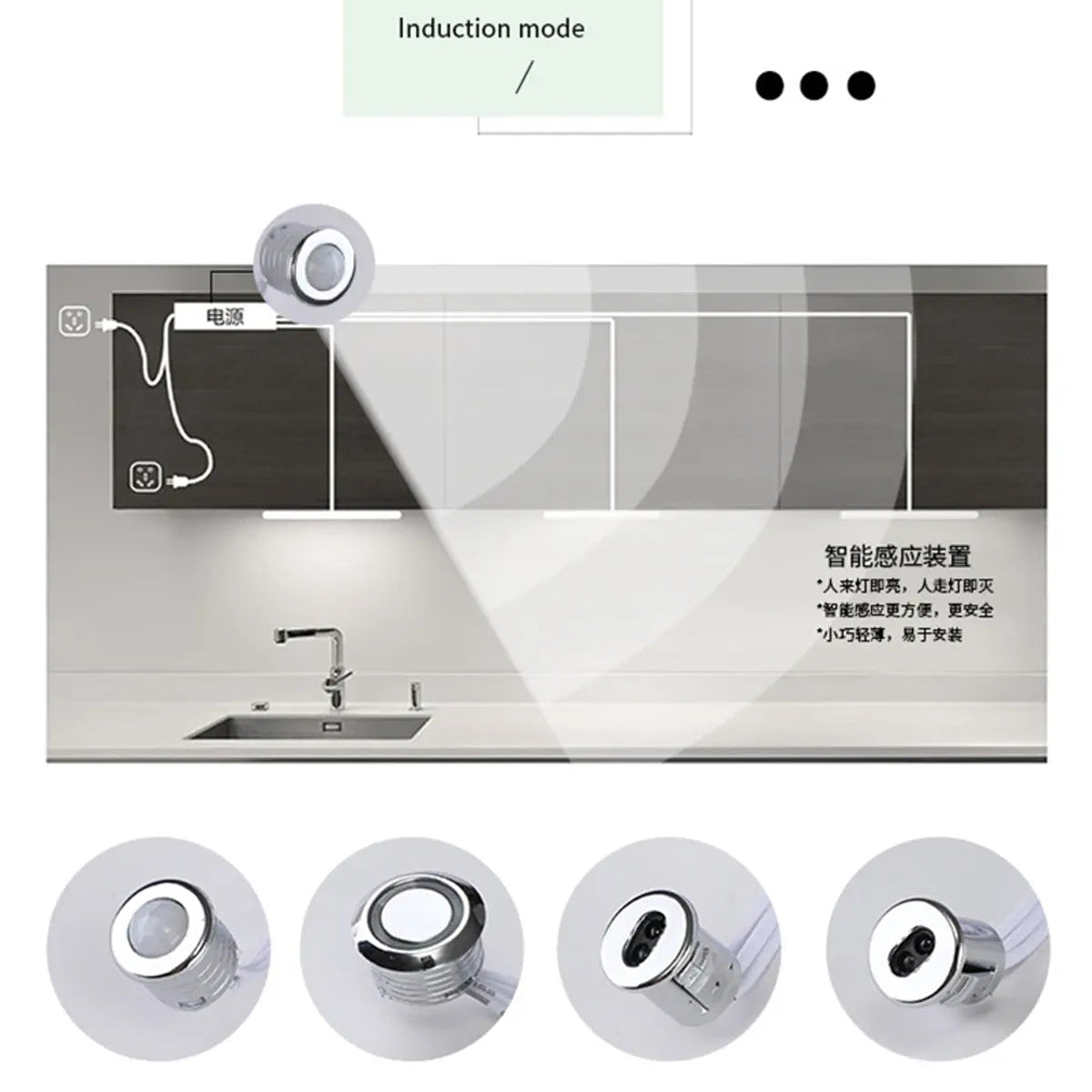
- PIR for walk-up use — The PIR model senses movement at 1–3.5m and switches off after 30 seconds.
Visual Details

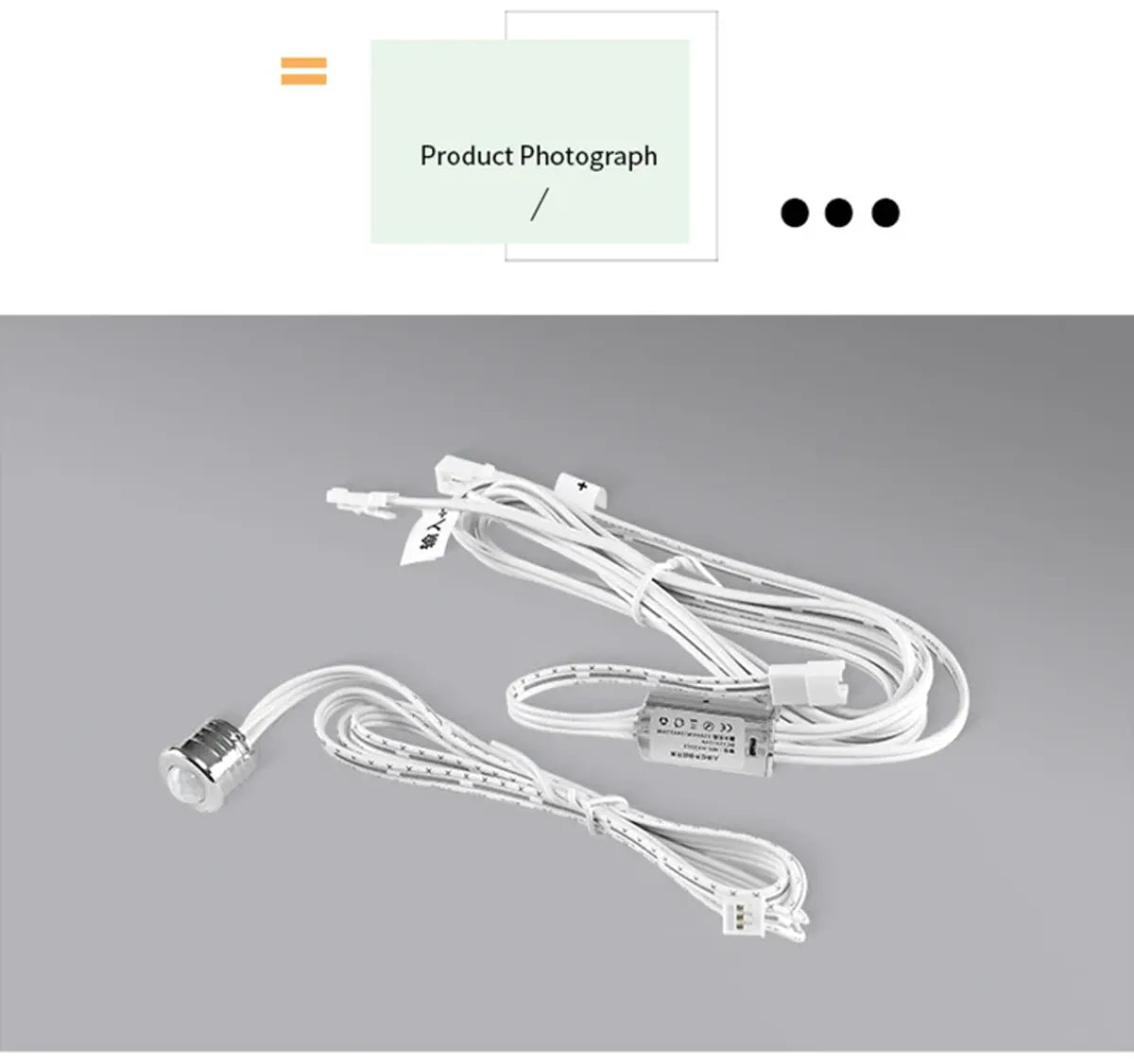
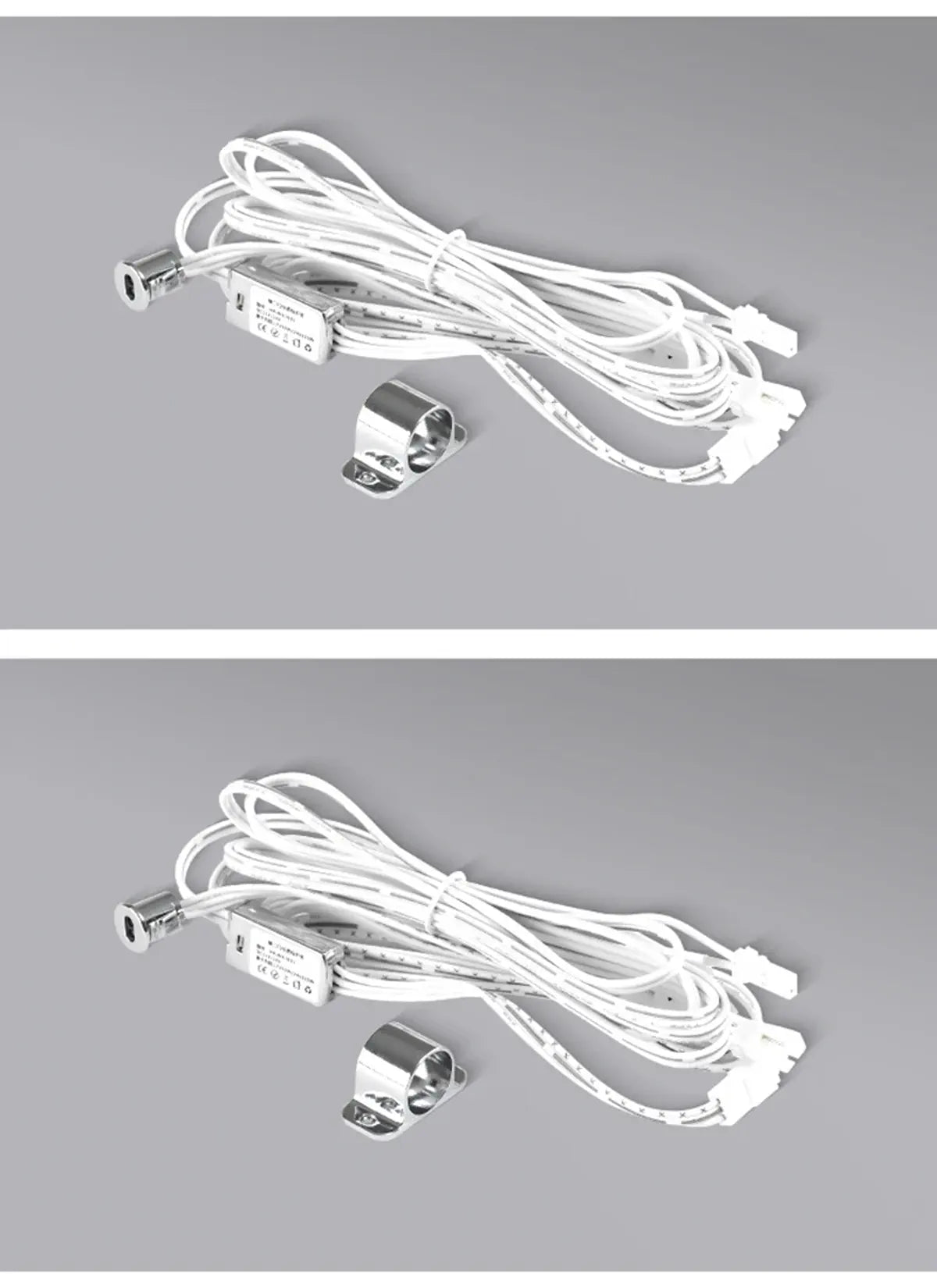
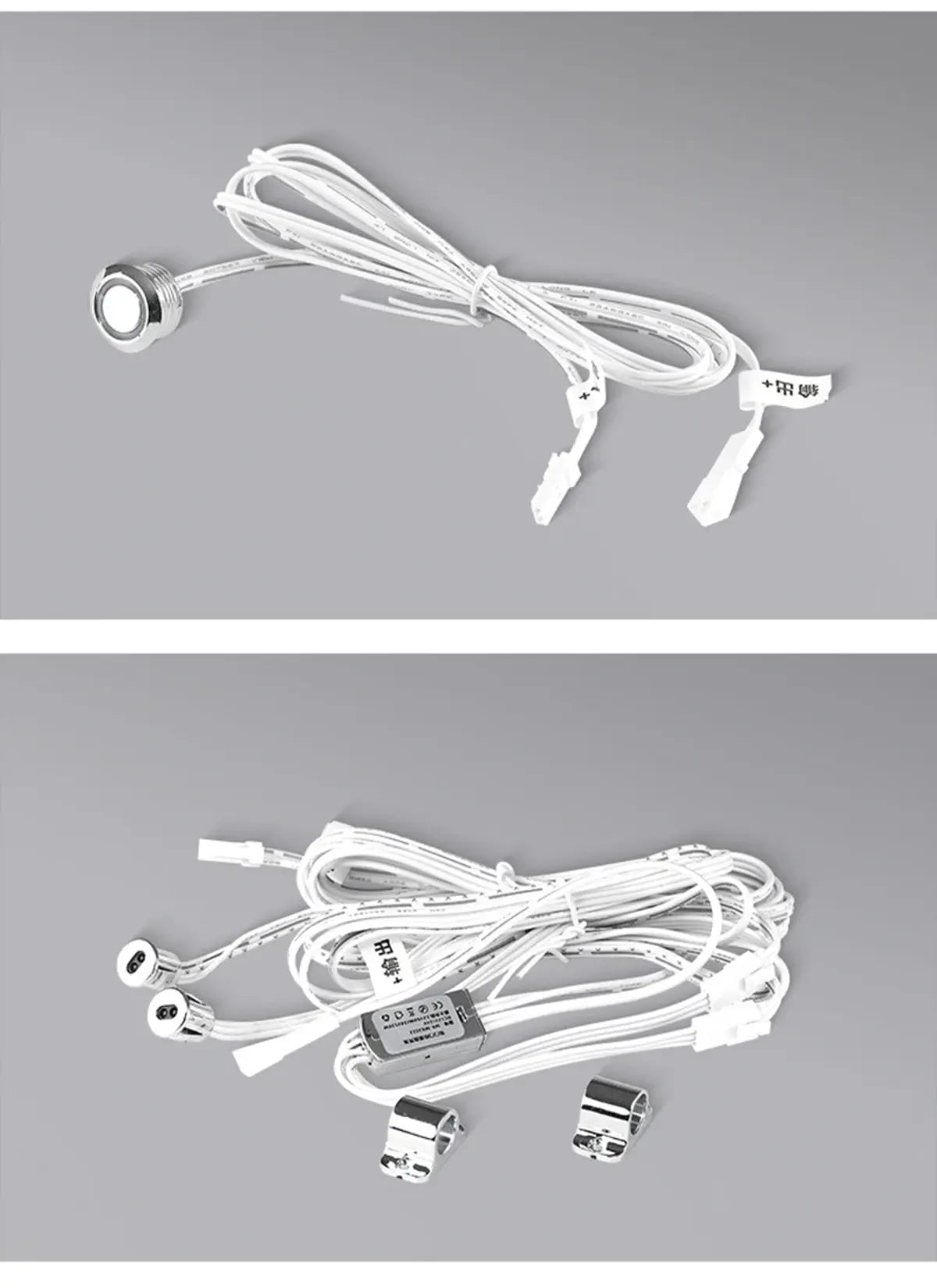
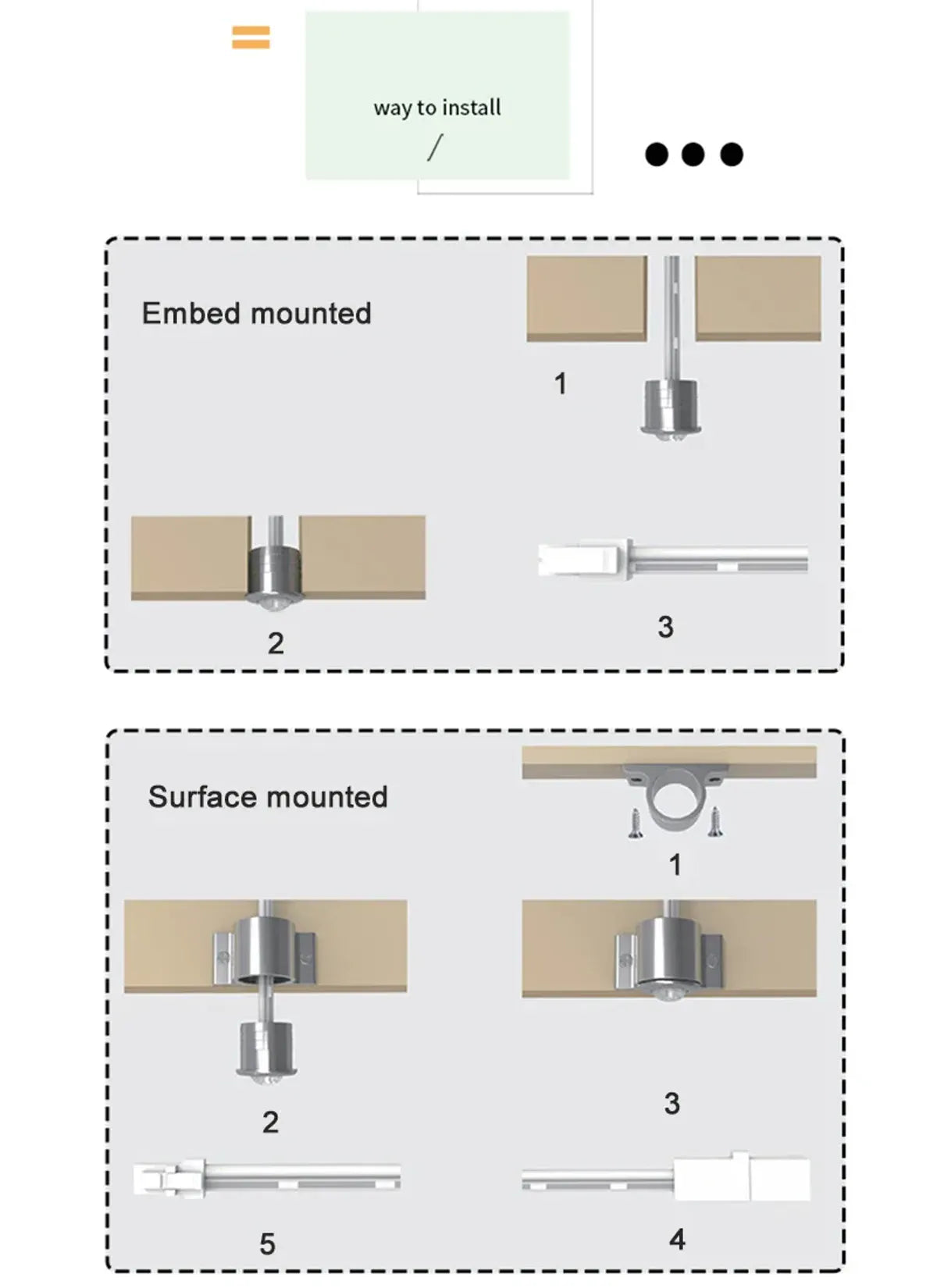
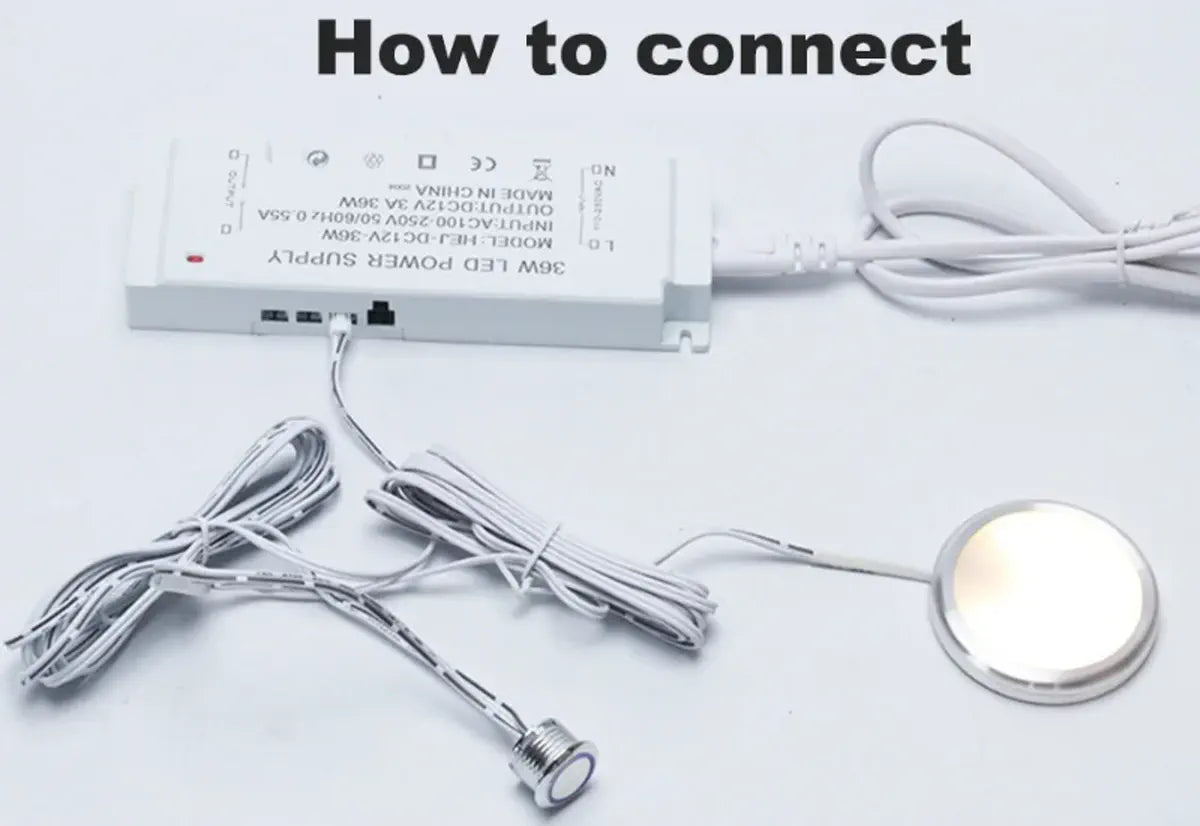
Specifications
| Product type | Cabinet LED sensor switch accessory |
| Selectable modes | PIR, touch, door sensor, hand sweep, or two-head door sensor |
| Supported voltage | 12–24V DC |
| Rated current | 5A |
| Material | Plastic |
| Hand-sweep range | 3–8cm |
| PIR sensing range | 1–3.5m |
| PIR shutoff delay | 30 seconds after movement stops |
| Hand-sweep / door sensor head | 12mm outer diameter; 10mm mounting hole |
| Touch sensor head | 20mm outer diameter; 17mm mounting hole |
| PIR sensor head | 16mm outer diameter; 14mm mounting hole |
FAQ
💡 Which control type should I choose for a cabinet light?
Choose hand sweep for a 3–8cm wave, touch for on/off and dimming, door sensing for open/close activation, or PIR for movement detection at 1–3.5m. The two-head door option has two sensor heads for the selected setup.
💡 Does the door sensor switch the light off when the cabinet closes?
The door-sensing versions turn the connected cabinet light on when the door opens and off when it closes.
💡 What voltage does this LED sensor switch need?
Use this sensor switch with 12V or 24V DC lighting, matching the power supply and connected LED load. The stated current rating is 5A.
💡 How much mounting space does the sensor head need?
The listed cutout is 10mm for hand-sweep and door sensors, 17mm for touch, and 14mm for PIR. Check the selected head and mounting layout before drilling.
Choose the sensing method first, then check voltage and the selected head’s mounting size.
