

Working at Height Safely: Fall‑Prevention Checklist for Hanging Outdoor Lights
Table of Contents
- Why working at height safely matters when hanging outdoor lights
- Common risks and evidence: what accidents look like
- Pre‑task planning: site survey and risk assessment
- Selecting the right equipment for safety and efficiency
- Fall‑prevention checklist: step‑by‑step for hanging outdoor lights
- Ladder setup and safe climbing techniques
- Using fall‑arrest systems and anchors for outdoor lighting
- Working with electricity safely while elevated
- Post‑installation checks, maintenance, and documentation
- When to hire a professional and how to evaluate contractors
- Further reading and credible resources
- FAQs — quick answers to common questions
Why working at height safely matters when hanging outdoor lights
Hanging lights at elevation introduces fall and electrical hazards that can cause serious injury or death; safe practices reduce risk, liability, and repair costs while ensuring a tidy, reliable installation.
Outdoor light installation often looks simple, but falls from ladders or roofs and electrical shocks are among the most common home‑project injuries. The Occupational Safety and Health Administration (OSHA) emphasizes that fall protection is essential wherever workers face a drop hazard; similar principles apply to homeowners and contractors. For high‑risk jobs, following a structured fall‑prevention checklist saves lives and money (OSHA — Fall Protection). The U.S. Consumer Product Safety Commission (CPSC) and NIOSH also provide guidance on ladder and fall safety for DIY projects (CPSC, NIOSH).
Common risks and evidence: what accidents look like
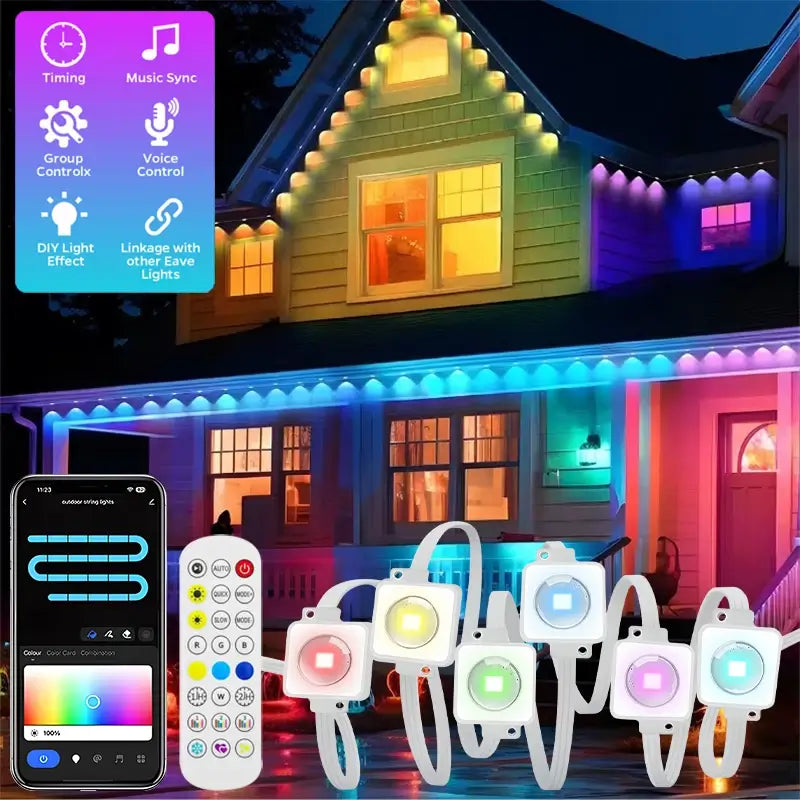
100FT 60 LED Permanent Outdoor Eaves LED Lights Waterproof RGB Christmas String Lights
Falls from ladders and elevated surfaces plus electrical contact are the primary hazards when hanging exterior lighting.
Key risk types:
- Falls from ladders, roofs, or raised platforms (slips, overreaching, unstable ladders).
- Electrocution or shock from overhead power lines or live fixtures.
- Tool drops or fixture failure causing secondary injuries.
Why it matters: OSHA states that falls are a leading cause of worker fatalities in construction and enforces fall‑protection standards for tasks performed at height. NIOSH and CPSC data show ladder‑related incidents remain common, especially during seasonal projects like holiday lighting. Treat hanging lighting as a combination of ladder work + electrical work — both require planning and verified equipment.
Pre‑task planning: site survey and risk assessment

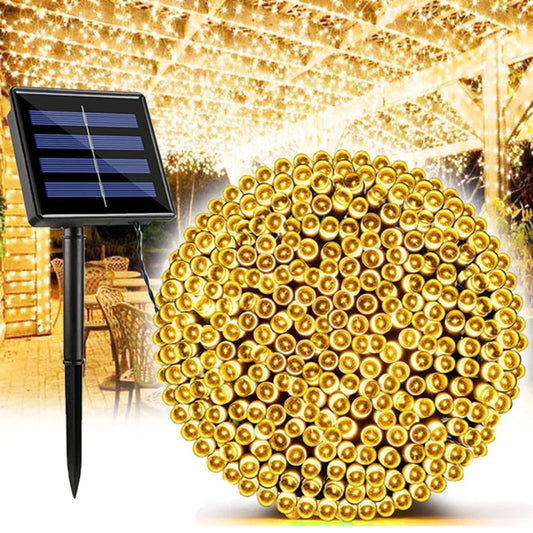
1/2/4PCS Led Crystal Globe Lights Solar String Lights Outdoor with 8 Modes Waterproof
Before you climb, inspect the work area, identify hazards, and decide whether to proceed or hire a pro.
Essential pre‑task steps (quick):
- Walk the entire area to identify height, roof pitch, surfaces, and nearby power lines.
- Check weather: avoid wind, rain, or ice. Postpone if conditions increase slip or electrical risk.
- Decide access method: ladder, scaffold, aerial lift, or professional service.
- Determine fall protection needs (anchor points, harnesses) and electrical isolation.
Red flags that should trigger hiring a professional:
- Work above 6 feet over ground on a steep roof or near unguarded edges (OSHA threshold for many construction standards).
- Close proximity to overhead power lines (call utility company for line de‑energizing or safe distance guidance).
- Complex wiring on wet surfaces or large electrical panels.
Selecting the right equipment for safety and efficiency
Choose ladders, anchors, harnesses, and tools designed and rated for the specific job; mismatched gear increases fall risk.
Critical equipment checklist:
- Correct ladder type and duty rating (see table below).
- Fall‑arrest harness and shock‑absorbing lanyard when working where a fall would be hazardous.
- Anchorage connectors rated to OSHA requirements (or engineered anchors for permanent work points).
- Insulated tools or gloves if working near live conductors.
- Non‑slip footwear, eye protection, and a hard hat when overhead hazards exist.
Benefits of right gear: Reduces likelihood of failure, allows efficient work at height, and demonstrates due diligence if an incident occurs.
Comparison: ladder types and when to use them
Quick reference comparing common ladders for hanging lights; pick one that suits height and stability needs.
| Ladder Type | Usual Max Reach | Best Use | Pros | Cons |
|---|---|---|---|---|
| Step Ladder | 8–20 ft | Low rooflines, eaves, single‑story tasks | Self‑supporting, stable base | Limited height; not for leaning against gutters |
| Extension Ladder | 20–40+ ft | Reaching higher gutters and rooflines | Greater reach, lightweight aluminum models | Requires proper angle/support; slip risk at base |
| Articulating/Multipurpose | Varies | Irregular surfaces, stairs, or where multiple configurations required | Versatile; converts to scaffolding or step ladder | Heavier; hinges require inspection |
| Platform Ladder | 6–20 ft | Work requiring tool rest and longer tasks | Stable platform, comfortable for prolonged work | Bulkier and heavier |
Also consider ladder duty ratings (Type I, IA, IAA etc.) for load capacity and intended use. OSHA and ladder manufacturers list duty ratings and safe usage practices (OSHA Ladder Safety eTool).
🔦 The right tools make all the difference. For reliable, energy-efficient outdoor lighting that’s built to last, choose Lumaz.
Fall‑prevention checklist: step‑by‑step for hanging outdoor lights
A practical, prioritized checklist to follow from planning through completion to minimize fall and electrical risks.
- Plan the route and measure: identify anchorage points, outlet locations, and reach distances.
- Wear PPE: non‑slip shoes, eye protection, gloves; harness if needed.
- Set ladder correctly: stable footing, 4:1 rule for extension ladders (1 foot out for every 4 feet up), lock spreaders on step ladders.
- Inspect ladder and gear: no bent rails, cracked rungs, frayed harnesses, or corroded anchors.
- Use a helper: hold the ladder base, pass tools, and provide spotter duties for traffic or pedestrians.
- Establish an anchor: if risking a fall, attach a certified anchor rated to 5,000 lb per OSHA or to an engineered specification.
- Avoid working near live lines: de‑energize circuits or maintain safe clearance; consult utility for overhead lines.
- Limit load: do not carry heavy spools or long ladders while climbing; hoist lights with rope from ground when possible.
- Complete and inspect: after installation, test attachment points, secure loose wires, and clean up loose hardware to prevent trip hazards.
- Document: take photos of anchor points and gear used; keep a short record for future maintenance or liability protection.
Ladder setup and safe climbing techniques
Proper ladder placement, angle, and climbing habits cut fall risk dramatically; follow manufacturer and OSHA guidance.
Key setup rules:
- Base on firm, level ground; use ladder levelers or anti‑slip feet on soft soil.
- Angle: 4:1 rule for extension ladders; secure ladder top to structure when possible.
- Three points of contact: maintain two hands and one foot or two feet and one hand on rungs while moving.
- Face the ladder: do not lean sideways; instead, reposition the ladder.
- Keep belt buckle between side rails; overreaching causes upsets.
Climbing with tools:
- Use a tool belt or hoist line instead of carrying items in hands.
- Limit time perched on ladder rungs; use a platform ladder for longer tasks.
Using fall‑arrest systems and anchors for outdoor lighting
When a fall could cause serious injury, employ personal fall‑arrest systems (PFAS) anchored to rated points meeting OSHA requirements.
Design & rating facts:
- Anchorage strength: anchorages must support at least 5,000 pounds per attached worker or be designed by a qualified person to a safety factor (per OSHA 1926.502).
- PFAS components: full‑body harness, shock‑absorbing lanyard or self‑retracting lifeline, and compatible anchor connector.
- Clearance calculation: ensure sufficient fall clearance below the work area so arresting systems do not hit lower levels.
Practical anchor options for outdoor lighting:
- Permanent roof anchors installed by a qualified roofer or contractor.
- Portable beam or tripod anchors for flat surfaces.
- Vehicle or rigid structure anchors when verified for load.
Note: Improvised anchors (e.g., gutters, plastic trim) are unsafe. If a certified anchor is not available, do not work where a fall could occur; hire an experienced professional.
💬 "We hired a pro after realizing our gutters weren't anchor‑rated — worth every dollar. The crew used an engineered anchor and finished twice as fast." — neighborhood holiday‑lighting installer
Working with electricity safely while elevated
Combine fall protection with electrical safety: de‑energize circuits, maintain dry work conditions, and use insulated tools near wiring.
Electrical safety steps:
- Turn off power at source when possible; use lockout/tagout for serious work.
- Maintain clearance from overhead power lines; utility companies recommend staying several meters away and may need to de‑energize lines.
- Use GFCI‑protected extension cords and weather‑rated fixtures for outdoor use.
- Inspect bulbs, connectors, and wiring for moisture intrusion or damage before installation.
When to call an electrician:
- If adding new circuits or outlets.
- If wiring passes through roofline or involves permanent splice work.
- If you suspect shared neutrals, undersized breakers, or code compliance questions.
Post‑installation checks, maintenance, and documentation
After lights are hung, verify mechanical and electrical integrity, schedule inspections, and preserve evidence of proper practices.
Immediate checks:
- Confirm all fasteners are secure and anchors show no visible movement.
- Test each string of lights under normal power and observe for flicker or heat buildup.
- Ensure cable runs don’t create trip hazards and are protected from sharp edges.
Maintenance plan (simple):
- Seasonal inspection before each major lighting season (look for frayed wires, loose hooks, rusted fasteners).
- Replace burned or damaged components; tighten hardware after storms or heavy winds.
- Keep a log of inspections and corrective actions (date, photos, notes) for homeowner records or contractor accountability.
Limitations and realistic expectations:
- DIY proficiency has limits: structural roof work, complex wiring, or working near live conductors should be handled by licensed pros.
- Anchors and PFAS require training to use correctly — misuse can give false security.
When to hire a professional and how to evaluate contractors
Hire professionals for high risk, complex electrical work, or when certified fall protection anchors and training are required.
Signs you should hire a licensed contractor:
- Work above 6 feet with unguarded edges, steep roofs, or complex anchoring needs.
- Proximity to utility lines or need to alter house electrical service.
- Large scale or commercial installations.
Questions to ask potential contractors:
- Are your employees trained in fall protection and ladder safety? Request training certificates.
- Can you provide proof of insurance and workers’ compensation?
- What anchors and PFAS will you use, and are they rated to OSHA standards?
- Do you follow local electrical and building codes; will you pull permits if required?
Documentation to obtain:
- Written estimate with scope and safety measures described.
- Photographs of anchor points used and final installation.
- Receipt and warranty for materials and workmanship.
Further reading and credible resources
Trusted government resources provide authoritative guidance on ladder, fall, and electrical safety.
- OSHA Fall Protection and Ladder Safety resources: https://www.osha.gov/fall-protection and https://www.osha.gov/etools/ladder-safety.
- NIOSH information on fall prevention and ladder safety: https://www.cdc.gov/niosh/topics/falls/.
- Consumer Product Safety Commission tips on ladder safety and holiday decoration hazards: https://www.cpsc.gov.
FAQs — quick answers to common questions
Concise answers to frequent homeowner and DIY contractor questions about hanging outdoor lights safely.
- 1. At what height do I need fall protection when hanging lights?
- For construction work, OSHA generally requires fall protection at 6 feet or greater; for homeowners, use the same caution—if a fall could cause serious injury, use fall protection or hire a pro.
- 2. Can I use gutters as an anchor point for a harness?
- No. Gutters and trim are not engineered for fall loads. Anchors must be rated and installed by a qualified person or be manufacturer‑rated anchors designed for fall arrest.
- 3. What ladder angle is safest?
- Use the 4:1 rule for extension ladders: for every 4 feet of vertical height, place the base 1 foot away from the structure. Secure the top and have a spotter at the base.
- 4. Are holiday light extension cords safe to run on ladders or roofs?
- Use outdoor‑rated (weatherproof) cords and keep them clear of sharp edges. Avoid overloading circuits and plug cords into GFCI‑protected outlets.
- 5. How often should anchors and harnesses be inspected?
- Inspect before each use for visible wear, fraying, corrosion, or damage. Follow manufacturer guidance for detailed periodic inspections and retirement intervals.
Related Articles:
- Improve Home Security with Motion Sensor Lights
- How to Set an Outdoor Lighting Timer
- Outdoor Can Lights: Complete Guide
- Outdoor Lighting Buying Guide: Pick Right Fixtures
- Top 5 Solar Pathway Lights for Garden (2025)
- 6 Tips to Choose the Best Solar Flood Light
- Creative Uses for Solar Rope Lights in Garden & Patio
















 />
/>
 />
/>
 />
/>
 />
/>
 />
/>