

Holiday Lighting Safety for Kids & Pets: Choosing Low-Heat, Shatterproof LEDs and Safe Layouts
Table of Contents
- Why choose low-heat, shatterproof LEDs for holiday lighting?
- What hazards do holiday lights and decorations pose to kids and pets?
- How to select LED lights: specs, labels, and what to look for
- Compare common holiday light types (heat, fragility, best use)
- Designing safe layouts: placement, cord management, and childproofing
- Electrical safety: load calculations, surge protection, and GFCIs
- Maintenance, monitoring, and what to do in emergencies
- Cost, energy, and durability: comparing LED vs. incandescent for family homes
- Limitations and realistic expectations
- Quick buying & setup checklist for busy parents and pet owners
- FAQs
Holiday lighting creates warmth and wonder — but when children and pets share the home, the wrong lights or layout can create real hazards. This guide shows how to choose low-heat, shatterproof LEDs and design kid- and pet-safe lighting layouts with step-by-step installation, electrical checks, and emergency actions.
Why choose low-heat, shatterproof LEDs for holiday lighting?

Low-heat, shatterproof LEDs reduce burn, breakage, and ingestion risks while cutting energy use and replacement costs. They’re the safest practical choice for homes with children and animals.
LED technology produces far less surface heat than incandescent bulbs and is available in shatterproof housings that prevent sharp fragments if a light is knocked down or chewed. The U.S. Department of Energy reports that LEDs use substantially less energy than incandescent bulbs and last longer, lowering both operating cost and frequency of replacement (energy.gov). For households with kids or pets, those two factors—lower temperature and increased durability—directly translate into fewer burn incidents and fewer hazardous fragments if a bulb fails.
✨ For a safer, smarter holiday, choose Lumaz LEDs. Our low-heat, shatterproof design protects your family while delivering brilliant, energy-efficient light.
What hazards do holiday lights and decorations pose to kids and pets?
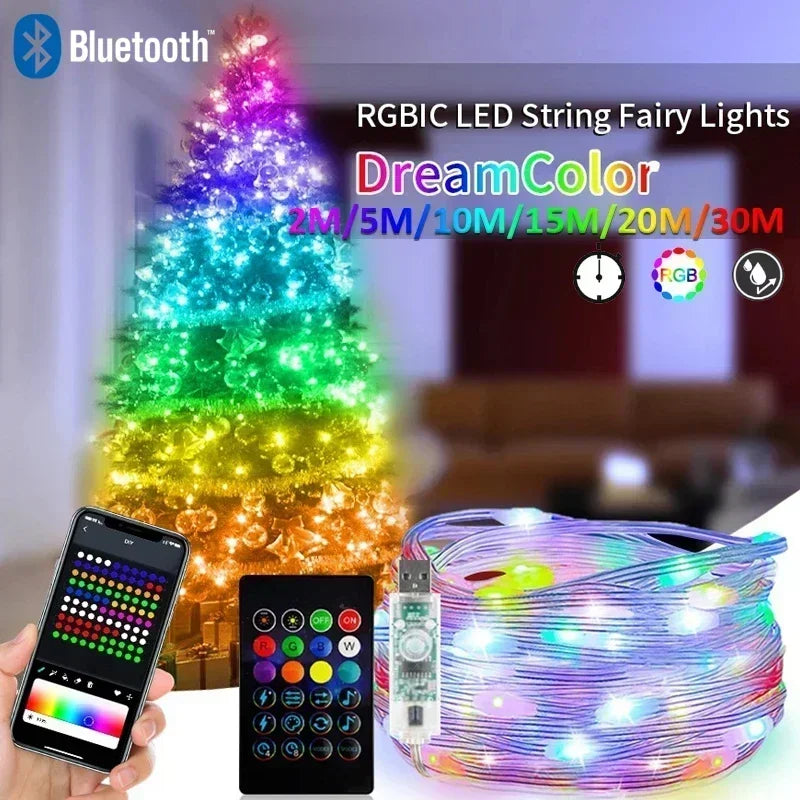
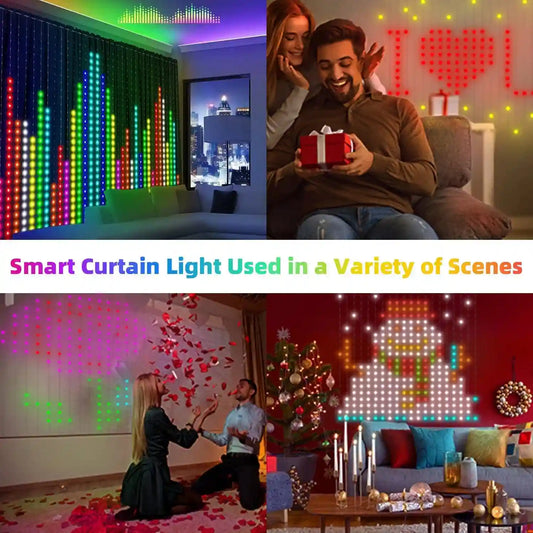
USB RGBIC Smart Christmas Tree Dream Color Music Lights Waterproof LED Fairy Lights
Holiday lights can cause burns, strangulation, electrical shocks, ingestion of small parts, and fires — risks heightened for toddlers and curious pets.
Key injury vectors include:
- Thermal burns from hot bulbs or sockets (particularly incandescent and halogen lights).
- Broken glass and sharp fragments if bulbs shatter.
- Electrical shock from exposed wiring or overloaded circuits.
- Strangulation and entanglement from cords and strings.
- Choking or toxicity if bulbs, bulbs’ coatings, or ornament fragments are ingested.
U.S. Consumer Product Safety Commission guidance emphasizes careful decoration and proper electrical use to prevent fire and injury — especially in homes with young children (CPSC). The CDC also highlights burns and other home injury risks that increase around holiday activities and decorations (CDC).
How to select LED lights: specs, labels, and what to look for
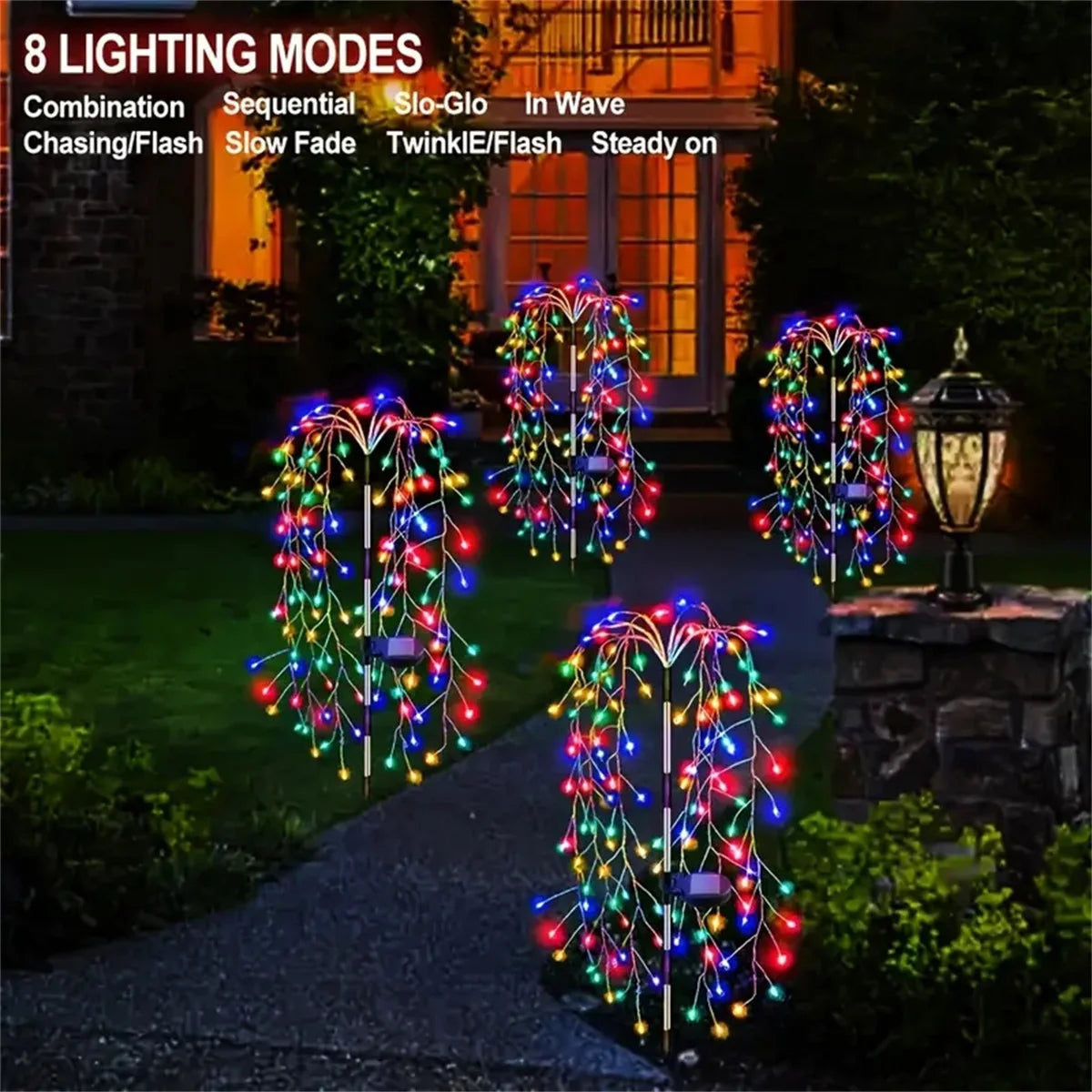
100 LEDs 8 Modes Solar Firecracker Fireworks Garden Lights
Choose UL/ETL-listed, low-surface-temperature, shatterproof-rated LED lights with the right IP rating for outdoor use and clear product specs (wattage, lumens, and maximum string length).
Selection checklist:
- Safety listing: Look for UL, ETL, or CSA certification on packaging and product labels.
- Shatterproof label: Many manufacturers offer “shatterproof” or “polycarbonate lens” models—prefer these for indoor trees and areas accessible to kids/pets.
- Low surface temperature: Seek product literature that describes operating temperature or emphasizes “cool to the touch.”
- IP rating for outdoor use: IP44 or higher for protected outdoor fixtures (splash-resistant and dust-protected).
- Electrical specs: Note wattage per string, voltage, and maximum recommended number of strings per outlet/circuit.
- Power connection type: Battery-powered or plug-in? Battery-operated lights avoid cords but require safe battery compartments; rechargeable packs should be secured away from children and pets.
Metrics and interpretation:
- Lumens: Measure of visible light output—helps you control brightness without increasing heat.
- Wattage: Lower wattage per string generally means less heat and lower circuit load.
- Surface temperature: If listed, prefer LEDs that remain under ~60°C (140°F) under normal use; cooler is better for burn prevention.
Compare common holiday light types (heat, fragility, best use)
Different light types have trade-offs—choose low-heat LEDs and shatterproof builds where children/pets can reach decorations.
| Light Type | Typical Heat Level | Shatterproof Availability | Best Use | Notes |
|---|---|---|---|---|
| LED Mini String | Low | Common | Indoor trees, mantels, garlands | Low energy; choose resin lenses for chew resistance |
| LED C7 / C9 Bulbs | Low to moderate | Available (polymer bulbs) | Rooflines, outdoor displays | Covers available that prevent direct bulb contact |
| Rope Lights | Low | Typically flexible PVC, not glass | Outlines, pathways | Low fragility, but cords may be tempting to pets |
| Incandescent Strings | High | No (glass bulbs) | Legacy displays (not recommended) | Higher burn/fire risk; avoid around kids/pets |
Designing safe layouts: placement, cord management, and childproofing
Plan layouts so cords and lights are out of reach, anchored securely, and separated from play areas; prioritize vertical, elevated, and battery-powered options near the floor.
Practical placement strategies:
- Keep lights at least 6–7 feet above the floor in high-traffic or play areas, or behind barriers (gates, clear plexiglass panels) when low placement is necessary.
- Use cord covers or conduit to run wires along baseboards and avoid trip and chew points.
- Anchor trees and large displays with childproof straps or wall anchors to prevent tipping.
- Avoid low table-top displays if toddlers can pull them down; use recessed or wall-mounted options instead.
Childproofing and pet-proofing tips:
- Cover plugs and extension boxes with tamper-resistant outlet covers.
- Secure loose cords with cable ties and hide them behind furniture or inside conduit.
- Choose shatterproof ornaments and avoid small detachable decorations that could be swallowed.
- Use cord-shorteners or wind excess cord out of reach; never let pets or children access coiled cords (strangulation and chewing hazards).
Electrical safety: load calculations, surge protection, and GFCIs
Prevent electrical fires and shocks by respecting circuit limits, using GFCIs outdoors, and protecting displays with surge suppressors and timers.
Key electrical actions:
- Do not exceed the maximum number of connected strings specified by the manufacturer.
- Use ground-fault circuit interrupters (GFCI) on all outdoor circuits and near damp indoor locations.
- Install surge protectors for expensive plug-in displays and smart controllers.
- Prefer dedicated circuits for large outdoor displays to avoid tripping household breakers.
Simple load calculation (practical example):
- Find wattage per string (e.g., LED string = 8W; incandescent = 40W).
- Sum wattage for all strings on one circuit. A standard 15A household circuit at 120V supports up to 1,800W—keep continuous loads under 80% (1,440W).
- Example: 10 LED strings at 8W = 80W (safe). 10 incandescent strings at 40W = 400W (also safe), but check manufacturer limits for connected strings and heat.
Note: always consult a licensed electrician for complex displays or if unsure about load and grounding.
Maintenance, monitoring, and what to do in emergencies
Regular inspection, secured installation, and a prepared emergency plan reduce harm. Know who to call and how to act if a child or pet swallows or chews lights.
Routine maintenance checklist (weekly while displays are active):
- Inspect bulbs and cords for frays, exposed wiring, discoloration, or melted insulators.
- Replace damaged strings immediately; remove any glass shards or loose parts.
- Check anchors and fasteners; re-secure any sagging sections.
- Test timers, GFCIs, and surge protectors to ensure they function.
Emergency steps if ingestion or electrical injury occurs:
- If a child or pet is injured by electrical shock or burn: disconnect power safely; if you can’t disconnect, call emergency services immediately.
- For ingestion of bulbs/fragments or chemical exposure, call your local poison control: in the U.S. dial 1-800-222-1222 or visit PoisonHelp.org. For pets, contact the ASPCA Animal Poison Control at 1-888-426-4435.
- For severe burns or ongoing breathing difficulty, call emergency services or go to the nearest ER.
- Keep a small first-aid kit and a camera/phone handy to document the item swallowed or the device involved for medical personnel.
🗣️ "We switched our living room lights to shatterproof LEDs and staggered the cords behind furniture—our toddler can still be curious, but we sleep easier knowing there’s less heat and no glass to pick up." — Local parent, community forum
Cost, energy, and durability: comparing LED vs. incandescent for family homes
LEDs typically cost more upfront but pay back through lower energy use, longer life, and fewer replacements—especially valuable where safety and durability matter.
Energy and lifetime comparison (typical figures):
| Metric | Incandescent String | LED String |
|---|---|---|
| Typical Wattage (per 50-bulb string) | ~40W | ~4–8W |
| Relative Energy Use | Baseline (100%) | ~10–20% of incandescent |
| Typical Lifespan | 1,000–2,000 hours | 25,000+ hours |
| Surface Heat | High | Low |
| Shatter Risk | Glass bulbs (high) | Plastic/polymer options (low) |
According to the U.S. Department of Energy, switching to LEDs can significantly reduce energy consumption for lighting while providing comparable or better light quality (energy.gov). For families, less energy use and fewer replacements mean less handling of fragile parts and fewer opportunities for accidents.
Limitations and realistic expectations
LEDs reduce many risks but don’t eliminate all hazards—cords, battery packs, and ornament choking risks still require attentiveness and good layout planning.
What LEDs don’t solve on their own:
- Loose cords and trailing plugs can still cause trips, entanglement, or chewing.
- Battery packs and power adapters can contain small parts or batteries that are hazardous if opened.
- Improperly rated outdoor LEDs still risk water ingress and electrical faults if not installed correctly.
Actionable mitigation despite limitations:
- Combine shatterproof LEDs with cord management, outlet covers, and anchored décor.
- Keep small detachable decorations out of reach and supervise battery compartments.
- When in doubt about wiring or outdoor loads, hire a licensed electrician to inspect or install.
Quick buying & setup checklist for busy parents and pet owners
Use this compact checklist to buy and install safe holiday lights quickly and with confidence.
- Buy UL/ETL-listed, shatterproof LEDs with an IP rating if outdoors.
- Plan layout to keep cords out of reach; anchor trees and large items.
- Use timers, GFCIs, and surge protectors; avoid overloading circuits.
- Inspect weekly; remove or replace damaged items immediately.
- Store fragile or small ornaments away from children and pets.
FAQs
Are LED lights safe if my pet chews them?
LEDs produce less heat and often come in more durable housings, but chewing can still damage wiring, expose conductors, and create shock or ingestion hazards. If your pet chews a cord, unplug it immediately and inspect for injury. Replace chewed cords and use cord covers or deterrents. For urgent pet exposures, contact ASPCA Animal Poison Control (1-888-426-4435).
Can I use indoor-only LED lights outside if they’re under an awning?
No—indoor-only lights are not sealed against moisture and can fail when exposed to humidity, rain, or dew. Use lights rated for outdoor use (check IP rating) for any outdoor installation, including sheltered areas.
What’s the safest way to light a child’s bedroom at night during the holidays?
Use battery-powered LED string lights with a secured battery pack out of reach, or mount wall sconces and plug them into tamper-resistant outlets. Keep cords hidden behind furniture and avoid placing lights within reach of cribs or play areas.
How often should I inspect holiday lights during the season?
Perform a visual inspection weekly: look for damaged cords, loose bulbs, discoloration, or warm spots. Test GFCIs/timers at the start of the season and after any storm or heavy use.
Is it worth spending more for “commercial-grade” LED décor?
Commercial-grade lights often offer higher ingress protection, thicker wiring, and more robust mounting hardware. For large outdoor displays or high-traffic areas, the higher upfront cost can be justified by durability and lower maintenance—especially where safety matters.
Who should I call if a child swallows part of a decoration?
In the U.S., call Poison Control at 1-800-222-1222 immediately for guidance. If a child is choking or having severe symptoms (difficulty breathing, unconsciousness), call emergency services right away.
Keeping holiday lighting safe for kids and pets requires intentional product choice, careful layout, and consistent maintenance. Prioritize low-heat, shatterproof LEDs, manage cords and anchors, and have a clear emergency plan. With those steps you gain seasonal sparkle without unnecessary risk.
Sources: U.S. Consumer Product Safety Commission CPSC Holiday Decorating Safety; U.S. Department of Energy LED Lighting Basics; CDC burn prevention resources CDC Burns.
Related Articles:
- The Complete Christmas Lights Buying Guide
- Which Christmas Lights Are Best?
- When Is the Best Time to Hang Christmas Lights?
- How to Choose and Use Christmas Light Clips?
- Fairy Lights: Guide to Creating Magical Spaces
- Solar String Lights: Everything You Need to Know
- How to Store Holiday Decorations Quickly and Efficiently














 />
/>
 />
/>
 />
/>
 />
/>
 />
/>