

Secure and Weatherproof Your Outdoor Holiday Lights: Theft Prevention, Fastening Methods, and Damage-Proofing
Table of Contents
- Why secure and weatherproof outdoor holiday lights?
- Assess vulnerability: theft, weather, and electrical risks
- Theft-prevention strategies for outdoor holiday lights
- Fastening methods: clips, hooks, adhesives, and anchors
- Weatherproof cables, connections, and plug points
- Preventing damage from wind, snow, ice, and animals
- Installation checklist and maintenance schedule
- Tools, costs, and product recommendations
- Limitations, metrics for success, and when to hire a pro
- Frequently asked questions (FAQ)
Why secure and weatherproof outdoor holiday lights?

Securing and weatherproofing holiday lights reduces theft, fire risk, and weather-related damage while protecting your investment and neighborhood safety. Proper methods cut replacement costs and liability after storms or theft.
Outdoor holiday lighting is a seasonal tradition—but poorly installed or unprotected displays are vulnerable. The U.S. Consumer Product Safety Commission (CPSC) and emergency agencies emphasize that water, wind, and improper electrical connections cause many decoration-related incidents each year (CPSC Holiday Safety). Climate volatility also increases storm frequency and intensity, making weatherproofing a smart, long-term investment (NOAA Climate Resources).
Assess vulnerability: theft, weather, and electrical risks
Identify the primary risks to your lights—property theft, wind and precipitation damage, and electrical faults—to target defenses effectively.
Before you install, walk your property as an assessor. Document these variables:
- Visibility from street and neighbors (higher visibility increases theft risk but can deter thieves when monitored).
- Exposure to prevailing winds and open sky (rooflines, eaves, and exposed gutters are wind hotspots).
- Drainage and runoff paths (sockets, timers, and plugs near downspouts or splash zones need protection).
- Animal interference points—branches or mad raccoons that might snag lines.
Collecting this simple data helps you choose theft-prevention layers and the right hardware and weatherproofing level (for example, IP44 vs IP65 ratings for fixtures).
Theft-prevention strategies for outdoor holiday lights
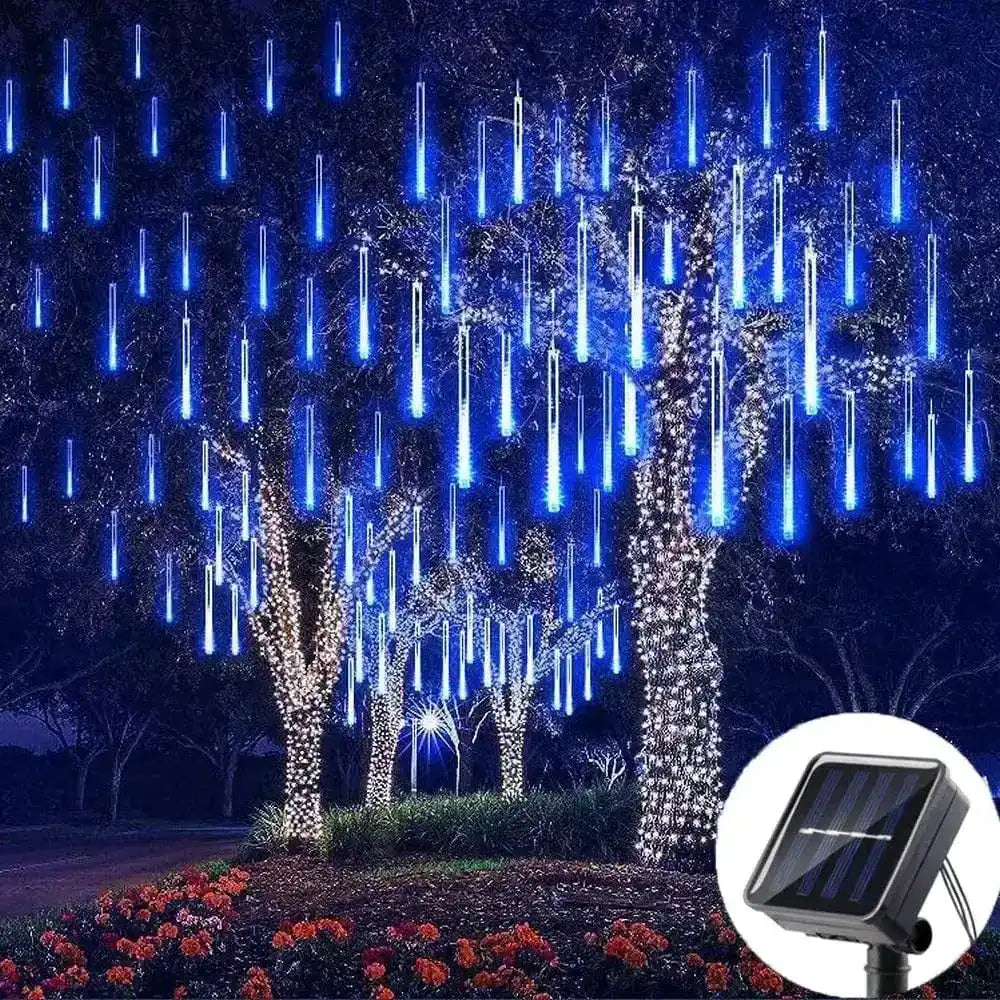
Use layered deterrence—visibility, anchoring, identification, surveillance, and neighborhood coordination—to reduce theft chances dramatically.
Theft is mostly opportunistic: quick grab-and-go actions at night. Use both passive and active measures.
Passive deterrents
- Anchor lights with tamper-resistant fasteners (see fastening section below).
- Use hard-to-grab mounting points (screw-in hooks or gutter clips that conceal the wire).
- Keep displays visible from a neighbor’s window or a well-lit street to increase perceived risk for thieves.
Active measures
- Camera + smart lighting: low-cost wired or battery cameras with motion alerts deter and record theft. Consider a sign indicating property surveillance.
- Timers and randomized schedules make displays less predictable and reduce unattended value windows.
- Mark and register: label plugs and major components with a discreet serial code; photograph installations for police reports if theft occurs.
🔒 "We lost a strand two years ago and after switching to screw-in hooks and a doorbell cam, we've had zero problems—neighbors noticed the difference." — Local homeowner
If theft is common in your area, contact your local police non-emergency line for advice about neighborhood watch programs and crime patterns. FBI and local law enforcement property crime data can indicate risk trends (FBI Uniform Crime Reporting).
Fastening methods: clips, hooks, adhesives, and anchors
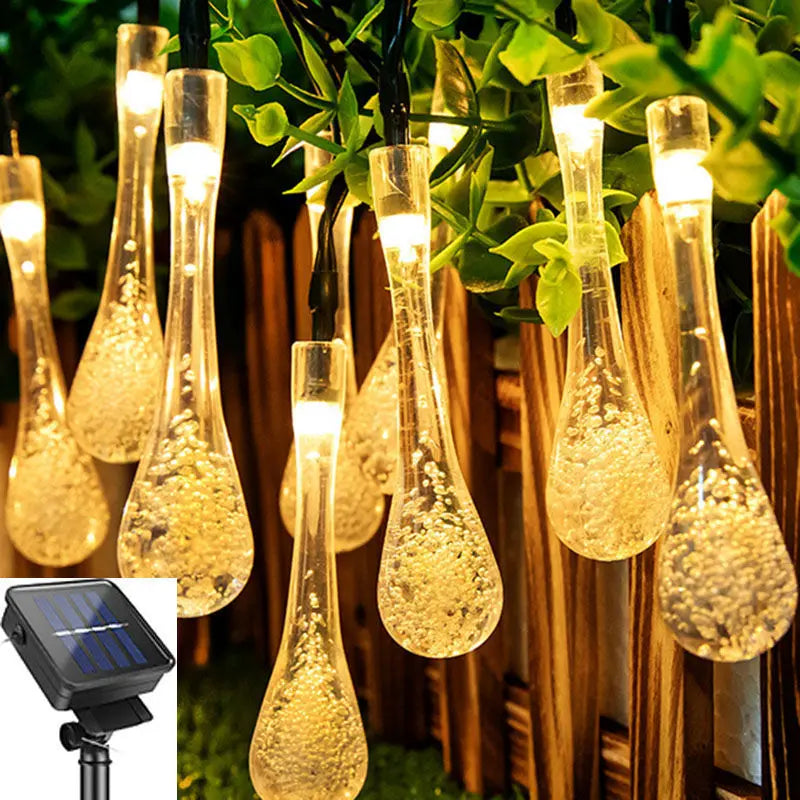
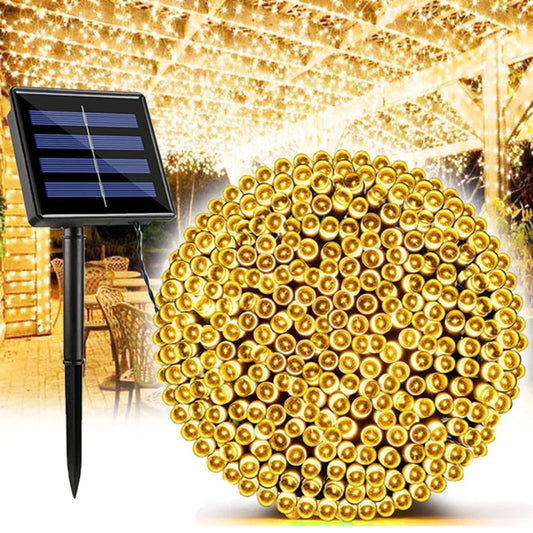
Water droplets Solar Outdoor String Lights, Waterproof For Christmas Decoration
Choose fastening based on surface type (shingles, metal gutters, brick, siding) and exposure. Use graded options from temporary clips to permanent screw-in anchors.
Match fasteners to substrate and expected loads (wind plus ice). Below is a comparison table of common fastening methods.
| Method | Best for | Pros | Cons | Typical cost |
|---|---|---|---|---|
| Plastic roof/gutter clips | Shingles, gutters | Quick install; no tools; inexpensive | Less secure in high wind; UV degradation | $5–$15 per pack |
| Screw-in cup hooks / screw hooks | Wood fascia, beams | Very secure; holds weight/wind | Requires drill; minor permanent hole | $6–$12 per pack |
| Adhesive-backed hooks (exterior rated) | Clean siding, painted surfaces | No drilling; removable | Less durable in freeze/thaw; limited load | $8–$20 per pack |
| Magnetic clips | Metal gutters/roofs | Fast, no permanent changes | Not usable on non-metal surfaces; can shift in wind | $10–$30 per pack |
| Zip ties + eye hooks | Temporary uses, poles, tree branches | Flexible, cheap | UV ties can become brittle; moderate security | $5–$15 |
Practical fastening tips
- Always use exterior- or UV-rated materials to prevent degradation.
- Avoid nailing through shingle material—use clips that slide under shingles to keep integrity.
- For high-wind areas, prefer mechanical anchors (screw hooks or lag screws) over adhesives.
- Consider tamper-resistant fasteners or short-sheet metal screws in gutters to complicate quick removal.
Weatherproof cables, connections, and plug points
Protect connections—the most failure-prone components—using outdoor-rated products, sealed junctions, and GFCI protection.
Most holiday wiring failures happen at the plug, extension-cord junctions, or where the light string meets the fixture. Use these steps:
- Buy outdoor-rated lights and cords: look for “Outdoor” or “UL Listed for outdoor use.”
- Use GFCI protection: plug lights into a ground-fault circuit interrupter (GFCI) outlet or outdoor-grade GFCI extension cord to reduce shock/fire risk.
- Weatherproof connections: seal plugs and splices with weatherproof enclosures or use waterproof covers and silicone dielectric grease on exposed terminals.
- Employ IP-rated fixtures: IP44 is the minimum for general outdoor lighting; IP65+ for areas exposed to direct spray or severe weather.
Quick materials and tools:
- Outdoor-rated extension cords and outlet covers
- Silicone sealant (100% silicone, exterior-rated)
- Heat-shrink tubing + adhesive-lined shrink for splices
- Weatherproof junction boxes and in-use covers
For general electrical safety and recommendations, consult consumer safety resources—e.g., CPSC guidance on holiday electrical safety (CPSC).
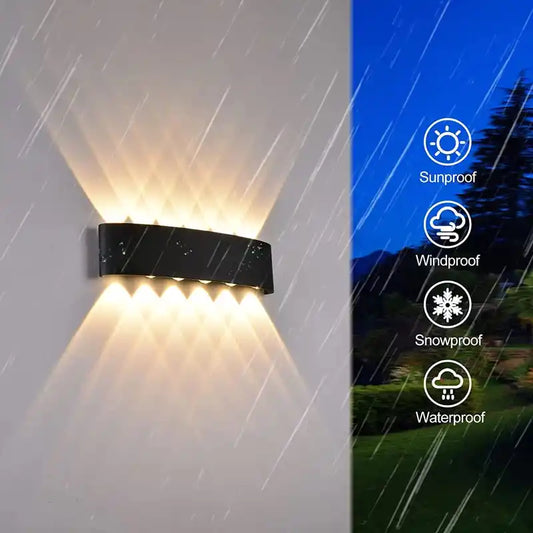
🔌 Don't let the elements dim your holiday spirit. Lumaz lights are built with superior weatherproofing for reliable, brilliant displays.
Preventing damage from wind, snow, ice, and animals
Strengthen mounts, reduce loose length, and adapt materials to your local weather and wildlife for resilient displays.
Address each hazard with specific tactics:
Wind
- Use stronger anchors (screw hooks, lag bolts) and minimize slack in lines so wind doesn't act like a sail.
- Add supporting points every 2–3 feet on long runs.
Snow and ice
- Install light strings with a slight upward angle near gutters so melting snow sheds without pooling around connections.
- Choose LEDs—they generate less heat so melting/refreeze cycles have less impact on bulbs and wiring.
Animals
- Use cord protectors or conduit near ground-level runs; elevated lines are less likely to be chewed.
- Apply taste deterrents (animal-safe) if rodents are a problem; keep food sources reduced nearby.
Installation checklist and maintenance schedule
Use a simple pre-install checklist and a short maintenance routine to catch issues fast and extend life of your display.
Follow this quick checklist before powering on lights:
- Inspect strings for frayed cords, cracked bulbs, or compromised insulation.
- Confirm all products are rated for outdoor use (labels: “Outdoor”, “UL”, or appropriate IP rating).
- Mount securely using chosen fasteners; avoid over-tightening which can crush wiring.
- Seal connections, plug into a GFCI outlet, and hide/secure cords to prevent trip hazards.
- Label circuit/timers so you can quickly shut off power in an emergency.
Maintenance schedule (recommended):
- Weekly quick visual check during the season: lights on, no sagging, no exposed wires.
- After storms: inspect anchors and connections; tighten/replace as needed.
- End of season: remove decorations, inspect components, clean, and store in dry, labeled containers.
Tools, costs, and product recommendations
A compact kit of quality, outdoor-rated tools and materials is a cost-effective investment compared to repeated replacements or repairs.
Essential tools and materials:
- Drill and appropriate bits, screw hooks/lag screws
- Exterior-rated clips and magnetic hooks (if applicable)
- Weatherproof outlet covers and GFCI extension cord
- Silicone sealant, heat-shrink tubing, electrical tape (exterior rated)
- Battery or plug-in security camera (motion detection)
Budget estimate (per home):
- Basic fastening kit + extension cords: $30–$70
- Higher-grade anchors + weatherproofing materials: $70–$150
- Camera + smart lighting integration: $100–$300
Product selection tips:
- Buy LED strings with outdoor rating and replaceable bulbs when possible.
- Prefer thicker-gauge cords (lower AWG number) for long runs to reduce voltage drop and overheating.
- Check manufacturer specs for IP ratings and UL listing to ensure outdoor suitability.
Limitations, metrics for success, and when to hire a pro
Know what DIY can achieve and when structural, electrical, or safety complexity requires a licensed contractor or electrician.
Limitations of DIY:
- Complex roof work or electrical rewiring should be handled by licensed professionals.
- High wind zones and roofs requiring ladders beyond homeowner safety comfort may need pros with harnesses and insurance.
Metrics to track year-to-year:
- Incident count: thefts, electrical trips, or weather damage events per season.
- Repair/replacement costs compared to prevention investment.
- Downtime days (how often displays are out for repairs during the season).
Hire a professional if you need:
- Hardwiring or new outdoor outlets installed (requires electrical permit or licensed electrician).
- Roof work in high, steep, or slippery conditions.
- Structural attachments that may affect siding, gutters, or roof warranty.
For broader home safety and hazard mitigation planning, FEMA resources and local extension services can guide risk reduction strategies (FEMA, University Extension).
Frequently asked questions (FAQ)
Q1: Are LED holiday lights more weatherproof than incandescent?
A1: Generally yes. LEDs produce less heat, draw less current, and often come in better-sealed housings. They also last longer, reducing replacement frequency. Still verify the product’s outdoor rating and IP number.
Q2: Can I use indoor extension cords outside if I keep them dry?
A2: No. Indoor cords lack weatherproof insulation and UV resistance. Use cords labeled for outdoor use and plug into a GFCI-protected outlet to reduce shock and fire risk.
Q3: How do I mark my lights to make them recoverable if stolen?
A3: Mark them with discreet, permanent serial codes (engraver or heavy-duty label), photograph the installation, and keep purchase receipts. Register expensive decor with local police asset databases if available.
Q4: What IP rating should I look for in outdoor lights?
A4: Minimum IP44 for general outdoor exposure; IP65+ for direct spray, heavy rain, or areas with ice/snow buildup. Manufacturer documentation will list the rating.
Q5: Will adhesive hooks damage my siding?
A5: High-quality outdoor adhesive hooks are designed to be removable, but adhesion can vary. Test a small, unobtrusive area first and follow removal instructions to minimize paint or finish damage.
Q6: How early should I install decorations in high-crime areas?
A6: Install closer to desired display dates and coordinate with neighbors on visibility and watchful presence. Avoid long periods of unattended, high-value displays.
Related Articles:
- The Complete Christmas Lights Buying Guide
- String Lights: Guide to Brightening Your Space
- Fairy Lights: Guide to Creating Magical Spaces
- How to Hang Icicle Lights: Perfect Installation Tips and Tricks
- When Is the Best Time to Hang Christmas Lights?
- Christmas Light Color Choosing Guide
- How to Store Holiday Decorations Quickly and Efficiently














 />
/>
 />
/>
 />
/>
 />
/>
 />
/>