

How to Choose the Perfect Pendant Light for Your Bedroom in 2026
Table of Contents
- 1. Why Pendant Lighting Is a Game-Changer for Bedrooms
- 2. 2026 Pendant Light Trends for Bedroom Design
- 3. Understanding Pendant Light Types
- 4. How to Select the Right Size Pendant for Your Bedroom
- 5. Ideal Placement Ideas for Bedroom Pendant Lighting
- 6. Choosing the Right Hanging Height
- 7. Style Matching: Blending Pendant Lights with Bedroom Decor
- 8. Light Output and Bulb Selection
- 9. Installation Considerations and Professional Tips
- 10. Energy Efficiency and Sustainability
- 11. Real Homeowner Reviews and Common Mistakes to Avoid
- 12. Budgeting for the Right Pendant Light
- 13. FAQs: Bedroom Pendant Lighting in 2026
- 14. Final Thoughts: Elevate Your Bedroom Design with the Right Pendant
1. Why Pendant Lighting Is a Game-Changer for Bedrooms
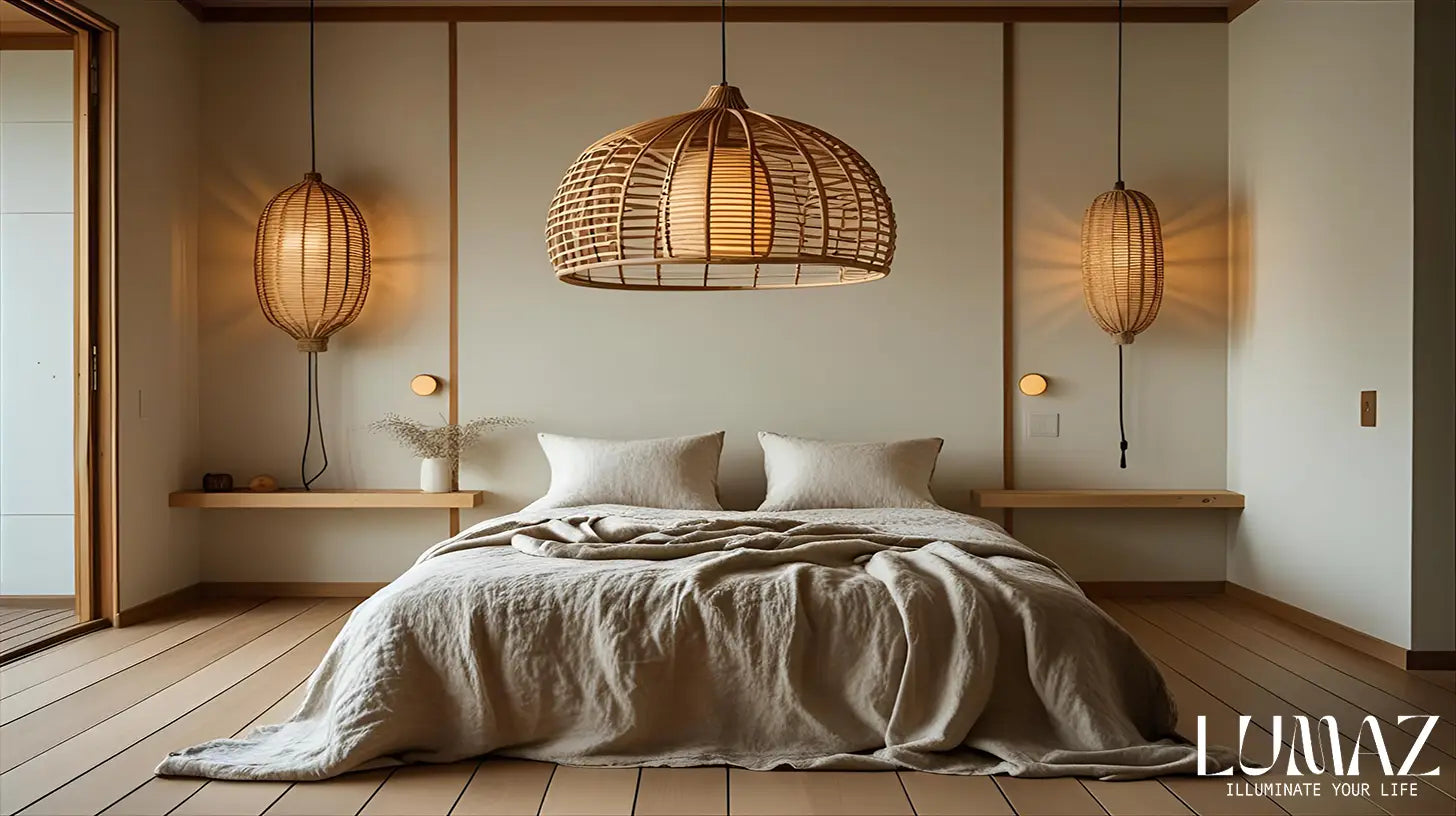
Pendant lights have evolved far beyond functional fixtures—they’re now pivotal elements in creating bedroom ambiance. According to Decorilla’s “20 Lighting Trends 2026,” atmospheric illumination that adapts to mood and activity is rising in popularity. Pendants not only save space over bedside tables but can also serve as sculptural focal points, elevating minimalist or maximalist styles alike. As homeowner Anna K. from Reddit’s r/HomeDecor put it:
“Once I swapped table lamps for slim pendants, my nightstand felt uncluttered—and the light was actually more soothing.”
This user feedback highlights how pendant lighting enhances both function and form, making it a wise design investment.
2. 2026 Pendant Light Trends for Bedroom Design
What’s trending in 2026? Here’s a snapshot of popular styles transforming pendant lighting:
- Natural materials & warm finishes: Rattan, wood, and soft metals like brass and bronze remain on-trend .
- Smart integration: Voice control, app-based dimming, and energy-saving schedules are becoming mainstream—especially with LED Smart pendant options .
- Organic, sculptural shapes: Free-form curves or fluid forms deliver soft elegance and serve as decorative statements.
These emerging trends reflect a desire for lighting that is both stylish and personal, setting the tone for a customized bedroom experience.
3. Understanding Pendant Light Types
Choosing the right pendant starts with knowing your options:
| Type | Description | Ideal Use |
|---|---|---|
| Single pendant | One central feature | Ideal over nightstands or bed center |
| Multi-light pendant | Cluster or linear group | Great over desk or reading nook |
| Mini pendants | Compact, delicate | Flanking bed or small desks |
| Plug-in vs hardwired | Hardwired is sleek; plug-in offers flexibility | Rental-friendly vs permanent installation |
Each type offers distinct advantages in terms of style, scale, and flexibility. User Claire M. on Houzz writes:
“I went plug-in mini pendants by my bed—no electrician needed, and I can move them as I redecorate.”
This peer insight underscores the advantage of flexible solutions for evolving interiors.
4. How to Select the Right Size Pendant for Your Bedroom
Pendant proportions are crucial to balance and comfort:
- For small bedrooms (<120 ft²), choose pendants 12–15 inches in diameter.
- Larger rooms (200 ft²+) might suit diameters of 18–24 inches without overwhelming the space.
- Adjust width based on furniture: pendants should be ½–⅔ the width of the nightstand or bed.
Designers recommend hanging pendants so their bottom is roughly 28–32 inches above the mattress surface—low enough for reading but clear of sight lines—ensuring both effectiveness and elegance.
5. Ideal Placement Ideas for Bedroom Pendant Lighting
Strategic placement transforms aesthetics and function. Consider:
- Above nightstands: Eliminates clutter and improves reading light.
- Centered over the bed: Acts both as task lighting and design statement.
- Over reading nooks or desks: Targeted brightness and design focus.
In a Reddit thread, homeowner Sam shared:
“Moved my pendant over a desktop corner… perfect for late-night design work—it’s focused yet blends with the decor.”
This shows how location and beam direction significantly impact usability and harmony in bedroom spaces.
6. Choosing the Right Hanging Height
Correct hanging height ensures style and comfort. Here’s a guide:
- Standard ceiling (8 ft): Bottom of pendant should be about 5 to 5½ ft from the floor.
- High ceilings (>9 ft): Use adjustable rods or cords to maintain proportion.
- Above dresser/vanity: 28–34 inches above surface allows proper lighting without glare.
Always ensure no part of the fixture hangs lower than eye level when standing. Adjustable pendants—some offering up to 60 in of cord—let you fine-tune height for both design balance and practicality.
7. Style Matching: Blending Pendant Lights with Bedroom Decor
The key to choosing a pendant light that feels intentional is harmonizing it with your bedroom's style and palette. Consider the following combinations:
| Bedroom Style | Suggested Pendant Material | Finish Options |
|---|---|---|
| Modern | Glass, matte metal | Black, chrome, brushed nickel |
| Boho | Rattan, woven fibers | Bronze, gold, terracotta |
| Minimalist | Frosted glass, acrylic | White, clear, matte black |
| Industrial | Exposed bulbs, metals | Aged brass, iron, steel |
To further streamline your space, coordinate your pendant's metal tone with curtain rods, cabinet handles, or mirror frames. Designer Lindsay Brooke, in a feature with LivingEtc, explains:
“A pendant that feels out of place can disrupt the energy of the room—cohesion matters more than contrast in sleep spaces.”
Matching materials and finishes creates a polished, restful vibe essential for bedrooms.
8. Light Output and Bulb Selection
It’s not just about the look—the type of light your pendant emits dramatically affects sleep and comfort. Consider:
- Brightness (Lumens): For bedside pendants, aim for 400–800 lumens per fixture.
- Color Temperature (Kelvin): Choose 2700K to 3000K for a cozy, warm glow.
- CRI (Color Rendering Index): A CRI of 80+ ensures true-to-life color, especially important in dressing areas.
Smart Bulbs & Dimming Options:
Use smart bulbs like Philips Hue or LIFX for voice control and schedule-based lighting. A Home Depot buyer noted:
“The Hue bulbs in my pendant adjust with the time of day—cool in the morning, warm at night. I sleep better now.”
These solutions allow you to personalize lighting mood without altering the fixture itself.
9. Installation Considerations and Professional Tips
While many pendant lights offer plug-in simplicity, others require hardwired installation. Here’s what to know:
- DIY Plug-in Pendants: No electrical experience needed; best for renters or light refreshes.
- Hardwired Pendants: More permanent and elegant, but require an electrician and possibly a junction box.
- Ceiling Support: Make sure your ceiling can support the weight—some heavier pendants require joist anchors.
Safety Note: Always confirm wattage compatibility and UL certification to prevent overheating or dimmer issues.
Installer Insight: “The biggest issue I see is people skipping junction boxes. For anything above 5 pounds, you need proper support—or risk a fall,” says Miguel T., Master Electrician via ContractorTalk forum.
10. Energy Efficiency and Sustainability
In 2026, energy-efficient lighting is no longer optional—it’s expected. Luckily, most pendant lights now support LED integration.
Key Features to Look For:
- ENERGY STAR® or DLC-certified bulbs
- LED-compatible sockets or integrated LEDs
- Low-VOC, recyclable, or natural materials
According to the U.S. Department of Energy, switching to LEDs can reduce energy costs by up to 75%, with bulbs lasting 10–20 years (energy.gov).
Sustainable pendant lights made from bamboo, recycled metal, or organic textiles are growing in popularity on platforms like Etsy and West Elm. These options blend eco-consciousness with artisanal style.
11. Real Homeowner Reviews and Common Mistakes to Avoid
Let’s explore real feedback from users and forums to highlight key lessons:
Common Mistakes:
- Choosing too large a fixture for a small room
- Installing lights too high or low
- Using the wrong bulb type or color temperature
Reddit user ‘ModularGnome’ says:
“My pendant looked amazing… until I realized it cast harsh shadows. Swapped out the bulb for a diffused 2700K LED and problem solved.”
Homeowner Success Story:
Amanda from Denver shared on Houzz:
“We used two slim brass pendants above our nightstands. They’re both stylish and space-saving. Honestly, they made the room feel like a boutique hotel.”
These stories provide practical insights from real people—not just designers—making them especially valuable when planning your purchase.
12. Budgeting for the Right Pendant Light
Pendant lighting ranges widely in cost based on materials, brand, and features. Here’s a breakdown:
| Fixture Type | Price Range (USD) |
|---|---|
| Basic plug-in pendant | $30–$75 |
| Mid-range designer | $80–$250 |
| High-end luxury | $300–$1000+ |
Additional Costs to Consider:
- Installation (if hardwired): $100–$300
- Smart bulb upgrade: $15–$60 per bulb
- Dimming system: $50–$150 per switch
For those on a budget, many retailers like IKEA, Wayfair, and Lumens offer stylish and functional pendants under $100. However, remember that quality in finish and wiring often increases with price.
13. FAQs: Bedroom Pendant Lighting in 2026
Q1. Are pendant lights safe to use above the bed?
Yes—if installed correctly at a safe height and anchored securely. Use UL-certified fixtures and ensure hanging hardware supports the fixture’s weight.
Q2. What is the best height to hang pendant lights over nightstands?
The bottom of the pendant should be 28 to 32 inches above the nightstand surface, and around 60–65 inches from the floor in standard-height rooms.
Q3. Can I install pendant lights without rewiring my room?
Absolutely. Plug-in pendant lights are renter-friendly, do not require rewiring, and can be easily moved or replaced.
Q4. How many lumens should I aim for in a bedroom pendant light?
For ambiance: 400–600 lumens. For task lighting (e.g., reading): 800–1000 lumens. Adjustable lighting or dimmers provide optimal flexibility.
Q5. Do I need an electrician to install pendant lighting?
For hardwired fixtures, yes—especially if you’re adding a new ceiling junction box. For plug-in pendants, no electrician is needed.
Q6. Are there smart pendant lights that integrate with Alexa or Google Home?
Yes. Many pendant-compatible smart bulbs work with voice assistants and apps, such as Philips Hue, LIFX, and Sengled.
14. Final Thoughts: Elevate Your Bedroom Design with the Right Pendant
Choosing the perfect pendant light for your bedroom in 2026 means balancing form and function, embracing energy-conscious design, and reflecting your unique style personality. From understanding light output to mastering placement and style compatibility, every decision contributes to a serene, elegant space.
With new trends in organic materials, smart technology, and sculptural design, pendant lighting is no longer just an accessory—it’s a cornerstone of thoughtful interior design. Whether you opt for a plug-in pendant for flexibility or commission a hardwired masterpiece, let it align with your sleep habits, space layout, and lifestyle needs.
As interior stylist Emily Henderson once noted:
“Lighting is the jewelry of a room—it should sparkle, elevate, and above all, fit the mood you want to live in.”
In 2026, a pendant light isn’t just an object—it’s an experience. Choose wisely, and let your lighting design speak volumes even when the room is quiet.
Further Reading
Explore the full guide for this topic: Bedroom Lights: The Complete Guide to Choosing the Right Lighting for Every Bedroom
Related Articles
- How to Choose Bedroom Lights Based on Room Layout
- Floor Lamps vs. Ceiling Lights for Bedroom: Which is Better?
- Table Lamps vs. Wall Sconces for Bedroom Lighting: Which is Better?
- Warm White LED Lights vs. Cool White LED Lights for Bedroom
- Dimmable Bedroom Lights vs. Non-Dimmable Lights: Benefits and Drawbacks
- Recessed Lighting vs. Pendant Lighting: Which Is Better for Bedrooms?














 />
/>
 />
/>
 />
/>
 />
/>
 />
/>