

Bedroom Lighting Installation & Maintenance Guide: Placement, Wiring, and Troubleshooting
Table of Contents
- Introduction: Why Proper Bedroom Lighting Installation Matters
- Understanding Bedroom Electrical Basics Before Installation
- Placement Rules for Bedroom Lighting Fixtures
- Wiring Options for Bedroom Lights: What Works and Why
- Installing Common Bedroom Light Types: Key Technical Considerations
- Switches, Dimmers, and Controls: Compatibility and Setup
- Common Bedroom Lighting Problems and How to Fix Them
- Maintenance Tips to Keep Bedroom Lights Safe and Reliable
- Safety Standards and Building Code Considerations
- DIY vs Professional Installation: Knowing When to Get Help
- Upgrading Existing Bedroom Lighting Without Rewiring
- Troubleshooting Checklist: Diagnosing Bedroom Lighting Issues Step by Step
- FAQs About Bedroom Lighting Installation and Maintenance
- Conclusion: Building a Safe and Reliable Bedroom Lighting Setup
Introduction: Why Proper Bedroom Lighting Installation Matters
Bedroom lighting works best when it is installed to be safe, reliable, and serviceable—not just “bright enough.” A solid installation reduces nuisance issues (flicker, buzzing, random outages) and lowers the risk of overheating, arcing, and premature driver failure.
This guide focuses on execution: placement rules, wiring choices, compatibility checks, and troubleshooting workflows. For safety planning before any DIY work, reference the U.S. Consumer Product Safety Commission’s electrical safety guidance: cpsc.gov/safety-education/safety-guides/home/electrical-safety.
Understanding Bedroom Electrical Basics Before Installation
Before you touch wiring, you need a working mental model of circuits, loads, and switching paths. This section gives practical “enough to be safe” electrical basics so you can choose the right wiring method and avoid common failure modes.
Voltage, current, and power (the only math you really need)
Most U.S. bedroom lighting is on 120 V circuits. A quick load estimate uses Watts = Volts × Amps. If a bedroom lighting load is 240 W on 120 V, that’s roughly 2 A. Lighting is often a small share of circuit capacity, but problems come from bad connections, incompatible controls, and heat trapped in fixtures.
Circuits, breakers, and what “20 A vs 15 A” changes
- 15 A circuits commonly use 14 AWG copper; 20 A circuits commonly use 12 AWG copper.
- Do not “mix and match” wire size to breaker rating; the breaker must protect the wire.
- If you’re extending a circuit, match the existing conductor size and follow local code requirements.
Switch loops and neutral conductors
Many lighting problems stem from assumptions about what wires exist in a switch box. Modern best practice is to have a neutral in most switch locations, especially for smart dimmers and sensors. Older wiring may have a switch loop where only a hot feed and switched hot are present, with no neutral in the box.
Connections matter more than fixtures
Loose terminations can arc under load, create heat, and cause intermittent failures that look like “bad LEDs.” Use properly sized connectors, avoid overfilling boxes, and ensure grounding is continuous. When in doubt, stop and involve a licensed electrician.
For examples of common home wiring hazards and warning signs, reference the CPSC guide: cpsc.gov/s3fs-public/518.pdf.
Placement Rules for Bedroom Lighting Fixtures
Good placement is measurable: clearance, coverage, glare control, and accessibility for maintenance. The goal is predictable light where you need it, without unsafe proximity to combustibles or annoying hotspots.
Start with tasks, then choose mounting points
- General light: ceiling fixture or multiple recessed/flush points for even coverage.
- Reading light: wall-mounted at the headboard zone or ceiling points placed to avoid casting shadows across the page.
- Path/night light: low-level fixture placement that avoids shining directly into bed.
Clearance and heat: where “looks fine” can become a hazard
Follow the fixture’s installation instructions for minimum clearances from insulation and combustible surfaces. For older recessed housings, confirm whether the can is rated for insulation contact; if it isn’t, keeping insulation off the housing is a safety requirement, not a preference.
Glare and the bed sightline
In bedrooms, glare is usually the most complained-about “problem” after flicker. Avoid placing bright downlights where the lamp or LED source is visible from a lying position. Use baffles, deeper trims, or indirect placements when the bed’s sightline intersects the beam.
Practical heights and reach
Wall-mounted reading lights generally work best when the light source is roughly at shoulder-to-head height while seated, and switches are reachable without leaning across the bed.
Wiring Options for Bedroom Lights: What Works and Why
The “best” wiring method depends on control needs, existing wiring, and how much wall/ceiling work you can realistically do. Use this section to pick a wiring path that matches your bedroom layout and future upgrade plans.
Common wiring patterns and when they fit
| Wiring/Control Pattern | Best For | Strengths | Common Limitations |
|---|---|---|---|
| Single-pole switch (one location) | Simple ceiling/closet light control | Lowest complexity, easiest to troubleshoot | Not convenient if you need control from bed + door |
| 3-way switching (two locations) | Door + bedside control of main light | Convenient; standard, code-familiar topology | More conductors; retrofit may require new cable |
| 4-way switching (three+ locations) | Large rooms with multiple entries | Scales to multiple switch points | More junction points; higher chance of miswiring |
| Switched receptacle (half-hot outlet) | Floor lamps as “main light” | No ceiling work; flexible lamp replacement | Requires correct tab break; can confuse later owners |
| Plug-in fixtures (cord-and-plug) | Rentals, minimal disruption upgrades | Fast, reversible, no electrical permit scope | Cord management; limited control integration |
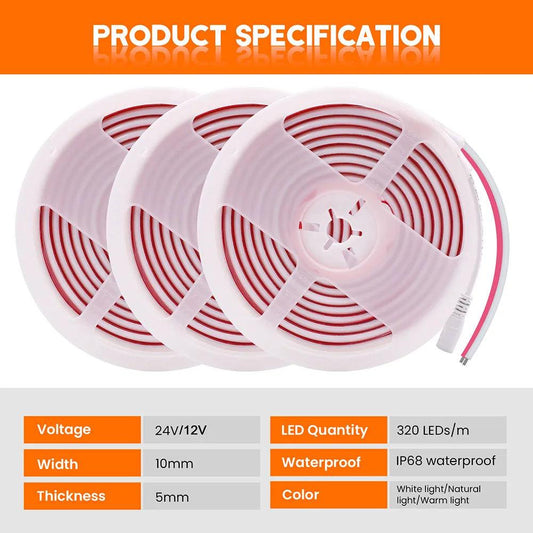
| Low-voltage system (driver + low-voltage runs) | Closet strips, toe-kick paths, headboard accent layers | Small fixtures, flexible placement, safer touch voltage | Driver sizing, voltage drop, access for servicing |
Hardwired vs plug-in vs battery: a decision shortcut
If you’re choosing between installation categories (not just switch topology), use the rule: hardwired for permanence and clean control, plug-in for speed and flexibility, battery only for low-demand, occasional-use zones.
Neutral availability and future-proofing
If you expect to add occupancy sensors or smart dimmers later, prioritize wiring approaches that leave a neutral in the switch box. It is one of the most common “why won’t my smart switch work?” blockers in older bedrooms.
Installing Common Bedroom Light Types: Key Technical Considerations
Different fixture types fail in different ways because they manage heat, mounting stress, and wiring access differently. Match installation technique to the fixture’s thermal and mechanical requirements to avoid recurring problems.
Flush-mount and semi-flush ceiling fixtures
- Box support: confirm the ceiling box is rated for the fixture weight.
- Heat path: don’t trap drivers in insulation or against vapor barriers unless rated.
- Strain relief: protect conductors from sharp edges; use proper bushings/knockout fittings.
Pendants and chandeliers (yes, in bedrooms too)
These add mechanical load and swing forces. Use a fan-rated or fixture-rated box where required, and verify the canopy fully covers the box opening. If you’re using a dimmer, confirm the driver or lamp is dimmable and the dimmer is rated for that load type.
Wall sconces and bedside reading lights
Wall work typically means dealing with studs, fire blocks, and cable routing. Plan a serviceable junction point and verify the mounting bracket sits flat. If the fixture has an integrated driver, keep it accessible for replacement; “buried driver” installs are a common regret.
Recessed lights and canless wafers
Recessed installations are mostly about heat and space. Maintain required clearances, avoid pinching cables, and ensure junction boxes remain accessible per code. Canless wafer lights can be great for retrofit ceilings, but treat the junction box as a service component: it must stay reachable.
Low-voltage accent lighting
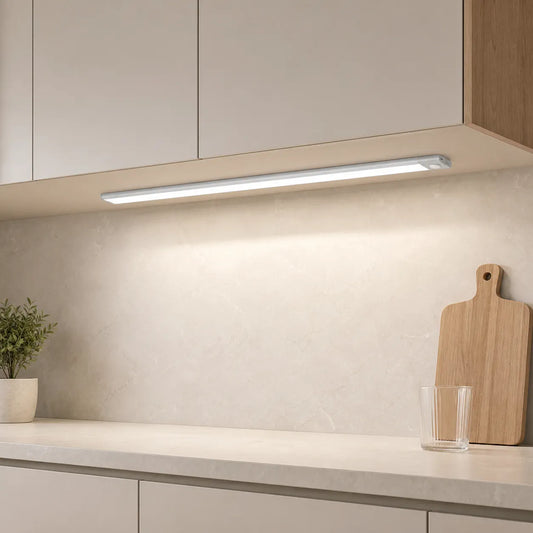
Bedrooms often benefit from low-glare accent layers (headboard washes, toe-kick paths, closet accents). Size drivers correctly, keep them accessible for service, and avoid hiding junctions behind finished surfaces.
Switches, Dimmers, and Controls: Compatibility and Setup
Most post-install complaints are control-related: flicker, buzz, dropouts, or “works only at full brightness.” Compatibility between the lamp/driver and the control device is the first thing to validate.
LED dimming: match the dimmer to the load type
Many LED fixtures require an LED-rated dimmer and may specify forward-phase (triac) or reverse-phase (ELV) dimming. A dimmer that is “incandescent-only” can cause shimmer, dead travel (no change for half the slider), or audible noise.
Reference guidance on LED dimming and compatibility from the U.S. Department of Energy: energy.gov/energysaver/led-lighting.
Minimum load and multi-gang derating
- Minimum load: some dimmers need a minimum wattage to regulate properly; under-loading can cause dropouts or flicker.
- Derating: dimmers installed in multi-gang boxes often require reduced maximum load because of heat buildup.
- Box fill: more devices and splices increase heat and crowding, raising failure risk over time.
3-way setups: choose a compatible control scheme
Not all smart dimmers support traditional 3-way wiring with “dumb” companion switches. Follow the manufacturer’s wiring diagram exactly; many require a specific companion accessory or a particular line/load placement.
🧠 Lumaz note: If a bedroom light “works” but feels unstable—flickers at low dim, hums, or drops out—treat it as a compatibility issue first, not a defective fixture. The fastest fix is usually the correct dimmer/load pairing, not rewiring the whole room.
Common Bedroom Lighting Problems and How to Fix Them
Troubleshooting works best when you separate symptoms (what you observe) from causes (what’s happening electrically). This section maps high-search problems to the most likely, verifiable fixes.
Flicker (constant, intermittent, or only when dimmed)
- Only when dimmed: mismatched dimmer type, dimmer minimum-load issue, incompatible LED driver.
- Intermittent at full brightness: loose neutral, failing driver, overheated LED module, or a bad connection in a wirenut/push-in connector.
- Across multiple fixtures: shared circuit voltage fluctuations, overloaded shared neutral, or upstream connection issue.
Buzzing or humming
Buzz often comes from a dimmer (especially triac) interacting with a driver, or from magnetic components (older transformers). Try a known compatible dimmer or switch to a driver designed for the control method. Also confirm the fixture is firmly mounted; vibration can amplify otherwise minor electrical noise.
Light won’t turn on (but the switch has power)
- Verify the lamp/fixture is functional by testing on a known-good circuit (for plug-in) or swapping a known-good bulb.
- Check line/load placement on the switch (especially smart devices).
- Inspect splices for loose conductors; tug-test each conductor under the connector with power off.
- Confirm any required neutral is present and correctly connected.
Random shutoffs or “comes back later” behavior
Thermal protection in drivers can cause self-resetting shutoffs. Causes include insulation trapping heat, a driver stuffed into a tight space, or a fixture used outside its rated environment. Fix the heat problem; don’t just replace parts.
Occasional breaker trips
If the breaker trips immediately when the light turns on, suspect a short (miswire, damaged insulation, pinched cable). If it trips after some time, suspect overheating, a failing driver, or a marginal connection. If an AFCI breaker is involved, nuisance trips can also point to arcing behavior from poor terminations—take that seriously.
💬 “I kept swapping ‘bad bulbs’ for months. The real issue was one loose neutral splice in the ceiling box—once it was re-terminated properly, the flicker and random shutoffs were gone.”
Maintenance Tips to Keep Bedroom Lights Safe and Reliable
Maintenance is how you prevent small electrical issues from turning into failures. Simple, periodic checks catch heat damage, loosening connections, and driver wear before they become flicker, odor, or outages.
Quarterly quick checks (5 minutes)
- Listen for new buzzing during dimming and at full brightness.
- Notice new flicker patterns (especially when HVAC cycles on).
- Check that fixtures haven’t loosened or developed vibration.
- Confirm switches aren’t warm to the touch during normal use.
Annual safety checks (power off where required)
- Remove fixture covers and clean dust that traps heat (follow fixture instructions).
- Inspect for discoloration, brittle insulation, or melted wire jackets near drivers.
- Check that junction box covers are present and secure where applicable.
- Replace lamps in pairs/sets when color shift becomes noticeable in multi-lamp fixtures.
When “maintenance” becomes “replacement”
Replace components when you see repeated driver resets, persistent flicker after compatibility checks, or visible heat damage. For integrated LED fixtures, a driver replacement may not be practical; plan for fixture replacement and choose a model with accessible service parts next time.
Safety Standards and Building Code Considerations
Codes and standards exist to reduce shock and fire risk, and they often dictate what’s allowed behind your walls and ceilings. Treat this section as a safety framework—not legal advice—and default to local requirements and professional guidance for anything uncertain.
Listings and ratings you should not ignore
- UL/ETL listing: indicates the product was evaluated to a safety standard.
- IC rating: for recessed housings in contact with insulation (when applicable).
- Damp/wet rating: relevant if the bedroom includes an en-suite with humidity migration.
- Box ratings: ceiling boxes must be rated for fixture weight; fan-rated boxes for ceiling fans.
For a quick explanation of what UL “Listed/Classified/Certified” marks mean in building-code contexts, see: ul.com/thecodeauthority/knowledge/faq-enhanced-and-smart-ul-certification-mark.
Accessibility rules: junction boxes and drivers
A common DIY mistake is burying junctions or drivers behind drywall. Many jurisdictions require junction boxes to remain accessible. Plan your installation so future servicing doesn’t require demolition.
Why electrical fires are a real bedroom risk
Bedrooms combine long usage hours (lamps), soft goods (bedding), and often older branch wiring in existing homes. For a broader perspective on how electrical issues contribute to fire risk, see the U.S. Fire Administration’s electrical fire safety resources: usfa.fema.gov/prevention/home-fires/prevent-fires/electrical-fires.
Permits and inspections
If your work involves new circuits, moving junctions, or altering structural elements, it often crosses into permitted work. Even when permits aren’t strictly required, an inspection mindset (proper box fill, correct protection, accessible junctions) improves safety and resale clarity.
DIY vs Professional Installation: Knowing When to Get Help
DIY is reasonable when the work stays within simple swaps and clearly understood wiring. Professional help is the safer choice when your project changes circuit topology, involves unknown wiring conditions, or requires working in confined structural spaces.
DIY-friendly scenarios
- Replacing a like-for-like fixture on an existing, accessible box (same general type and load).
- Swapping a standard switch for another standard switch when wiring is clearly identified.
- Installing plug-in lighting and managing cords safely (strain relief, no pinch points).
Situations that justify a licensed electrician
- Adding new ceiling boxes, new circuits, or converting single-pole to multi-way switching.
- Signs of heat damage, aluminum branch wiring, brittle insulation, or repeated breaker trips.
- Any uncertainty about grounding, neutral identification, or junction accessibility rules.
A practical risk rule
If your plan requires guessing what a wire does, stop. Electrical work should be verifiable: you should be able to identify line, load, neutral, and ground with a safe process and the right tools. If you can’t, the job is “professional” by definition.
Upgrading Existing Bedroom Lighting Without Rewiring
You can improve bedroom lighting quality dramatically without opening walls by focusing on controls, layering, and fixture swaps that reuse existing boxes. This section covers practical upgrades that keep disruption low.
Upgrade the control first
- Replace incompatible dimmers with LED-rated models matched to your fixture/driver.
- Add a bedside-friendly control path using plug-in remotes or smart bulbs where appropriate.
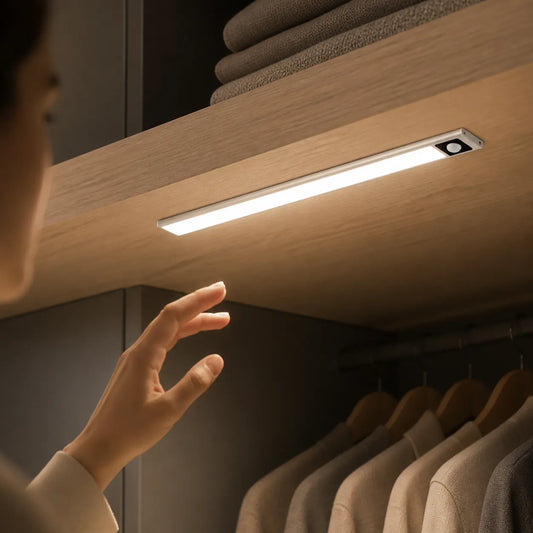
- Use occupancy or vacancy sensors for closets, not the main sleep zone.
Layer light using plug-in and low-voltage additions
Adding a low-glare layer (headboard wash, toe-kick path, closet accent) can reduce reliance on a single harsh overhead fixture. For plug-in add-ons, keep cords out of pinch points and walking paths; the CPSC home electrical safety checklist is a practical reference: cpsc.gov/safety-education/safety-guides/electronics-and-electrical-home/home-electrical-safety-checklist.
Swap fixtures strategically
Choose fixtures with accessible drivers and standard mounting where possible. Integrated LED fixtures can be clean and efficient, but if a driver fails, the whole fixture may become a replacement item. In bedrooms, long-term serviceability is often worth a slightly “less sleek” design.
Smart upgrades without complexity creep
Smart lighting can help (schedules, gentle wake routines), but bedrooms punish unreliable systems. Favor setups with a manual fallback that works during Wi‑Fi outages.
Upgrading your bedroom lighting without rewiring can be as simple as swapping out fixtures and adding smart controls that enhance convenience without the hassle of major changes. The USB-powered RGBIC Smart Corner Floor Lamp is a perfect example, offering music sync and dimmable LED features that create an immersive mood, all while being easily plug-and-play, with a manual fallback in case of Wi-Fi outages.

Troubleshooting Checklist: Diagnosing Bedroom Lighting Issues Step by Step
A good checklist prevents random part-swapping and helps you isolate wiring faults, control incompatibility, and fixture failures efficiently. Follow this sequence to move from safest/cheapest checks to the more invasive ones.
Step 1: Classify the symptom precisely
- Does the issue happen only when dimmed, or also at full brightness?
- Is it one fixture or multiple fixtures on the same circuit?
- Is it time-related (after 10–30 minutes), temperature-related, or random?
Step 2: Remove variables you can control
- Set dimmer to full brightness and observe stability.
- Try a known-good lamp (same base/type) if applicable.
- For plug-in lights, test the fixture in a different outlet on a different circuit.
Step 3: Validate control compatibility
- Confirm the lamp/fixture is labeled dimmable if using a dimmer.
- Confirm the dimmer is LED-rated and correct for the driver type (forward-phase vs reverse-phase when specified).
- Check minimum load and derating rules; multi-gang heat can reduce allowable load.
Step 4: Check for heat and environmental causes
- Look for tight insulation contact where not rated.
- Ensure drivers/junction boxes are not buried or packed in insulation.
- Inspect for discoloration or odor after operation (power off before opening anything).
Step 5: Inspect connections (power off)
With power safely off, verify that splices are secure, conductors are fully seated, and grounds are continuous. Loose neutrals are a repeat offender for flicker and intermittent behavior.
Step 6: Escalate intelligently
If you see heat damage, repeated breaker trips, or uncertain wiring identification, escalate to a professional. The goal is not to “prove you can DIY,” it’s to restore a safe, stable system.
FAQs About Bedroom Lighting Installation and Maintenance
These FAQs address edge cases and real-world questions that often come up after installation, during upgrades, or when troubleshooting is inconclusive.
Why does my LED bedroom light flicker only at night?
Night-only flicker can point to load changes elsewhere in the home (HVAC, fridge, exterior lighting) causing small voltage shifts that some drivers handle poorly. First verify dimmer compatibility; if it persists at full brightness, suspect a neutral connection issue or a sensitive driver.
Can I put a dimmer on a 3-way bedroom switch setup?
Often yes, but only if the dimmer supports your 3-way topology and you follow the manufacturer’s wiring diagram. Many smart dimmers require a companion switch or specify which box must contain the dimmer (line side vs load side).
What’s the safest way to add bedside lighting in a rental?
Use plug-in lighting with cord management that avoids pinch points and walking paths, or low-voltage adhesive systems that don’t require opening electrical boxes. Avoid “semi-permanent” hacks like running cords under rugs or through doorways where they can be damaged.
My dimmer is warm—how warm is too warm?
Some warmth is normal, especially under higher loads, but a dimmer that is hot to the touch, smells, or discolors the wall plate is not normal. Reduce load, check derating requirements for multi-gang boxes, and replace with a properly rated device.
Do integrated LED fixtures mean I’ll replace the whole light when it fails?
Sometimes. Some integrated fixtures have replaceable drivers or LED boards, but many are effectively “replace the fixture” when a core component fails. If long-term serviceability matters, prioritize fixtures that document replacement parts and keep drivers accessible.
How do I know if a problem is the fixture or the wiring?
If the issue follows the fixture when tested on a known-good circuit (plug-in) or after swapping a known-good lamp, it’s likely the fixture/driver. If multiple fixtures on the same circuit show symptoms, or if the symptom changes with other loads turning on, wiring or upstream connections become more likely.
Conclusion: Building a Safe and Reliable Bedroom Lighting Setup
A bedroom lighting setup doesn’t need to be complex to be excellent—it needs to be correctly placed, correctly controlled, and correctly connected. When you treat wiring integrity, compatibility, and service access as first-class requirements, you get lighting that stays quiet, stable, and safe for years.
Use this guide as your execution checklist: choose a wiring pattern that matches your control needs, prioritize compatible switches/dimmers, and troubleshoot with a structured process instead of guesswork. The result is a bedroom lighting system that supports rest, routine, and reliability—without surprises.
After considering all the factors mentioned, you can explore more product options and detailed buying guides on our Indoor Lighting Hub Page to find the best solution for your needs.
Additional Guides in This Topic
- Why Are My Bedroom Lights Flickering?
- Common Bedroom Lighting Installation Mistakes
- Bedroom Lighting Safety Standards: Wattage, Heat, and Electrical Considerations























 />
/>
 />
/>
 />
/>
 />
/>
 />
/>