

How to choose the right LED lighting for every room in your home
Table of Contents
- How LED lighting differs from other bulbs
- Key metrics to evaluate LED performance
- Room-by-room lumen, color, and fixture recommendations
- Choosing fixtures and LED lamp types
- Dimming, smart controls, and circadian-friendly features
- Energy, cost, lifespan: make the numbers work
- Installation and retrofit practical steps
- Common pitfalls, limitations, and when to consult a professional
- Tools, verification, and metrics for success
- Quick selection checklist before you buy
- FAQs
How LED lighting differs from other bulbs
LEDs convert electricity to light more efficiently and last far longer than incandescent or CFL bulbs. They offer precise color control, low heat output, and rapid on/off response—key advantages when choosing lighting for each room.
LED (light-emitting diode) technology delivers higher lumens per watt, lower running costs, and greater design flexibility. According to the U.S. Department of Energy, LEDs use at least 75% less energy and last 25 times longer than incandescent lighting in many cases (Energy.gov — LED lighting).
Key metrics to evaluate LED performance
Understand lumens, CCT, CRI, efficacy, flicker, and beam angle—these specs determine appearance, comfort, and task performance.
- Lumens: Measure of light output. Higher lumens = brighter light.
- Correlated Color Temperature (CCT): Measured in Kelvins (K). Warm (2700–3000K), neutral (3500–4000K), cool (5000K+).
- Color Rendering Index (CRI): 0–100 scale showing how faithfully colors appear. Aim for CRI ≥90 for art, kitchens, and bathrooms; CRI ≥80 is acceptable for general rooms.
- Efficacy: Lumens per watt (lm/W). Higher numbers mean more light for less energy.
- Flicker and PWM: Low-flicker drivers and correct dimming reduce eye strain. Look for flicker ratings or percent flicker data when available.
- Beam angle and distribution: Narrow beams (15–40°) for accent; wide beams (90–120°) for general illumination.
When shopping, compare lumens (not watts) and check for an ENERGY STAR label or manufacturer test data. DOE guidance and test methods are helpful for verifying claims (Energy.gov — LED basics).
Room-by-room lumen, color, and fixture recommendations
Match lumen targets, CCT, and fixture type to room function: task areas need brighter, higher-CRI options; lounge spaces benefit from warmer, dimmable light.
Living room
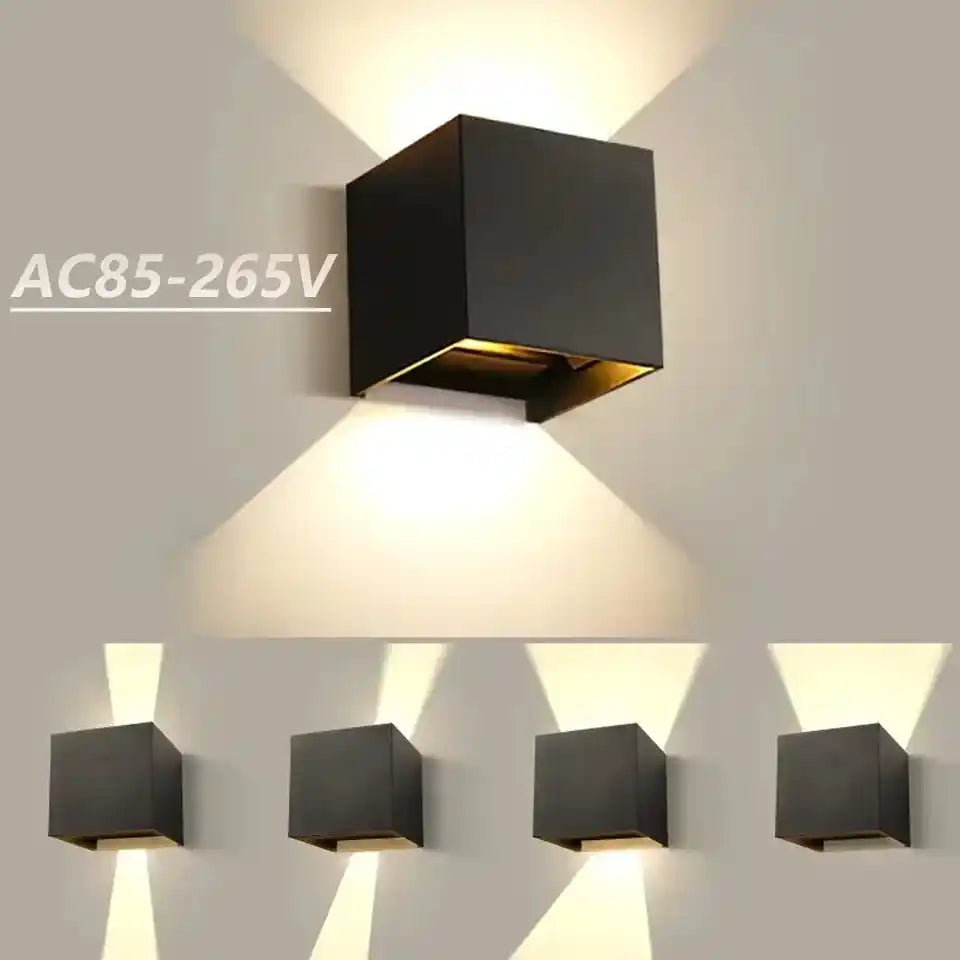
6W LED Living Room Wall Lights With Adjustable Surface
Use layered lighting—ambient, task, and accent—to balance comfort and function; aim for 100–300 lux general lighting and higher where reading or hobbies occur.
- General: 1,500–3,000 lumens total (distributed through recessed lights or ceiling fixtures).
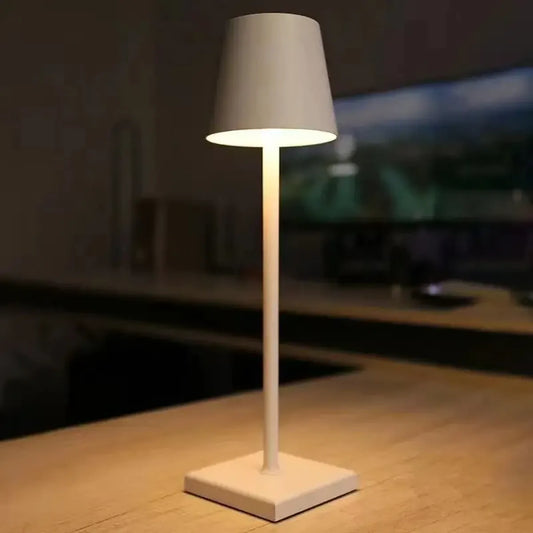
- Task: Floor/table lamps with 1,000–1,500 lumens for reading.
- CCT: 2700–3000K for a warm, inviting feel.
Kitchen
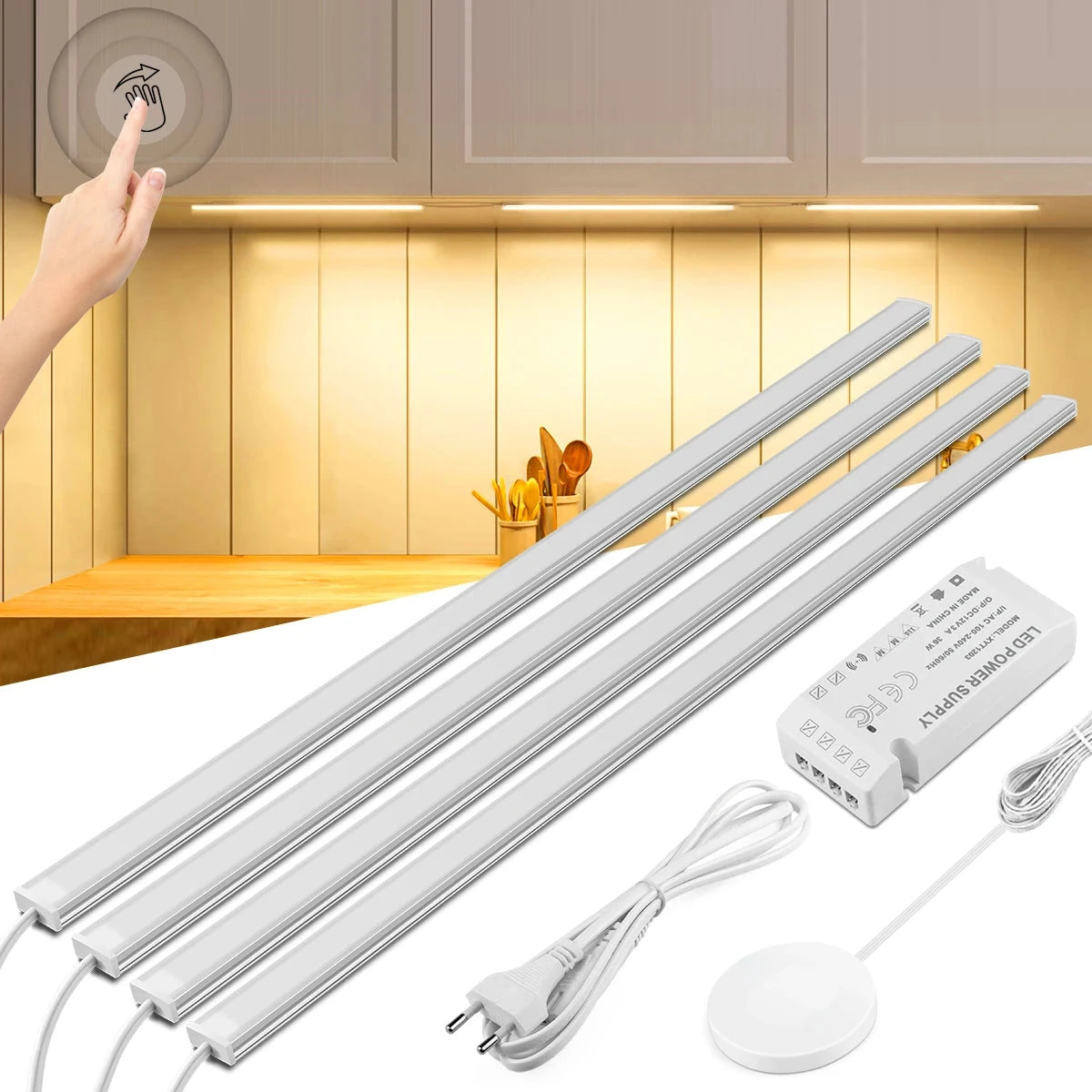
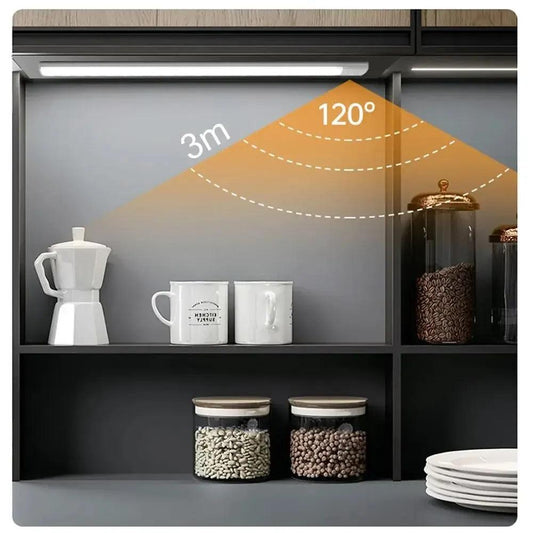
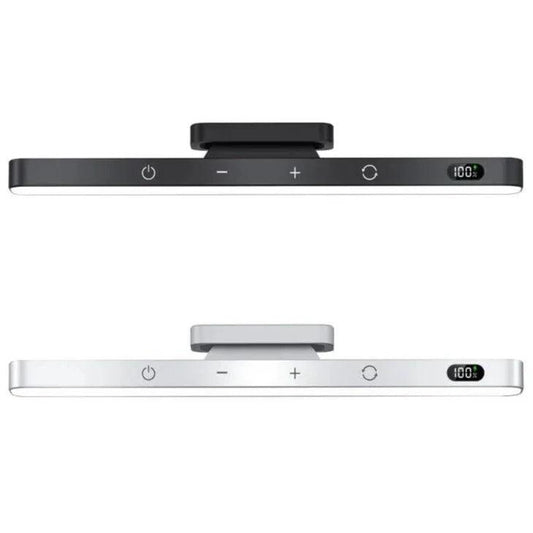
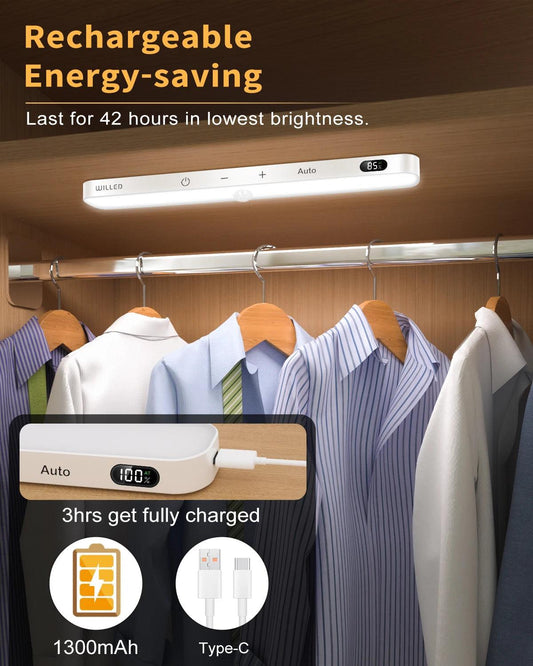
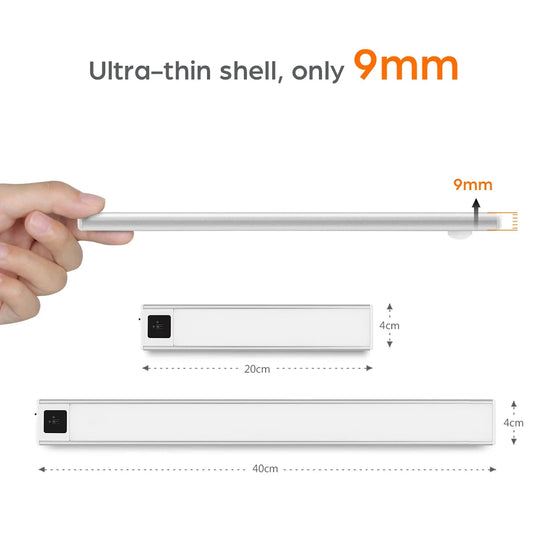
Ultra-thin Touch Sensor Under Cabinet LED Light Bar for Kitchen Wardrobe Lighting
Kitchens need bright task lighting for counters and island surfaces and higher CRI for accurate food prep colors.
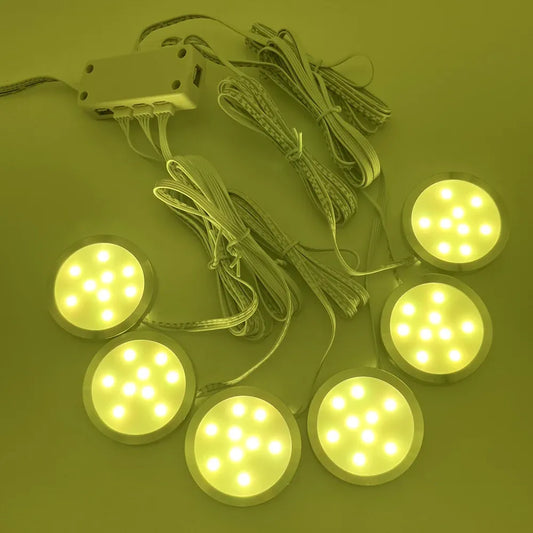
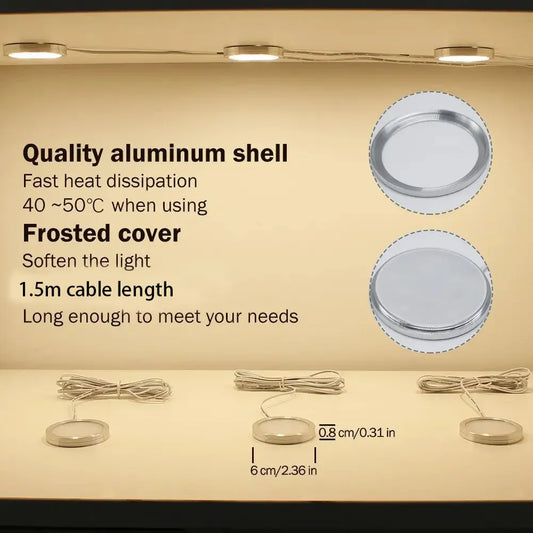
- Task: 300–500 lux at countertops—under-cabinet LED strips or puck lights are ideal.
- Ambient: 3,000–5,000 lumens overall depending on kitchen size.
- CCT & CRI: 3000–4000K and CRI ≥90 for true color rendering.
Bedroom
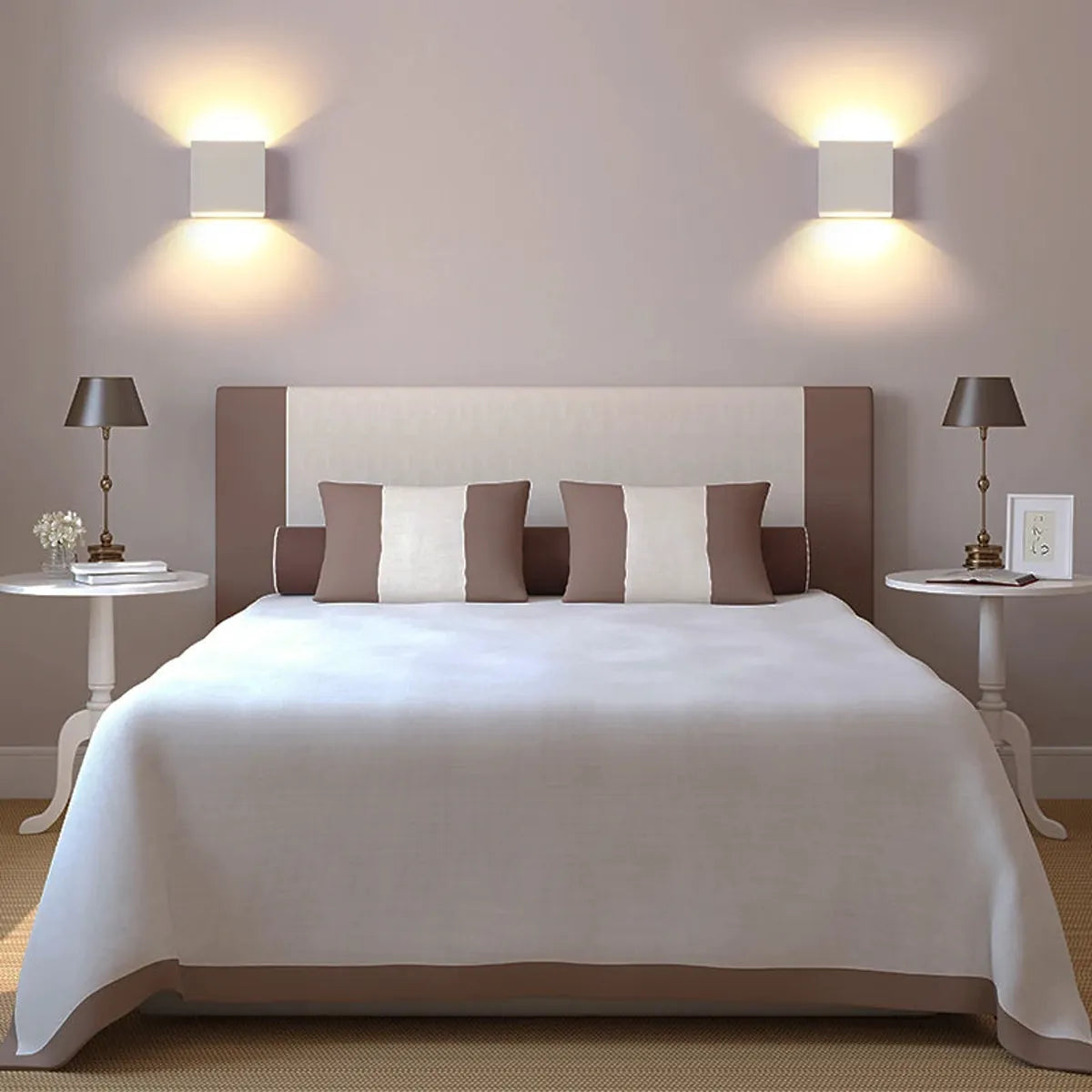
6W Modern Indoor Wall Lamp Up Down Wall Mount Lights for Living Room Bedroom
Bedrooms should prioritize comfort and circadian-friendly color temperature—warm and dimmable at night.
- General: 1,000–2,000 lumens total; bedside lamps 400–800 lumens each.
- CCT: 2700K or feature tunable white to shift cooler in the morning, warmer at night.
- Tip: Avoid 5000K+ at night to limit blue light exposure that can disrupt sleep (Harvard Health research on blue light and sleep).
Bathroom
Bathrooms require bright, even light for grooming tasks; minimize shadows at the face.
- Vanity: 300–500 lux; use side-mounted fixtures or wide, diffused sconces.
- CCT & CRI: 3000K–4000K and CRI ≥90 for accurate make-up and shaving.
Home office and study
Task-oriented spaces need high illuminance, low glare, and good color fidelity for productivity.
- Desk: 300–500 lux; directional task lamp with adjustable beam and CRI ≥90 recommended.
- CCT: 3500–5000K to support alertness during work hours.
Outdoor and landscape
Outdoor lighting must balance safety, neighbor impact, and energy use; select weather-rated fixtures and appropriate beam control.
- Path lighting: low glare, 100–200 lumens per fixture.
- Security: bright, motion-activated fixtures with 800+ lumens where needed.
- Color temp: 2700–4000K depending on aesthetic and wildlife considerations.
💬 "Swapping to layered LEDs transformed our kitchen—better color, no heat, and the under-cabinet strips made prep safer." — Homeowner review
Choosing fixtures and LED lamp types
Pick form factors and beam patterns that suit the room and retrofit needs—bulbs, integrated fixtures, strips, downlights, and track systems each solve different problems.
- Replacement bulbs (A19, BR30, GU10): Best for quick retrofits in existing fixtures.
- Integrated LED fixtures: Higher efficiency and slimmer profiles but replace entire fixture when end-of-life approaches.
- LED strips: Flexible, low-profile for under-cabinet and cove lighting; consider IP rating for damp locations.
- Smart bulbs and modules: Allow tunable white and color controls; check platform compatibility (Zigbee, Wi‑Fi, Bluetooth).
When replacing recessed cans, measure aperture, check IC-rating (insulation contact), and confirm trim/driver compatibility. For outdoor fixtures, choose IP65+ rated products.
Dimming, smart controls, and circadian-friendly features
Modern controls let you tailor light intensity and spectrum for activities and time of day—important for comfort, energy savings, and sleep health.
- Choose dimmable LED lamps and match to compatible dimmer switches (look for LED-specific dimmers).
- Use tunable white (CCT adjustable) or RGBW smart systems to shift color temperature: cooler in morning, warmer in evening.
- Incorporate occupancy sensors, timers, and daylight harvesting to reduce run-hours and save energy.
Note: Not all LED drivers are dimmer-compatible. Check manufacturer dimming curves or compatibility lists to avoid flicker or buzzing.
Energy, cost, lifespan: make the numbers work
Compare LEDs, CFLs, and incandescents using lumens, watts, expected life, and total cost of ownership to justify upgrades.
| Bulb Type | Typical Lumens | Watt Equivalent | Watts | Rated Life | Notes |
|---|---|---|---|---|---|
| Incandescent | 800 lm | 60W | 60 W | 1,000 hrs | Poor efficiency, high heat |
| CFL | 800 lm | 60W | 13–18 W | 6,000–10,000 hrs | Contains mercury, slower startup |
| LED | 800 lm | 60W | 8–12 W | 15,000–50,000+ hrs | Highest efficiency, instant-on |
Example ROI: Replacing a 60W incandescent (3 hrs/day) with an 10W LED saves roughly 50 W per hour, ~55 kWh per year, and reduces energy costs—plus fewer replacements. See ENERGY STAR and DOE resources for typical savings calculations (Energy.gov).
💡 Smart lighting means smart savings. With Lumaz LEDs, you get superior energy efficiency, lower bills, and a lifespan that makes the math work brilliantly for you.
Installation and retrofit practical steps
Plan measurements, compatibility checks, and a safe installation sequence to avoid surprises—measure first, then buy fixtures and controls.
- Measure room area and desired lux or lumen targets; use online calculators or a handheld lux meter.
- List existing fixtures and note lamp bases (E26, GU10, MR16), box depth, and insulation contact requirements.
- Check dimmer and transformer compatibility; replace incompatible dimmers with LED-rated models.
- For integrated fixtures, confirm driver location, ventilation, and replaceability.
- Hire an electrician for new circuits, can relocations, or exterior work—permit may be required locally.
Tools to have: tape measure, ladder, non-contact voltage tester, screwdriver, and a lux meter app or handheld meter for verification.
Common pitfalls, limitations, and when to consult a professional
Be aware of dimming incompatibilities, poor color quality, flicker, heat management, and outdoor sealing—these issues often cause disappointment.
- Poor CRI or low-quality drivers yield flat-looking skin tones and art—choose CRI ≥80 (ideally ≥90) for critical areas.
- Unmatched beam angles or Kelvin temps across fixtures create inconsistent lighting; plan and buy same-product batches.
- Cheap LEDs can flicker or fail early—check warranty (3–5 years typical) and independent photometric data.
- Outdoor LED fixtures can attract insects and disturb wildlife; prefer warmer 2700–3000K and shielded optics.
When to call a pro: rewiring, new recessed layouts, large-scale retrofits, or when integrating with whole-home automation platforms.
Tools, verification, and metrics for success
Use simple metrics and verification steps to ensure your lighting meets design goals and energy targets.
- Measure lux at task surfaces before and after installation to confirm targets.
- Track energy usage or run-hours to calculate payback using utility rates and hours of use.
- Inspect for flicker, buzzing, or color mismatch; return or replace non-performing units promptly.
For evidence-based standards and guidance, consult the Department of Energy for technical reports and product performance specifications, and Harvard Health for light’s effects on sleep and circadian rhythms (DOE LED basics, Harvard Health — Blue light).
Quick selection checklist before you buy
A concise checklist helps avoid common mistakes and ensures you buy the right LED product for each room.
- Confirm required lumens for the room or task.
- Decide CCT and CRI based on function (warm for living areas, neutral/cool for tasks).
- Check dimmer and fixture compatibility.
- Verify warranty, energy labels (ENERGY STAR), and photometric data where available.
- Buy a small sample batch to test in situ before replacing entire home fixtures.
FAQs
How many lumens do I need for a typical living room?
Aim for roughly 1,500–3,000 lumens total for an average living room, distributed across ambient and task fixtures. Break that down into multiple sources (ceiling, lamps) rather than relying on one very bright fixture.
Is warmer light better for bedrooms and relaxation?
Yes. Warm light (2700–3000K) reduces blue light exposure and helps promote evening relaxation. Tunable white systems let you use cooler temperatures in the morning and warmer at night for better circadian alignment.
Can I use LED bulbs on an old dimmer switch?
Not always. Many legacy dimmers were designed for incandescent loads and can cause flicker or limited dimming range with LEDs. Replace with LED-compatible dimmers or verify manufacturer compatibility lists.
How long do LED bulbs really last?
Rated lifespans commonly range from 15,000 to 50,000+ hours. Actual life depends on driver quality, operating temperature, ventilation, and switching frequency. Look for LM-80 data and an L70 rating if available.
Do LED lights save money even for short-run fixtures like closets?
Yes—LEDs are efficient at any run time and reduce heat load. For frequently-used spaces, payback is faster; even in short-run areas, the long life and minimal maintenance are valuable.
Will LEDs affect my home’s resale value or staging?
Quality lighting with good CRI and layered design enhances perceived space and finishes—smart, tunable, or well-specified LED lighting can be a tangible value-add in staging and appeal to buyers.
Related Articles:
- Choosing the Right Under-Cabinet LED Lighting
- Soft White or Daylight: Best Kitchen Light?
- LED Strip vs Linear Bar Lights for Under-Cabinets
- Benefits of LED Light Bars for Under-Cabinet Tasks
- Smart Bedroom Lights vs. Traditional Bedroom Lights
- LED Strip Lights vs. Fairy Lights for Bedroom Decoration
- Top Bedroom Lighting Trends for 2025














 />
/>
 />
/>
 />
/>
 />
/>
 />
/>
 />
/>