

Best Outdoor Solar Lights: Complete Buying & Comparison Guide (2026)
Table of Contents
- What Are Outdoor Solar Lights and How Do They Work?
- Are Outdoor Solar Lights Worth It? Pros and Limitations
- Key Factors to Consider Before Buying Outdoor Solar Lights
- Types of Outdoor Solar Lights by Application
- Solar vs Low Voltage vs Hardwired Outdoor Lighting
- How Bright Are Solar Lights? Understanding Real-World Performance
- How Long Do Outdoor Solar Lights Last?
- Common Mistakes When Buying Solar Lights
- Best Outdoor Solar Lights of 2026 (Top Picks by Category)
- Frequently Asked Questions About Outdoor Solar Lights
- Final Buying Checklist: Choosing the Right Outdoor Solar Lights for Your Space
- Conclusion
What Are Outdoor Solar Lights and How Do They Work?
Outdoor solar lights are self-contained fixtures that turn sunlight into stored electricity and then into light after dark. Their real-world performance depends less on “sunny vs not” and more on the panel, battery, control electronics, and where you install them.
A typical solar light has four core parts: a photovoltaic (PV) panel, a rechargeable battery, an LED light engine, and a controller. During the day, the PV panel converts sunlight to electrical energy; the controller routes that energy into the battery. After dusk (detected via a light sensor or panel voltage drop), the controller regulates battery output to the LEDs.
Two details explain why similar-looking products perform differently:
- Energy budget: what the panel can harvest in your location and season versus what the LEDs consume at your chosen brightness.
- Power management: how the controller prevents overcharge/over-discharge and how it schedules brightness (steady output, dim-to-bright motion modes, or step-down after a few hours).
If you want a grounded reference for the solar side (PV basics and how sunlight becomes usable electricity), the U.S. Department of Energy’s overview is a good starting point (energy.gov).
Are Outdoor Solar Lights Worth It? Pros and Limitations
Outdoor solar lights are worth it when you need light in places where wiring is costly or inconvenient, and when you can accept output that varies with season and installation conditions. They are not ideal when you need guaranteed, all-night high brightness.
They excel in “good-enough illumination with low friction” scenarios: marking pathways, lighting garden features, and adding motion-triggered security light without trenching or hiring an electrician. But their limitations are real and predictable—mostly tied to the energy budget and weather exposure.
- Pros: no wiring, low operating cost, easy to move and re-aim, useful in rental homes, and often safer to install (no line-voltage work).
- Limitations: performance drops in winter/short days, charging suffers under shade, batteries age, and low-cost products may exaggerate lumen claims.
💬 “Solar path lights were perfect for our walkway, but the ‘security’ ones only felt bright in summer. Once we added motion mode and moved the panels out of shade, it finally matched expectations.”
Decision rule: if the job requires bright, consistent light for many hours every night (driveway flood lighting, large-area task lighting), a wired solution usually wins. If the job is guidance, ambiance, or motion-triggered “alert light,” solar is often the simplest and most cost-effective choice.
Key Factors to Consider Before Buying Outdoor Solar Lights
The best outdoor solar light is the one whose energy budget matches your location and use case, with weather resistance and controls that fit how you actually use your yard. Use the factors below as a decision framework rather than shopping by star ratings alone.
Start with your application (pathway, security, decorative, accent), then check whether the product’s specs and construction make sense for that job. A “bright” light with a tiny panel is often a short-runtime light; a large panel with conservative brightness may be an all-night light.
🔎 Lumaz tip: Before you compare brands, compare energy. Look at panel size/placement, battery type/capacity, and whether the light uses motion modes or step-down brightness—those three explain most “too dim” complaints.
Brightness (Lumens) and Lighting Coverage
Lumens describe total light output, but coverage depends on beam shape, mounting height, and what you’re trying to see (ground, steps, a door area). “More lumens” can also mean “shorter runtime” if the battery and panel don’t scale with it.
- Path markers: often effective around the lower end of output because you want gentle, even guidance rather than glare.
- Steps and tripping hazards: benefit from controlled downlight that illuminates the tread without shining into eyes.
- Security zones: need higher peak output, but motion-boost modes are often more practical than sustaining maximum brightness all night.
Practical test: stand where your eyes will be (walking the path, pulling into the driveway) and look for glare. If you can see the LED source directly, aim or shield it before you buy “brighter.”
Battery Type and Lifespan
Battery chemistry affects cold-weather performance, cycle life, and replacement availability. Many modern outdoor solar lights use lithium-ion (often Li-ion or LiFePO4); some still use NiMH, especially in smaller path lights.
- Lithium-ion: higher energy density and strong brightness potential; performance and longevity depend heavily on the charge controller quality and heat exposure.
- NiMH: generally tolerant and easier to replace in some designs; lower energy density, so output is often modest but can be steady.
Decision rule: if the light is sealed and the battery is not user-replaceable, treat it as a consumable and prefer models with proven weather sealing and conservative brightness settings.
Solar Panel Efficiency and Charging Speed
Panel size, angle to the sun, and cell efficiency determine how much energy you harvest per day. In real yards, shading from trees and eaves often matters more than lab efficiency.
- Panel placement: a slightly larger panel in full sun beats a “high-efficiency” panel in partial shade.
- Separate panel designs: can outperform all-in-one fixtures for security lights because you can mount the panel where sun is best and the light where coverage is best.
- Season reality: shorter winter days reduce harvest; smart controllers compensate with lower baseline brightness and motion boosts.
For a technical view into PV performance and why conditions (angle, temperature, shading) matter, NREL’s solar research and resources are a credible reference point (nrel.gov).
Waterproof Rating (IP65 vs IP67)
Ingress Protection (IP) ratings indicate resistance to dust and water. For outdoor solar lights, water resistance is not just about rain—it’s about wind-driven water, sprinkler spray, and freeze-thaw stress.
- IP65: protected against water jets; often sufficient for exposed yards if seals are well-made and the product is mounted correctly.
- IP67: protected against temporary immersion; useful if you expect heavy wind-driven rain, snow buildup, or low mounting near splash zones.
Decision rule: prioritize IP rating and construction (gaskets, lens fit, cable glands) for security and accent lights that are mounted high and exposed; for decorative lights under a patio roof, IP65 can be adequate.
Motion Sensors and Smart Features
Motion sensing is the best “battery multiplier” for security applications because you can keep a low baseline and ramp up only when needed. Smart features help when they improve control without adding failure points.
- Sensor type: passive infrared (PIR) is common; look for adjustable sensitivity and a reasonable detection angle for your space.
- Modes: “dim-to-bright” often feels more practical than “off-to-on” because it keeps the area readable while still saving power.
- Control reliability: app control is useful for schedules and brightness settings, but you still want a physical mode switch for quick recovery.
Installation Requirements
Solar lights are “easy” only when they can see the sun and when mounting is stable. Installation requirements include not just the stake or screws, but also aiming, panel exposure, and ongoing cleaning access.
- Stake lights: fastest install, but can tilt over time in soft soil; consider edging or a small gravel base for stability.
- Wall-mounted fixtures: more stable and often brighter, but need a clear plan for panel exposure and cable routing (if panel is separate).
- Maintenance access: if you can’t reach the panel to wipe it, output will decline as dust and pollen accumulate.
Decision rule: if the panel cannot get several hours of direct sun in your actual installation spot, choose a model with a separate panel or choose wired lighting.
Types of Outdoor Solar Lights by Application
The most useful way to choose solar lighting is by purpose, not by product shape. Match the fixture’s beam pattern, controls, and energy budget to what you want the space to do at night.
Solar Lights for Pathways and Walkways
Pathway lighting works when it creates consistent, low-glare guidance that makes edges and changes in grade easy to see. Spiky “hot spots” feel bright near the fixture but leave dark gaps between lights.
- What to prioritize: diffuse optics, modest output, and consistent spacing.
- What to avoid: exposed LEDs that glare at eye level and ultra-high lumen claims paired with tiny panels.
Rule of thumb: prioritize uniformity over peak brightness. In many walkways, more fixtures at lower output look better and improve safety more than fewer ultra-bright fixtures.
Detailed Insight:
Solar Lights for Security and Driveways
Security lighting is about detection and deterrence, not “turning night into day.” Motion-boost modes and wide coverage generally outperform steady high-output modes for solar-powered fixtures.
- What to prioritize: PIR motion sensor with adjustable sensitivity, wide beam, and a separate panel option if the mounting location is shaded.
- What to avoid: narrow beams aimed too high (wasted light) and fixed “always max” modes that drain batteries by midnight.
Placement tip: mount to avoid triggering from street traffic or swaying branches; false triggers are an energy tax.
Detailed Insight:
Solar Decorative Lights for Gardens and Patios
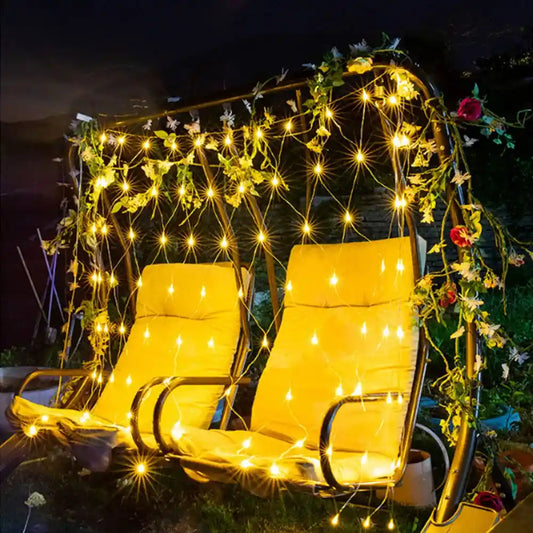
Decorative solar lights succeed when they add atmosphere with warm color and gentle sparkle, not when they compete with security lights. Their value is visual design, not measured lumens.
- What to prioritize: warm color temperature, pleasing lens diffusion, and weather-resistant finishes.
- What to avoid: harsh cool-white LEDs if your patio goal is comfort and relaxation.
Rule of thumb: choose fewer designs and repeat them for cohesion, then use a different style only as an intentional focal point.
Detailed Insight:
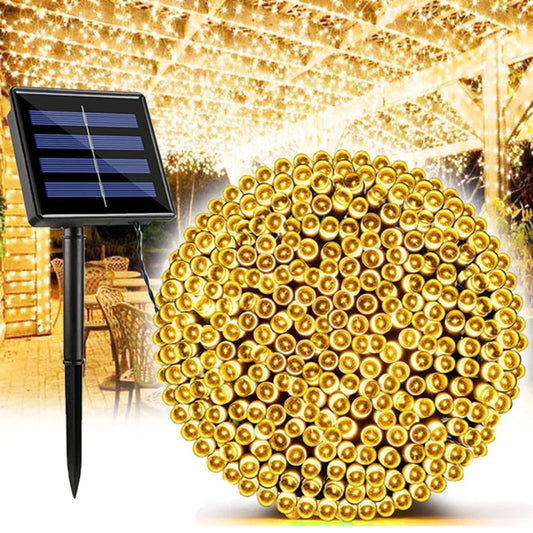
- How to Choose the Best Solar Garden Lights for Your Outdoor Space
- 8 Essential Tips for Choosing the Best Solar String Lights Outdoor
Solar Accent Lighting for Trees and Landscapes
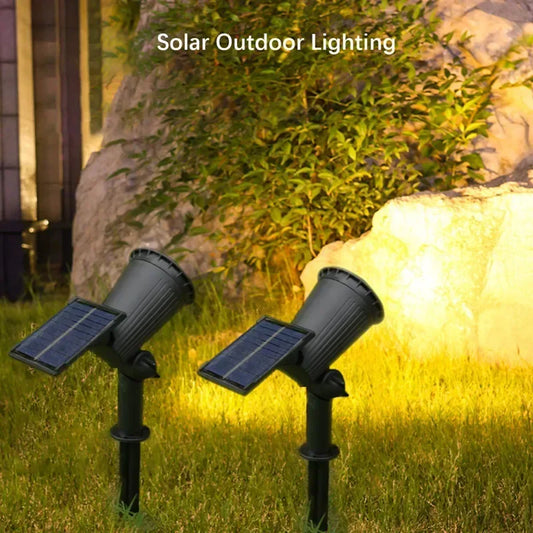
Accent lighting works when it has a controlled beam and stable aiming. For trees, you usually want a narrow beam and a mounting approach that won’t shift after rain or lawn work.
- What to prioritize: adjustable head, stake stability, and a beam pattern appropriate for the target (spot vs flood).
- What to avoid: lightweight stakes for heavy heads, which drift and ruin your lighting composition.
Decision rule: if you care about the look of the landscape at night, treat aiming as part of the installation—mark positions, test at dusk, and refine once you see shadows.
Detailed Insight:
- How to Choose the Best Solar Landscape Lights for Your Outdoors?
- 6 Essential Tips for Choosing the Best Solar Flood Light for Your Home
Solar vs Low Voltage vs Hardwired Outdoor Lighting
Solar, low-voltage, and hardwired lighting each solve a different constraint: solar solves wiring friction, low-voltage balances reliability with simpler installs, and hardwired wins on consistent power. The best choice depends on required brightness, runtime, and how permanent the installation should be.
| System | Best for | Strength | Trade-off | Decision trigger |
|---|---|---|---|---|
| Solar | Path markers, garden ambiance, motion security | No trenching or electrician; easy to relocate | Output and runtime vary by season and placement | Choose solar when wiring cost/effort is the main barrier |
| Low voltage (typically 12V) | Reliable pathways, landscape zones, larger yards | More consistent brightness; expandable system | Needs transformer and cable runs; layout planning | Choose low voltage when you want consistent nightly performance |
| Hardwired (line voltage) | Permanent, high-output security and architectural lighting | Most power headroom; best reliability | Highest install complexity; permits/electrician often required | Choose hardwired when failure or dimming is unacceptable |
How Bright Are Solar Lights? Understanding Real-World Performance
Solar lights can be genuinely bright, but brightness is often short-lived unless the panel and battery are sized for your climate and runtime. Real-world performance is a moving target influenced by sun exposure, temperature, and how the light manages its power overnight.
Three factors explain why a “1000-lumen” solar light might feel impressive at 8 p.m. and disappointing at midnight:
- Charging window: fewer peak-sun hours means less energy stored, even if the day feels “bright.”
- Controller strategy: many lights start high, then step down to extend runtime; others run dim all night and spike on motion.
- Optics and mounting: a wide flood spreads lumens over a large area; a narrow spot concentrates light and looks brighter on a target.
Useful decision rules that avoid marketing traps:
- Compare “mode + runtime” together: a high lumen number without an honest runtime statement is not decision-quality information.
- Assume winter is the stress test: if it works acceptably in winter placement (short days, low sun angle), it will feel excellent in summer.
- Prefer motion for peak brightness: for security, motion-boost can deliver high perceived brightness without requiring a huge battery.
Troubleshooting shortcut: if a light is consistently dim even after a sunny day, the most common causes are shaded panels, dirty panels, aging batteries, or a mode setting that keeps brightness low to protect runtime.
How Long Do Outdoor Solar Lights Last?
Outdoor solar lights typically “last” as long as their battery and weather sealing hold up; LEDs rarely fail first. Expect years of service from well-built fixtures, with battery performance being the most common reason for noticeable decline.
Break lifespan into components so you can predict replacement cycles:
- LED light engine: often long-lived; failures usually come from water ingress or overheating rather than the LED itself.
- Battery: capacity declines with charge cycles, heat exposure, and deep discharges; this is the part most likely to reduce runtime over time.
- Solar panel: generally durable but can be affected by physical damage, hazing, or seal failure; dirty panels can mimic “aging.”
- Controller and seals: moisture and corrosion are the silent killers; once water gets in, performance becomes inconsistent.
Decision rule: if a solar light is sealed and non-serviceable, treat it like a 2–5 year appliance depending on climate exposure. If it has a user-replaceable battery and strong sealing, you can often extend useful life significantly by swapping batteries when runtime drops.
Maintenance that measurably helps lifespan:
- Clean panels: wipe dust/pollen periodically, especially after dry windy weeks.
- Avoid chronic shade: undercharging accelerates battery wear because the controller cycles deeper discharges.
- Check seals seasonally: re-seat covers and ensure gaskets are not pinched after battery swaps.
Common Mistakes When Buying Solar Lights
Most solar-light disappointments come from mismatching expectations to energy reality, or from installing in locations that can’t charge well. Avoid these mistakes and you’ll get more reliable light with less trial-and-error.
- Buying for peak lumens instead of use case: pathway lighting needs uniformity; security lighting needs motion strategy and coverage.
- Ignoring sun exposure: “south-facing roof sun” and “under a tree canopy” are different worlds.
- Assuming IP rating guarantees durability: rating helps, but construction quality (seams, lens fit, cable seals) is what survives storms.
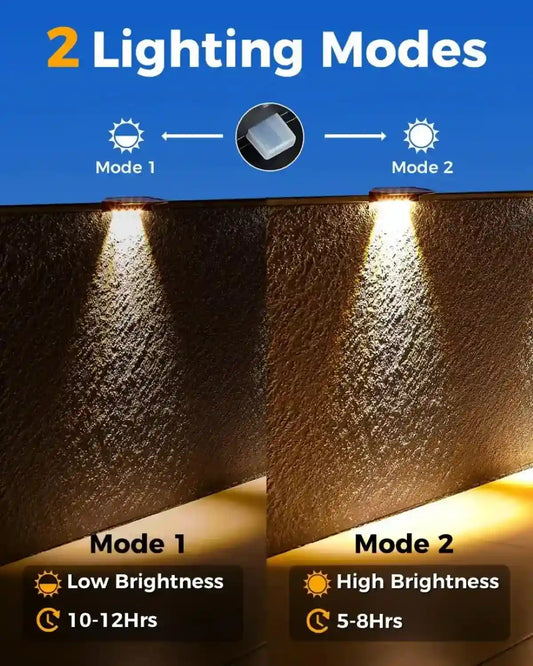
- Overlooking mode settings: many lights ship in low mode or demo mode; reading the mode chart prevents unnecessary returns.
- Placing fixtures where glare ruins comfort: bright points at eye level can feel worse than dim light.
- Skipping a winter sanity check: if your climate has long winters, choose models with conservative all-night modes or replaceable batteries.
Quick diagnostic if your current lights are underperforming: move one unit to a full-sun spot for two days, clean the panel, and retest. If it improves dramatically, the problem is installation conditions, not the product category.
Detailed Insight:
Best Outdoor Solar Lights of 2026 (Top Picks by Category)
The “best” solar light depends on where it goes and how long it needs to run. Use these category picks as spec targets: they describe the feature mix that tends to satisfy the intent of each application.
Because solar performance varies by yard and season, treat any single-number claim (lumens, hours) as a starting point. The most reliable way to choose is to match: (1) exposure, (2) required brightness, and (3) control mode.
Best for Pathways
Look for a diffuse, low-glare path light that prioritizes uniform spacing and consistent “all-evening” output rather than burst brightness.
- Best-fit profile: warm or neutral output, wide diffusion lens, stake that stays vertical, and a modest steady mode designed for many hours.
- Buy-if: you care about safe navigation and a clean look from the curb.
- Avoid-if: you want to light a wide driveway or a large patio seating area.
Placement rule: space for uniformity; if you see alternating bright/dark pools, reduce spacing or choose more diffuse optics.
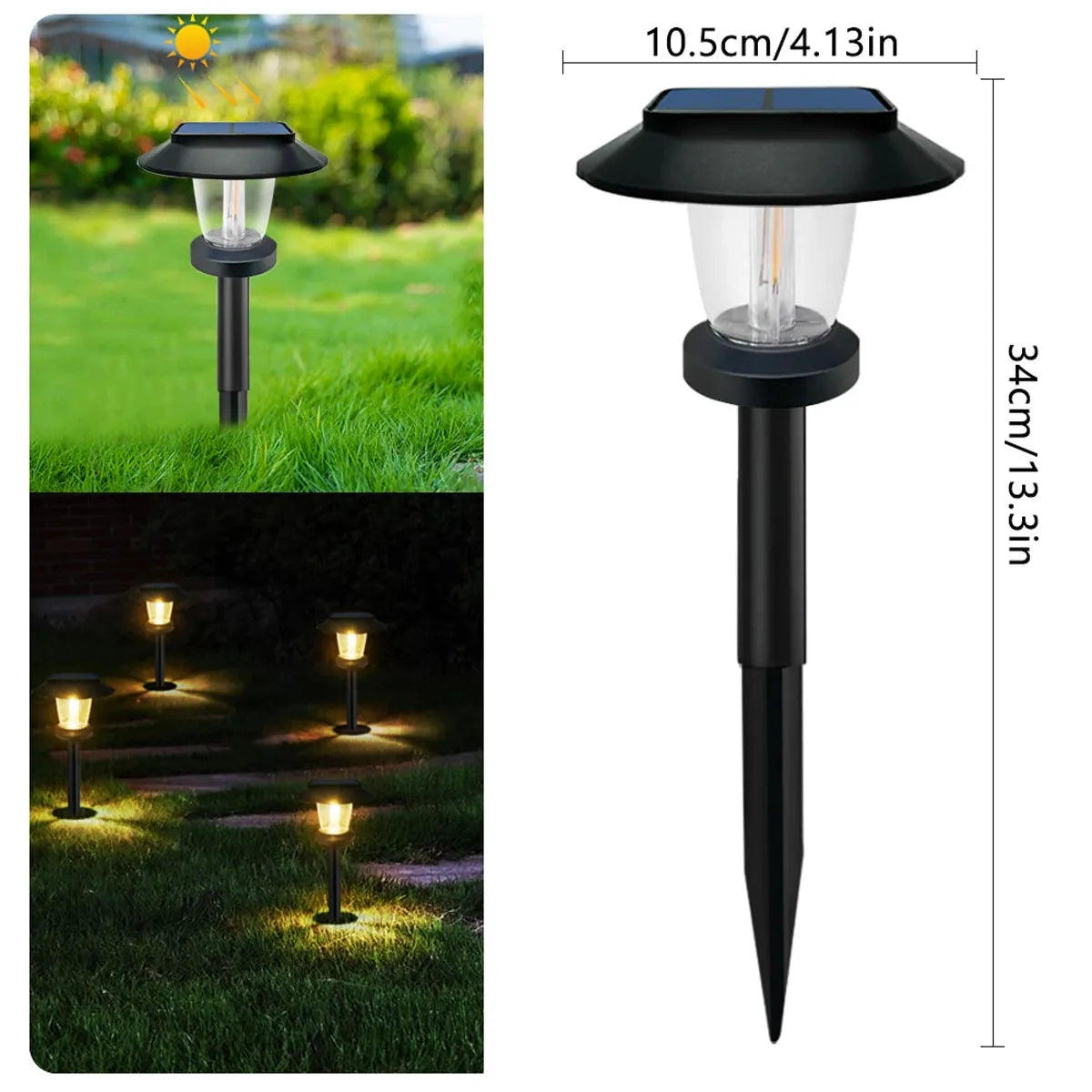
When choosing the right pathway lights, focus on consistent, long-lasting illumination with minimal glare. The Tungsten Filament Solar LED Pathway Lights are designed to provide even, soft light throughout the night, with auto charging, three modes, and an IP65 waterproof rating to withstand the elements.
Best for Security
Choose a motion-sensor solar security light designed for “baseline + boost,” ideally with a separate panel option for shaded mounting areas.
- Best-fit profile: adjustable PIR sensor, dim-to-bright mode, wide beam, and a housing with strong weather sealing.
- Buy-if: you want visibility at doors, gates, and driveways without running electrical cable.
- Avoid-if: you need guaranteed, high-brightness lighting all night regardless of weather.
Setup rule: aim the sensor away from street traffic and reflective surfaces to reduce false triggers that drain the battery.
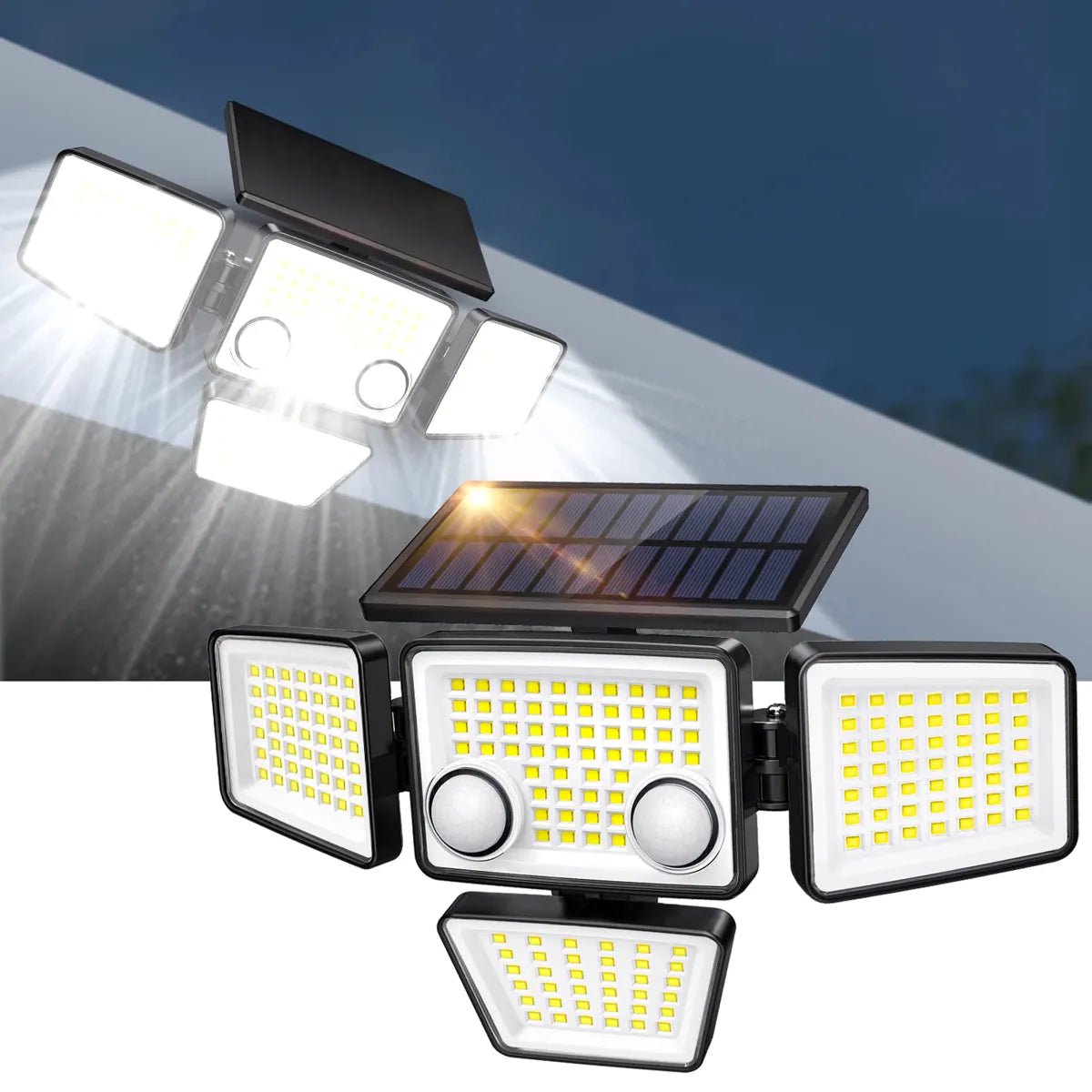
For reliable security lighting, look for motion-sensor solar lights that offer both baseline lighting and a boost when motion is detected. The 4-Head Solar Flood Light with Motion Sensor provides 3000 lumens of adjustable, powerful light from 188 LEDs, ensuring your property stays well-lit and secure, even in darker or shaded areas.
Best for Garden Ambiance
For ambiance, choose lights that create a pleasant visual effect at low power: warm color, soft diffusion, and designs that look good even when off.
- Best-fit profile: warm-white output, decorative lens or pattern casting, and conservative brightness that lasts through the evening.
- Buy-if: your goal is atmosphere on patios, planters, and small garden features.
- Avoid-if: you need functional task lighting for grilling or outdoor work.
Design rule: pick one decorative style for most of the space and repeat it; this looks more intentional than mixing many designs.
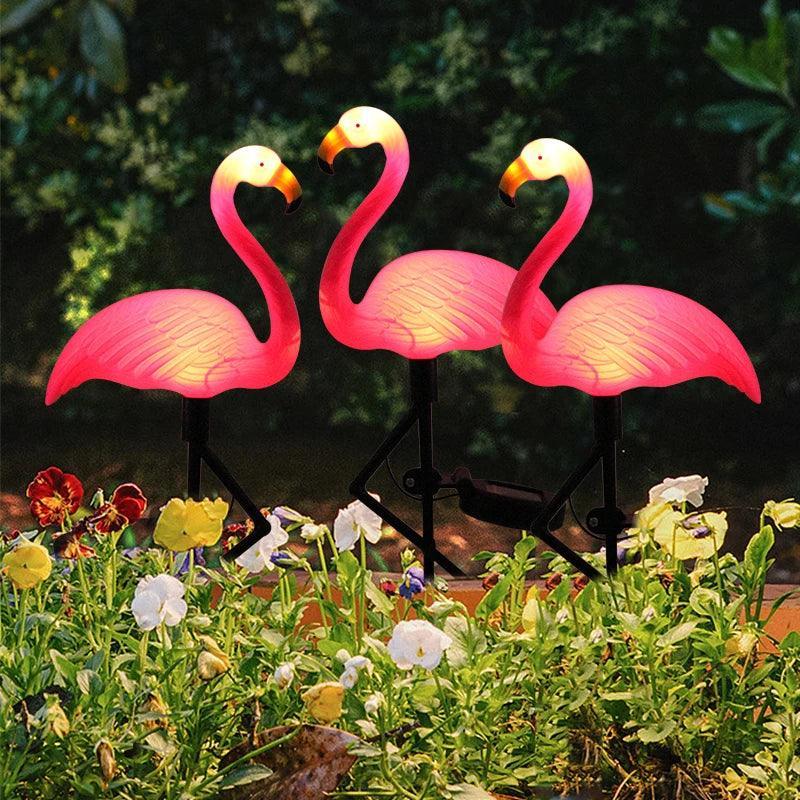
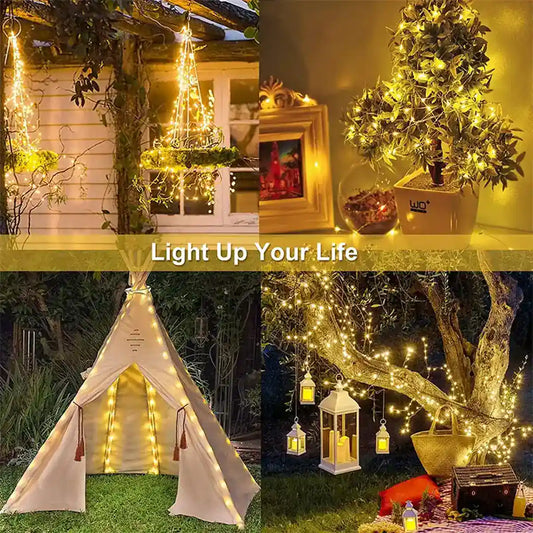
For creating a warm and inviting garden atmosphere, choose lights that provide soft, ambient illumination with an attractive design. The Flamingo LED Solar Garden Stake Lights feature a sleek stainless steel and ABS design, automatically turning on at dusk and adding a charming touch to your garden, all while being waterproof for year-round use.
Best Budget Option
A good budget solar light is simple, well-sealed, and honest about output. In this tier, reliability usually comes from modest brightness, fewer “smart” features, and replaceable standard batteries (when available).
- Best-fit profile: basic on/off or one-mode operation, decent IP rating, and construction that feels rigid rather than flimsy.
- Buy-if: you want to mark a path or add basic glow with minimal upfront cost.
- Avoid-if: you want the brightest possible light or advanced scheduling features.
Value rule: in budget lights, prioritize weather sealing and stability over high lumen claims.
Best Premium Option
Premium solar lights justify their cost when they deliver consistent control and build quality: better optics, better seals, better batteries, and smarter power management that adapts to seasons.
- Best-fit profile: robust housing, reliable motion sensing and mode memory, replaceable battery design (when possible), and consistent output across seasons.
- Buy-if: you want fewer fixtures that look better, last longer, and behave more predictably.
- Avoid-if: your installation is heavily shaded; even premium products can’t harvest energy without sun.
Premium check: look for clear mode descriptions (baseline, boost, step-down) and a physical control method that works even if app features fail.
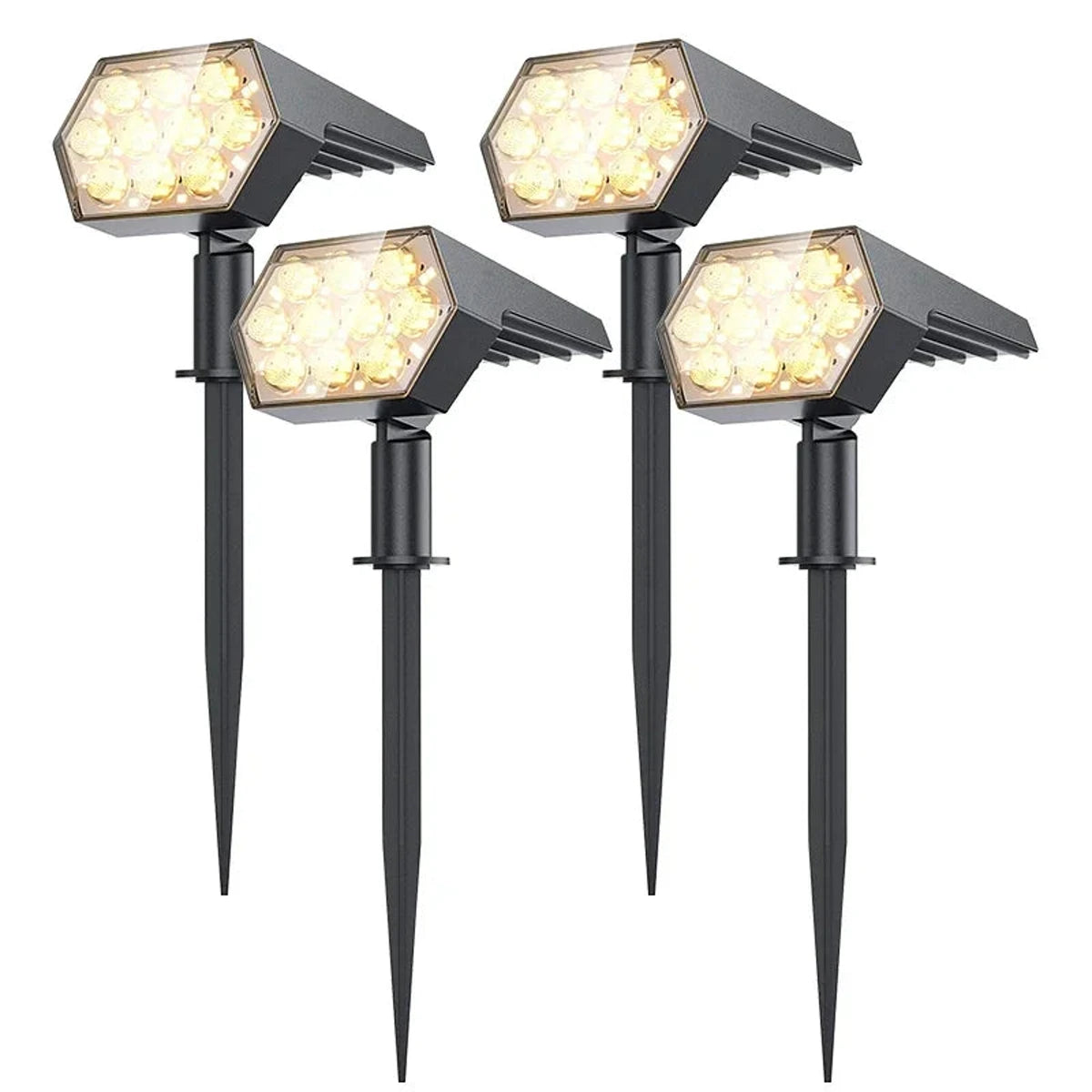
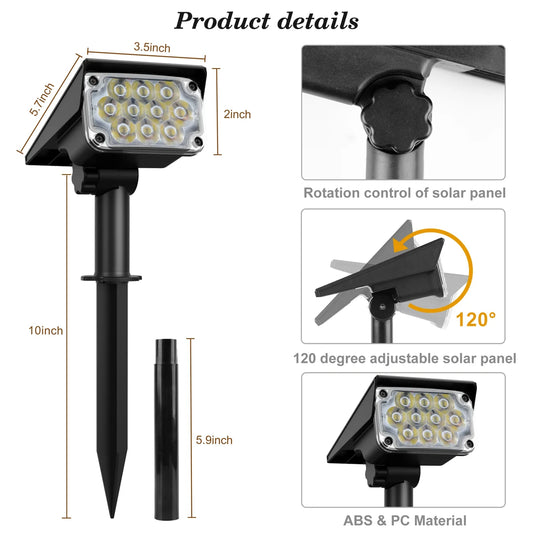
For those seeking a premium solar light, it's important to invest in options that offer superior performance and durability. The 2200mAh 92 LED Outdoor Solar Spotlight provides three adjustable modes, superior IP67 waterproofing, and auto on/off functionality, ensuring reliable, year-round illumination with smart power management and long-lasting batteries.
Frequently Asked Questions About Outdoor Solar Lights
These FAQs address the most common real-world questions about solar lighting behavior in winter, clouds, dim output, and maintenance. Use them to troubleshoot quickly before replacing fixtures.
Do solar lights work in winter?
Yes, but output and runtime often drop because days are shorter and the sun angle is lower. Choose conservative modes and ensure panels are not shaded by snow banks or winter tree branches.
Can solar lights charge on cloudy days?
They can charge, but at a reduced rate. Cloud cover lowers irradiance, so lights with larger panels, efficient controllers, and motion-boost strategies tend to perform better than “always-max” lights.
Why are my solar lights not bright?
Most causes are fixable: shaded panels, dirty panels, aged batteries, or the light being set to a low mode. Move one light to full sun for two days and retest to isolate “location” versus “hardware.”
Can you replace solar light batteries?
Sometimes. Many path lights use replaceable cells; many modern sealed fixtures do not. If replacement is possible, match chemistry and voltage, and confirm the battery compartment seals properly after closing.
Should I turn solar lights off to extend battery life?
Turning off can reduce deep cycling, which may help in long periods of poor sun. But the bigger battery-life lever is avoiding chronic undercharging (shade) and excessive heat exposure.
Do solar lights need direct sunlight?
Direct sun yields the best results. Bright shade can work for low-output decorative lights, but security lights and high-output accents usually need several hours of direct sun or a separate panel placed in a sunnier spot.
Final Buying Checklist: Choosing the Right Outdoor Solar Lights for Your Space
This checklist turns the buying decision into a repeatable process you can apply to any yard or climate. If you match exposure, brightness strategy, and build quality, you’ll avoid the most common solar-light disappointments.
- Define the job: pathway guidance, security alerting, garden ambiance, or landscape accent.
- Map sun exposure: note where you get direct sun for several hours; plan around shade from trees and rooflines.
- Pick a brightness strategy: steady low output for paths, motion-boost for security, controlled beam for accents.
- Check weather resistance: IP rating plus solid seams, gaskets, and mounting stability appropriate to your climate.
- Validate controls: confirm modes are understandable and recoverable (physical switch or clear mode memory).
- Plan spacing and aiming: prioritize uniformity for walkways and targeted beams for trees and focal points.
- Prefer serviceability when it matters: replaceable batteries and accessible panels can extend useful life.
- Test one fixture first: install a single light in your worst-case spot (winter shade) before committing to a full set.
Conclusion
Outdoor solar lights work best when you match the fixture to the job and your yard’s sun exposure. Use lumens, battery type, panel placement, and IP rating to set realistic expectations—then choose steady, low-glare output for pathways, motion-boost modes for security, and warm diffusion for garden ambiance. If you need guaranteed all-night high brightness, go low-voltage or hardwired; otherwise, a well-placed solar setup delivers the simplest, most flexible upgrade.
After reviewing the key buying factors and comparisons above, you can explore more product categories, installation guides, and expert insights on our Outdoor Lighting Hub Page to find the most suitable lighting solution for your space.
Additional Guides in This Topic
- The Ultimate Guide to Solar Spot Lights
- Ultimate Guide to Buying Solar Fence Lights
- How to Choose the Best Solar Flagpole Light
- Why Solar Pool Lights Are the Best Investment for Your Pool
- How to Choose the Best Solar Pole Lights for Your Outdoor Space














 />
/>
 />
/>
 />
/>
 />
/>
 />
/>