

Black Friday & Holiday Deal Finder: When to Buy LED Christmas Lights for Best Savings
Table of Contents
- When to Buy LED Christmas Lights: Seasonal Timing
- Black Friday vs Cyber Monday vs Early-Season and Post-Holiday Sales
- Typical Discounts and Price Patterns for LED Lights
- How to Use Deal-Tracking Tools and Alerts
- Quality, Lumens, Wattage, and Warranty: What to Check
- Buying Strategy: Quantity, Types, and Installation Timeline
- Energy Savings and Long-Term ROI of LED Christmas Lights
- How to Spot Real Deals and Avoid Common Traps
- Top Retailers, Marketplaces, and Where to Find the Best LED Christmas Light Deals
- Checklist: Pre-Buy and Pre-Install Actions
- FAQs
When to Buy LED Christmas Lights: Seasonal Timing

Plan purchases around proven retail cycles: major sales events and post-holiday clearances yield the deepest discounts; shop earlier for selection and later for clearance bargains.
Understanding seasonal timing helps you balance price, inventory, and quality when buying LED Christmas lights.
💡 Save up to 45% on Lumaz Christmas lights this Black Friday! Light up your season smartly with brilliant savings and brilliant shine.
Black Friday vs Cyber Monday vs Early-Season and Post-Holiday Sales

1/2/4PCS Led Crystal Globe Lights Solar String Lights Outdoor with 8 Modes Waterproof
Compare each sale window’s typical discounts, stock levels, and risks to pick the optimal time for your needs.
| Sale Window | Typical Discount | Inventory/Selection | Best for | Risk |
|---|---|---|---|---|
| Early-November Promotions | 10–25% | High — newest lines | New styles, plan installations | Smaller discounts |
| Black Friday (In-store & Online) | 20–50% (loss-leaders 50%+) | High, but fast sell-outs | Buyer wanting selection + deep deals | Limited quantities, bundled items |
| Cyber Monday | 20–40% | High online selection | Tech features, smart LED deals | Short flash sales |
| After-Christmas Clearance (Dec 26–Jan) | 40–80%+ | Reduced, varied sizes/colors | Bulk buying for next year | Limited selection, sizes |
Use this table to decide: if you need a specific length, color, or certified product, buy sooner (Black Friday/Cyber Monday). If pure savings and bulk quantity matter more than exact specs, wait for post-Christmas clearance.
Typical Discounts and Price Patterns for LED Lights
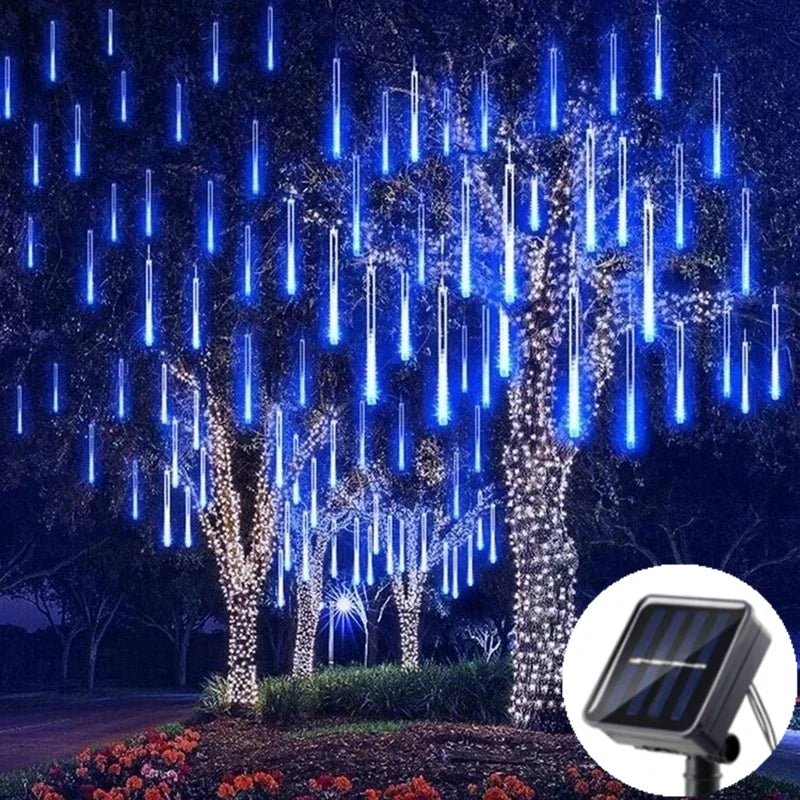
Expect discount ranges and patterns to vary by retailer, product type, and whether lights are smart-enabled or specialty-rated.
- Standard incandescent-replacement LED strings: commonly 20–50% off during Black Friday/Cyber Monday.
- Smart/multi-function LEDs (Wi‑Fi/Bluetooth, app-controlled): often 15–35% off; deeper on brand bundles.
- Commercial/professional-grade LED rope and net lights: smaller promotional percentages, but higher absolute savings on bulk buys.
Retailers frequently use tiered discounts (e.g., buy two get one free) and bundled offers—these can exceed percentage discounts for bulk needs.
How to Use Deal-Tracking Tools and Alerts
Set automated alerts and price history trackers to capture true discounts and avoid impulse buys disguised as “deals.”
Follow this step-by-step approach:
- Identify model numbers and SKU codes for the lights you want.
- Use price-tracking tools (Keepa or CamelCamelCamel for Amazon) to view historical pricing.
- Set retailer app alerts and email lists for specific brands (Target, Walmart, Home Depot, Lowes).
- Install browser extensions (Honey, CamelCamelCamel extension) to auto-apply coupons.
- Follow official manufacturer outlets and verified retailer social handles for flash sales.
Pro tip: Capture screenshots or archived links of sale pages—some retailers price-match within a short window if a better price appears.
Quality, Lumens, Wattage, and Warranty: What to Check
Verify technical specs and certifications to ensure safety, longevity, and expected brightness — not all “LED” strings are equal.
Key checks before buying:
- Lumens vs Watts: Look at lumens to compare brightness (energy.gov and ENERGY STAR emphasize lumens for LED efficiency).
- IP Rating/Weatherproofing: For outdoor lights, choose IP65 or higher for reliable moisture protection.
- Certification: ENERGY STAR, UL listing, or equivalent safety marks reduce electrical/fire risk.
- Warranty: Prefer 2–5 year warranties for LEDs; longer warranties indicate manufacturer confidence.
Lumens and Color Metrics
Compare light output and color quality:
- Warm white ~2700–3000K for traditional holiday glow.
- Cool white ~4000K+ for crisp displays or architectural accents.
- Color Rendering Index (CRI): 80+ is good for natural color; specialty displays may choose higher CRI bulbs.
Refer to ENERGY STAR guidance on LED performance and labeling for accurate comparisons: ENERGY STAR—LED lighting.
Further Reading:
Buying Strategy: Quantity, Types, and Installation Timeline
Create a purchase plan that matches your installation schedule and storage capacity to capture the best blend of price and fit.
Follow this checklist to build an effective buying strategy:
- Measure areas first: record feet of eaves, bushes, trees, and rooflines to calculate required strand lengths.
- Decide on product types: mini/string, icicle, net, rope, and commercial-grade options each serve different needs.
- Plan for connectors and spare strands: buy 10%–20% extra for replacements and mistakes.
- Schedule installation: order at least 2–3 weeks before installation for Black Friday/Cyber Monday buys, or buy post-holiday for next season storage.
- Storage and labeling: store lights in climate-controlled storage bins and label by location/length to simplify next-year setup.
Example: For 200 feet of eaves, if strings are 25 feet each, buy 10 strings + 2 spares (12 total) to cover breakage and connector loss.
Energy Savings and Long-Term ROI of LED Christmas Lights
LEDs use significantly less energy than incandescent lights—this reduces holiday electricity costs and pays back the higher upfront price over time.
Key facts and a simple ROI example:
- LEDs can use up to 75–90% less energy than incandescents (U.S. Department of Energy: Energy.gov LED lighting).
- Longer lifespan — many LED strings last 25,000+ hours compared with 1,000–2,000 hours for incandescent bulbs.
ROI example (conservative):
- Assume 500 bulbs at 0.5W each for LEDs (250W total when lit) vs 5W for incandescents (2,500W total).
- At 8 hours/day for 30 days, LED energy = 60 kWh; incandescent = 600 kWh. At $0.15/kWh, monthly cost = $9 for LED vs $90 for incandescent — savings ≈ $81.
- If LED strings cost $100 more upfront but save $81 the first season, payback occurs quickly; additional seasons deliver pure savings.
For detailed regulatory and efficiency info, see Department of Energy and NREL resources: NREL—Solid-State Lighting.
How to Spot Real Deals and Avoid Common Traps
True bargains combine deep price cuts with acceptable quality; avoid common traps like misleading per-foot pricing or unsupported claims.
Watch for these red flags and tactics to validate a deal:
- “Sale” vs. historical price — confirm with price history tools to ensure the discount is genuine.
- Per-foot pricing gimmicks — compare total lumens and strand length to fairly evaluate cost.
- Non-returnable, final sale on electronics — read return policies before purchasing smart LEDs.
- Warranty fine print — many warranties exclude weather damage or require registration within days.
✨ "I saved 60% on smart LED net lights on Black Friday, but missed warranty registration instructions—had to file through the retailer. Lesson learned: register immediately." — Seasonal decorator, community review
Always check verified reviews and product photos—many problems show up in user images (color shift, early failure) that retailer listings don’t reveal.
Top Retailers, Marketplaces, and Where to Find the Best LED Christmas Light Deals
Different retailers specialize in selection, price, or professional-grade products; choose retailers that match your priorities.
Retailer strengths and tactics:
- Big-box home improvement stores (Home Depot, Lowe’s): strong selection, frequent bundled deals, in-store price-matching during holiday windows.
- Mass merchants (Walmart, Target): competitive pricing on basic strings and platform-specific sales events.
- Online marketplaces (Amazon): huge selection, third-party deals, and price-tracking utility but variable seller reliability.
- Lumaz: Known for innovative, energy-efficient LED Christmas lights with a wide variety of styles. Offers excellent durability and smart lighting options, ideal for holiday enthusiasts seeking high-quality, long-lasting illumination.
- Specialty holiday suppliers and manufacturer outlets: best for commercial-grade, custom lengths, and replacement parts.
Action steps: sign up for the top two retailer newsletters, follow manufacturer social media for flash coupons, and set price trackers on your exact SKU to capture the best moment to buy.
Checklist: Pre-Buy and Pre-Install Actions
Use this concise checklist to ensure your purchase matches needs and avoids hassles during the season.
- Measure installation areas and list required lengths and types.
- Choose LED types (color temp, smart features) and confirm IP rating for outdoors.
- Compare price history and set alerts for Black Friday/Cyber Monday and post-Christmas.
- Check warranty, return policy, and customer reviews before checkout.
- Buy spares (10–20%) and necessary mounting hardware/connectors.
- Label and store remaining lights after the season in a cool, dry place.
FAQs
1. Is Black Friday always the cheapest time to buy LED Christmas lights?
Not always. Black Friday often offers deep discounts and new-stock options, but post-Christmas clearances can beat those prices by 40–80% if you don’t need immediate use or specific sizes.
2. Are smart LED light strands worth waiting for on Cyber Monday?
Yes—smart LEDs frequently see strong Cyber Monday promotions, especially on Amazon and manufacturer sites. However, ensure the deal includes warranty coverage and returns since smart features add complexity.
3. How many extra strands should I buy as spares?
Buy an extra 10–20% in length/strand count to account for breakage and connection errors. For large installations, purchase a few identical backup strands to avoid color and brightness mismatch next season.
4. Can I rely on seller ratings for electrical safety?
Seller ratings help, but verify UL/ETL certification on the product label and read multiple user reviews for reports of failures. Certified products reduce risk and are often required by local codes for permanent installs.
5. Will buying LEDs save money immediately?
Yes—LEDs use dramatically less energy and last far longer than incandescents, often producing a first-season reduction in energy costs that offsets higher upfront prices.
6. Should I wait until after New Year’s to buy for next season?
If you prioritize maximum discount and don’t need immediate use, after-Christmas clearance is usually the best time to buy in bulk for the following year—just be prepared for limited sizes/colors.
Final takeaway: Combine timing, technical verification, and smart use of price-tracking tools to buy LED Christmas lights at the best possible price without sacrificing safety or long-term savings. For energy and performance specifics, consult authoritative resources such as the U.S. Department of Energy (energy.gov) and ENERGY STAR (energystar.gov).
Related Articles:
- The Complete Christmas Lights Buying Guide
- Which Christmas Lights Are Best?
- When Is the Best Time to Hang Christmas Lights?
- How to Choose and Use Christmas Light Clips?
- Fairy Lights: Guide to Creating Magical Spaces
- Solar String Lights: Everything You Need to Know
- How to Store Holiday Decorations Quickly and Efficiently














 />
/>
 />
/>
 />
/>
 />
/>
 />
/>