

Battery-Powered vs. Wired Bedroom Lighting: 9 Key Differences in Flexibility, Installation, and Style
Table of Contents
- Why Bedroom Lighting Matters More Than You Think
- Overview of Battery-Powered Bedroom Lighting
- Overview of Wired Bedroom Lighting
- Flexibility and Mobility
- Installation and Maintenance Requirements
- Safety and Power Reliability
- Design and Aesthetic Options
- Cost Comparison
- Eco-Friendliness and Sustainability
- Smart Lighting Compatibility
- Performance: Brightness, Lifespan, and Control
- Best Situations for Battery-Powered Lighting
- Best Situations for Wired Lighting
- Real User Stories and Community Opinions
- Expert Recommendations and Buyer’s Guide
- FAQs About Battery vs. Wired Lighting in Bedrooms
- Conclusion: Which Lighting Option Suits Your Bedroom Best?
Why Bedroom Lighting Matters More Than You Think
Lighting isn’t just about seeing clearly — it’s about feeling comfortable, safe, and relaxed. In the bedroom, lighting plays a crucial role in setting the mood, supporting healthy sleep patterns, and complementing the overall design.
📊 According to a 2023 report by the National Sleep Foundation, 75% of surveyed individuals reported better sleep quality when exposed to warmer, adjustable bedroom lighting during nighttime routines.
Bedroom lights should therefore combine functionality, style, and adaptability — whether you're winding down or getting ready to start your day. That’s where the debate between battery-powered and wired lighting becomes so important.
💬 “I didn’t realize how much lighting impacted my bedtime until I replaced my old fixture with a battery-powered wall light. It instantly made the room feel calmer.” – Jamie, verified Amazon reviewer
Overview of Battery-Powered Bedroom Lighting
Battery-powered lighting operates independently of your home’s electrical wiring, offering instant illumination without hard installation. These lights are powered by AA, AAA, rechargeable lithium-ion batteries, or even solar charging panels, depending on the model.
🔦 Common Forms:
- Stick-on LED tap lights
- Motion-sensor closet lights
- Rechargeable wall sconces
- Portable reading lights
They’re especially favored in:
- Rental properties
- Children’s rooms
- Closets or under-bed lighting
- Homes without access to professional wiring
🔎 Expert Insight: Lighting manufacturer Luminoodle reports that battery-powered fixtures have grown 35% in market demand year-over-year, largely due to DIY trends and flexible home design.
Overview of Wired Bedroom Lighting
Wired lighting is the traditional lighting format connected directly to your home’s electrical circuits. These fixtures are usually controlled by a wall switch and require installation by a certified electrician.
💡 Common Examples:
- Overhead ceiling fixtures
- Recessed lighting
- Wall sconces wired behind drywall
- Integrated LED track lights
Wired lights are ideal for:
- Permanent setups
- Luxury bedroom makeovers
- Homes with complex lighting layouts
- Smart home systems
💬 “We opted for wired pendant lights over our nightstands during a remodel. Yes, the cost was higher, but they look custom-built and added real value to the home.” – Erica M., Houzz user
Flexibility and Mobility
One of the biggest differentiators is how flexible each option is in terms of installation and relocation.
| Criteria | Battery-Powered Lighting | Wired Lighting |
|---|---|---|
| Portability | Easily movable, no wires | Permanently fixed |
| Installation Tools | Peel-and-stick, magnetic, screws | Requires electrician |
| Ideal For | Renters, dorms, mobile homes | Homeowners, long-term use |
| Relocation | Instant and tool-free | Requires removal and patchwork |
Battery-powered lighting wins when temporary or mobile setups are needed. It’s especially helpful for renters who want lighting without violating lease agreements.
🛠️ “When we moved, I just peeled off our battery lights and reused them in the new place. So easy.” – Reddit user @lightflex
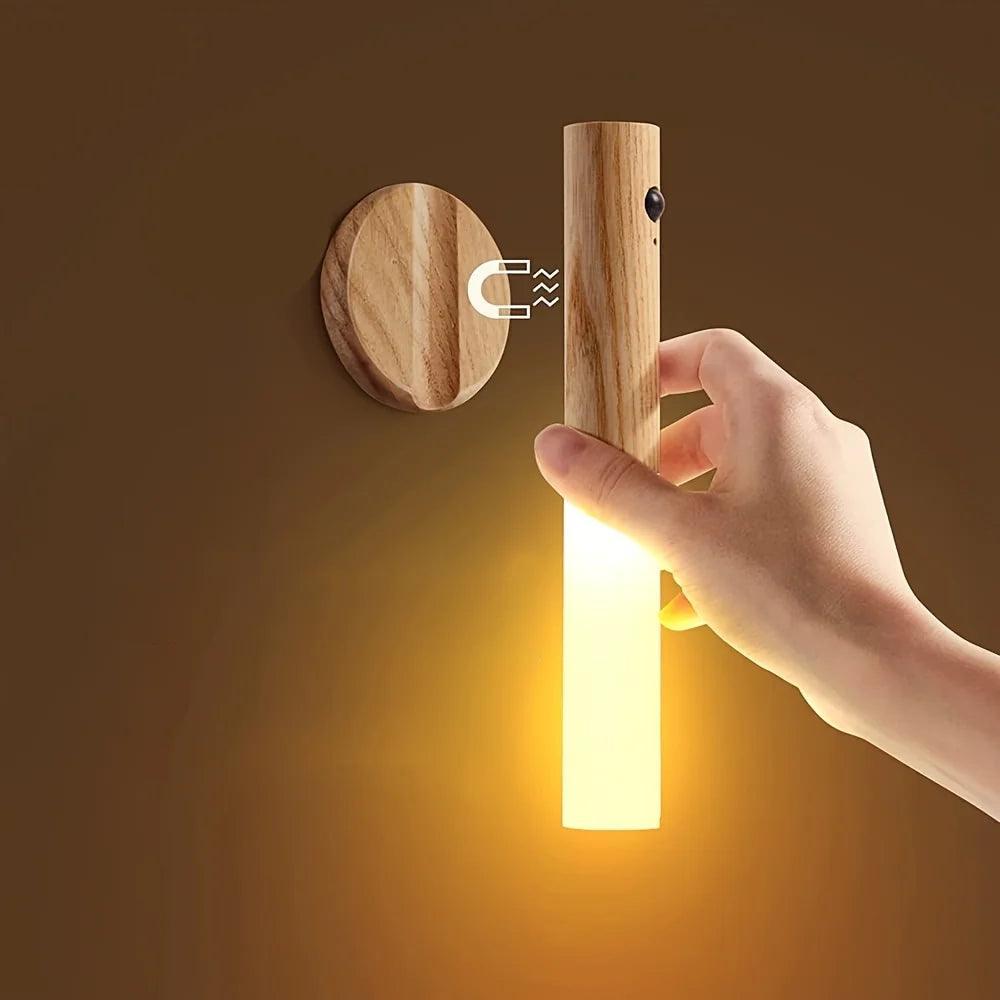
When it comes to flexibility and mobility, battery-powered lights offer the advantage of easy installation and the ability to relocate them without hassle. The Walnut Motion Sensor LED Night Light, with its USB rechargeable design and magnetic wall-mount, allows you to place it anywhere in your bedroom, offering both convenience and style without the need for wiring.
Installation and Maintenance Requirements
Battery-powered lighting offers DIY convenience. Most models are ready to go out of the box with adhesive backs or magnetic strips. Some are rechargeable via USB — a plug-in overnight charges them for weeks.
In contrast, wired lighting requires:
- Cutting into drywall
- Connecting to a home circuit breaker
- Ensuring code-compliant wiring
🔋 Battery-Powered Maintenance:
- Battery replacement every 3–6 months (or recharging weekly)
- No electric bills
- Portable maintenance
🔌 Wired Lighting Maintenance:
- No batteries needed
- Possible bulb replacements
- Occasional electrical inspections
⚠️ Electrical Safety Note: Improperly installed wired lighting can pose fire risks. The U.S. Consumer Product Safety Commission (CPSC) recommends that all wired bedroom installations be handled by licensed professionals to prevent electrical hazards.
Safety and Power Reliability
When it comes to safety and reliability, each option has trade-offs:
🔋 Battery-Powered Lights
- Safe from electrical shorts
- Ideal during power outages
- Can fail if batteries die unexpectedly
💬 “Our baby’s nightlight is battery-powered. During last winter’s outage, it was the only thing still working. Total lifesaver.” – Alyssa G., mom and Etsy shop owner
🔌 Wired Lights
- Always powered (unless there’s an outage)
- Can be linked to backup generators
- Risk of shock or fire if miswired
| Feature | Battery-Powered | Wired |
|---|---|---|
| Electrical Fire Risk | Very low | Moderate |
| Outage Resilience | Works during blackouts | Needs backup power |
| Shock Hazard | Minimal | Possible if tampered |
| Ideal For | Kids’ rooms, closets, emergencies | General use, high-traffic areas |
According to NFPA (National Fire Protection Association) data, electrical lighting systems are among the top 5 causes of house fires, which makes professional wiring an essential part of wired light safety.
Design and Aesthetic Options
Both lighting types offer stylistic versatility — but in different ways.
🎨 Battery-Powered Lighting Aesthetics:
Modern battery lights are slim, minimal, and versatile. Many models mimic high-end sconces or pendant lighting without the wires. Popular finishes include brushed brass, matte black, and Scandinavian white.
💬 “The battery sconces I got from Amazon look like they’re hardwired. I added them above my bed, and people assume they’re custom fixtures.” – Lena M., verified review on Wayfair
🛋️ Wired Lighting Aesthetics:
Wired lighting allows for larger, permanent fixtures that serve as focal points in interior design. From chandeliers to recessed lighting, wired options dominate high-end bedroom aesthetics.
| Design Feature | Battery-Powered | Wired Lighting |
|---|---|---|
| Fixture Size | Compact, portable | Full-size, built-in |
| Cord Visibility | Cordless, clean look | Concealed through wall/ceiling |
| Placement | Limited by mounting surface | Fully customizable by electricians |
Interior designers often use wired lights as architectural highlights, while battery options excel in accent lighting or temporary styling.
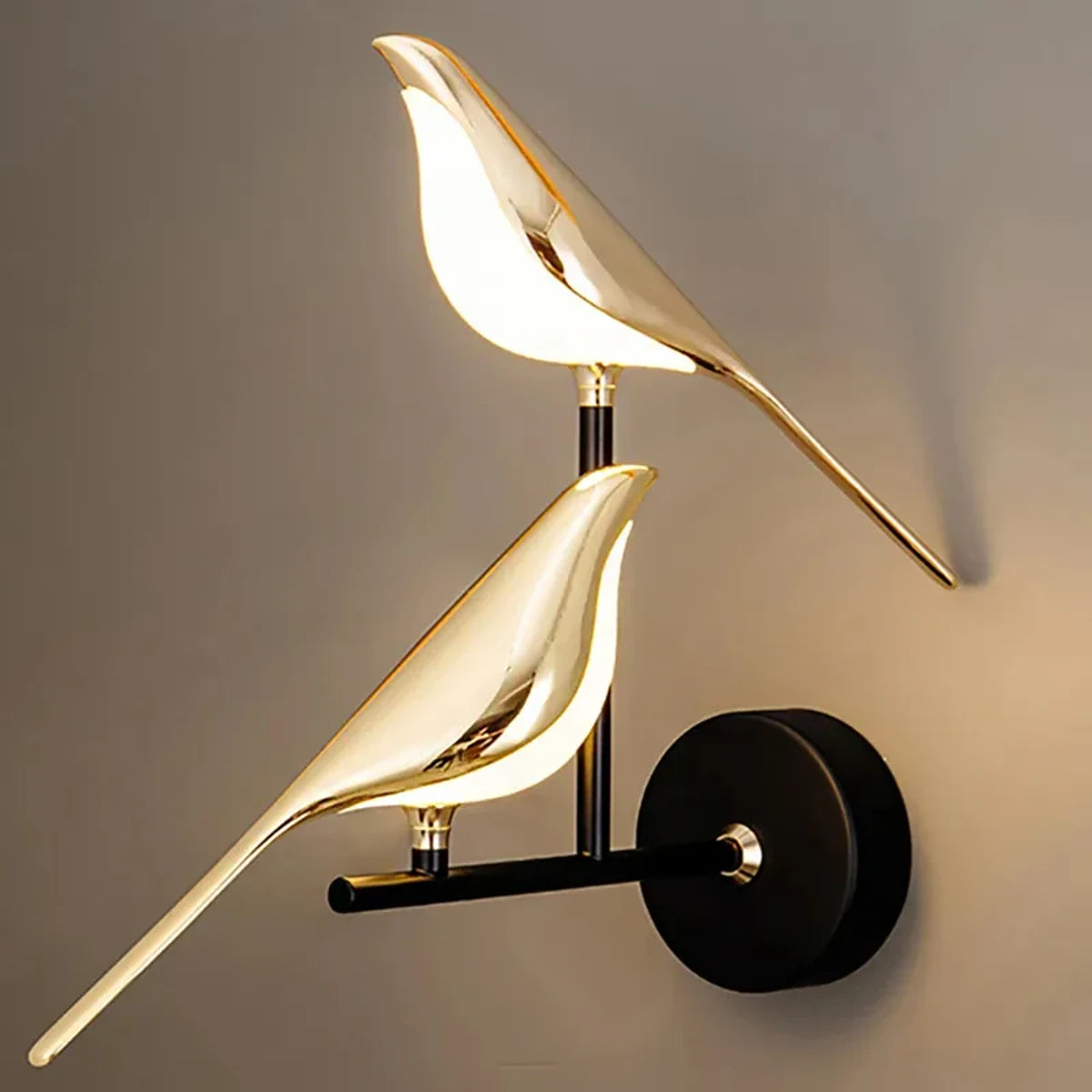
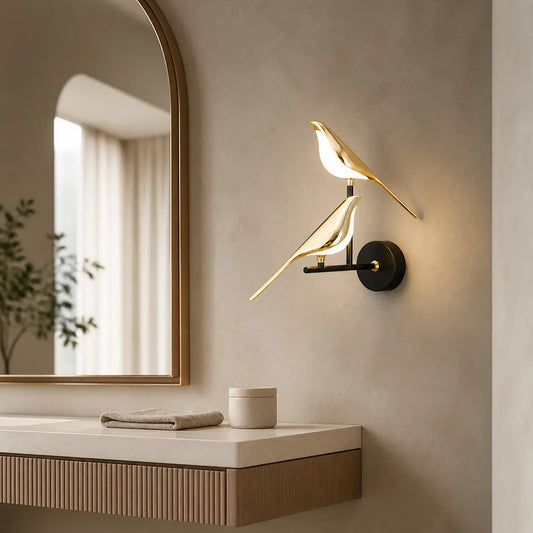
Wired lighting offers grand, permanent fixtures that can become the centerpiece of your bedroom’s design. The Nordic Golden Bird LED Wall Sconce, with its adjustable angle and unique, creative design, combines high-end aesthetics with functionality, making it an elegant and striking addition to any bedroom.
Cost Comparison
Let’s break down the long-term and short-term costs of each lighting option.
| Cost Factor | Battery-Powered | Wired Lighting |
|---|---|---|
| Fixture Price | $10–$60 each | $30–$200+ per fixture |
| Installation Cost | $0 (DIY) | $100–$300 (electrician fees) |
| Maintenance | Battery replacement/recharge | Minimal unless rewiring needed |
| Energy Consumption | Low, but uses batteries | Higher, but consistent |
| Total 5-Year Cost* | ~$80 per unit | ~$250+ per fixture |
💰 “I outfitted my entire bedroom with battery lights for less than the electrician quoted for just one wall sconce.” – Victor P., r/HomeImprovement contributor
*Based on average LED usage and installation rates in U.S. urban homes.
Eco-Friendliness and Sustainability
♻️ Battery-Powered Lighting:
Pros:
- Energy-efficient LEDs
- No phantom power draw
Cons:
- Disposable battery waste
- Frequent recharging may reduce lifespan
⚡ Wired Lighting:
Pros:
- Compatible with energy-saving switches
- Powered by grid — can be renewable (solar, hydro, etc.)
Cons:
- Electricity consumption when left on
- Requires more material to install
🌱 Sustainability Insight: According to Energy Star, wired LED lights using motion sensors can save up to 75% of energy compared to standard wired bulbs — especially when automated correctly.
Smart Lighting Compatibility
📲 Battery-Powered Smart Integration:
- Limited, but improving
- Some rechargeable models include Bluetooth or IR remotes
- Most are standalone, not app-controllable
🧠 Wired Smart Integration:
- Fully compatible with platforms like Philips Hue, Lutron Caseta, Google Home, Alexa
- Allows voice control, routines, motion detection, and remote scheduling
💬 “I use wired smart lights that turn red at night and blue in the morning. It syncs with my circadian rhythm. Game-changer.” – Anna C., SmartThings community user
Performance: Brightness, Lifespan, and Control
💡 Brightness:
- Wired lights are brighter and more consistent
- Battery-powered lights are dim-friendly but often limited to ~100–300 lumens
🕒 Lifespan:
- Wired LEDs last ~25,000–50,000 hours
- Rechargeable battery lights last ~8,000–15,000 hours depending on usage
🎛️ Control:
- Wired systems offer wall switches, dimmers, or voice/app control
- Battery systems rely on button toggles or simple remotes
📌 Expert Tip: Always choose dimmable LEDs for either option if light customization is a priority.
Best Situations for Battery-Powered Lighting
- Renters needing no-damage solutions
- Closets and under-bed areas
- Kids’ rooms where safety and mobility matter
- Emergency backup lighting
- Budget-friendly makeovers
💬 “We stuck motion-sensor battery lights under our bed frame. It turns on when our feet hit the floor. No more stubbed toes.” – Kelly R., Apartment Therapy comments
Best Situations for Wired Lighting
- New construction or full remodels
- Luxury homes or long-term ownership
- Bedrooms with vaulted ceilings or layered lighting needs
- Homeowners integrating smart systems
- Ambient and task lighting setups
🛠️ “We wired sconces into our headboard wall during reno. No cords, no batteries, and they’re synced with Alexa. Worth every penny.” – Reddit user @smarthomefan
Real User Stories and Community Opinions
🌐 Reddit (r/HomeImprovement)
“Battery-powered lights are great for closets and accent lighting. But for main lighting, nothing beats wired.”
🛒 Amazon Verified Review:
“Love my battery sconces. I recharge them monthly, and they’ve totally transformed my room’s vibe.”
🗣️ Houzz Forum:
“Wired bedroom lights add value to your home. They just look more integrated and custom.”
These candid user perspectives echo a clear trend: battery lights for convenience, wired lights for permanence and elegance.
Expert Recommendations and Buyer’s Guide
🧠 Choose Battery-Powered If:
- You rent your space
- You want to avoid installation
- You’re lighting temporary or tight spots
🔌 Choose Wired If:
- You’re renovating or own your home
- You want smart lighting
- You prioritize consistent brightness
Top Battery Brands:
- GE Enbrighten
- Light It!
- Brilliant Evolution
Top Wired Brands:
- Lutron
- Philips Hue
- Kichler
✅ Always check UL certification and lumens per watt for reliability and efficiency.
FAQs About Battery vs. Wired Lighting in Bedrooms
Q1: Are battery-powered bedroom lights safe for kids?
A: Yes, most are low-voltage, cool-to-touch, and cordless — ideal for child-safe zones.
Q2: Can I turn wired lights into battery-powered fixtures?
A: Not directly. But plug-in wall sconces can be modified to use rechargeable packs with DIY kits.
Q3: Which is better for low ceilings — battery or wired lighting?
A: Battery lights can be ideal for low ceilings where space is tight, especially LED strips or puck lights.
Q4: How long do rechargeable battery lights last per charge?
A: Usually 10–30 hours, depending on brightness and battery size.
Q5: Do wired lights increase home value?
A: Yes. Professionally installed lighting can enhance resale value and aesthetic appeal.
Q6: Are motion-sensor lights available in both formats?
A: Absolutely. Both wired and battery models include motion detection options.
Conclusion: Which Lighting Option Suits Your Bedroom Best?
So, which bedroom lighting mode is right for you?
Choose battery-powered lights if you’re looking for flexibility, no-fuss installation, or temporary design solutions. They’re perfect for renters, small spaces, or quick upgrades.
Opt for wired lighting if you prioritize long-term performance, brightness, and smart home integration. It’s an investment — but one that adds functionality and value.
🎯 Final Take: Mix and match. Use battery lights for ambiance and wired fixtures for essentials. Your bedroom lighting doesn’t have to be all-or-nothing.
Further Reading
Explore the full guide for this topic: Bedroom Lights: The Complete Guide to Choosing the Right Lighting for Every Bedroom
Related Articles
- How to Choose Bedroom Lights Based on Room Layout
- Floor Lamps vs. Ceiling Lights for Bedroom: Which is Better?
- Recessed Lighting vs. Pendant Lighting: Which Is Better for Bedrooms?
- LED Strip Lights vs. Fairy Lights for Bedroom Decoration
- Lamps vs. Overhead Lighting in Bedrooms: 10 Key Questions Answered
- LED Bedroom Lights vs. Incandescent – What Should You Choose?
- Battery-Powered Bedroom Lights vs. Wired Bedroom Lights: Pros and Cons















 />
/>
 />
/>
 />
/>
 />
/>
 />
/>