

Dimmable Bedroom Lights vs. Non-Dimmable Lights: Benefits and Drawbacks
Table of Contents
-
Key Takeaways
-
Quick Comparison
-
Bedroom Lights Overview
-
Dimmable Lights: Pros
-
Dimmable Lights: Cons
-
Non-Dimmable Lights: Pros
-
Non-Dimmable Lights: Cons
-
Safety and Compatibility
-
Choosing Bedroom Lights
-
Tips for Bedroom Lighting
- FAQ
- Conclusion

Imagine you want to read, relax, or get ready for sleep. You wish your bedroom lights could match your mood. Dimmable lights let you change brightness for comfort and activities, while non-dimmable lights stay at one level. Dimmable lights can cut energy use by over 75% and save you money each year, as shown below:
| Power Use (9 hrs/day) | Dimmable | Non-Dimmable |
|---|---|---|
| Annual kWh | 55.52 | 227.98 |
| Annual Cost (USD) | 18.72 | — |
Both types have pros and cons. You should think about comfort, flexibility, energy savings, and safety when choosing.
Key Takeaways
- Dimmable lights let you adjust brightness to match your mood and activities, while non-dimmable lights stay at one fixed brightness.
- Using dimmable lights can save up to 75% energy, lowering your electric bill and helping the environment.
- Dimmable bulbs last longer because dimming reduces heat and stress on the bulb, saving you money on replacements.
- Non-dimmable lights are simple to install, cost less upfront, and work with almost any standard switch or fixture.
- Dimmable lights often support smart features like phone or voice control, scheduling, and color changes for more comfort and convenience.
- Using non-dimmable bulbs on dimmer switches can cause flickering, buzzing, or damage, so always check compatibility before buying.
- Layering different types of light and using dimmers or smart controls can create a cozy, flexible bedroom lighting setup.
- Plan your lighting choices based on your room size, activities, budget, and future upgrades to get the best comfort and value.
Quick Comparison
Main Differences
When you look at dimmable and non-dimmable lights, you notice some big differences right away. Dimmable lights let you change how bright your room feels. Non-dimmable lights always stay at the same brightness. This choice affects how you use your bedroom and how much energy you use.
Here’s a quick table to help you see the main differences:
| Feature | Dimmable Lights | Non-Dimmable Lights |
|---|---|---|
| Brightness Control | You can adjust brightness for any activity | Only one brightness level |
| Energy Savings | Uses less energy when dimmed | Always uses full power |
| Lifespan | Bulbs last longer when dimmed | Standard lifespan |
| Compatibility | Needs special dimmer switches and bulbs | Works with regular switches |
| Smart Features | Can connect to smart home systems | No smart features |
| Mood and Comfort | Lets you set the mood for reading or relaxing | No mood control |
| Safety | Reduces blue light at night, helps sleep | May disrupt sleep if too bright |
Dimmable LED lights use special circuits to let you control brightness. You need a compatible dimmer switch for them to work well. Non-dimmable lights do not have this feature, so they cannot change brightness. If you try to use a non-dimmable bulb with a dimmer, it might flicker or even break.
Tip: If you want to control your Bedroom Lights with your phone or voice, choose dimmable lights with smart features.
Key Considerations
Before you pick your lights, think about what matters most to you. Here are some things to keep in mind:
- How do you use your bedroom? If you read, relax, or watch TV, you might want to change the light level. Dimmable lights give you that option.
- Do you want to save energy? Dimmable LEDs can cut your energy use by up to 75% compared to old bulbs. Research shows that using dimmers can lower your electricity bill and help the environment.
- Is sleep important to you? Lowering the light at night helps your body get ready for sleep. Dimmable lights can reduce blue light, which is better for your sleep and mood.
- Do you want easy setup? Non-dimmable lights are simple to install. You just screw them in and flip the switch.
- Are you thinking about smart home upgrades? Dimmable lights often work with smart systems, so you can control them with an app or voice commands.
- Do you have the right switches? Dimmable lights need special dimmer switches. If you use the wrong switch, the lights might flicker or not work at all.
Note: Always check if your light bulbs and switches are compatible. This helps you avoid problems like flickering or buzzing.
Choosing the right Bedroom Lights depends on your needs. If you want flexibility, energy savings, and comfort, dimmable lights are a great choice. If you want something simple and easy, non-dimmable lights work well.
Bedroom Lights Overview
Dimmable Lights
Dimmable lights give you control over how bright your bedroom feels. You can turn the light up for reading or getting dressed, then dim it down when you want to relax or get ready for sleep. Dimmable LED bulbs use special electronic parts inside. These parts let you change the brightness with a dimmer switch. Some dimmable lights even let you adjust the color, so you can pick a warm glow or a cool white.
You need to use a compatible dimmer switch with dimmable LEDs. If you use the wrong switch, the lights might flicker or buzz. Incandescent and halogen bulbs are naturally dimmable, so you can use them with most dimmer switches. Dimmable LEDs, though, need a match between the bulb and the switch.
Here’s a quick look at what makes dimmable lights different:
| Feature/Aspect | Dimmable LED Lights |
|---|---|
| Internal Circuitry | Advanced drivers let you adjust brightness with a dimmer. |
| Dimming Methods | Supports phase-cutting, PWM, voltage adjustment, and digital control. |
| Compatibility | Needs a compatible dimmer switch to work properly. |
| Adjustable Features | You can change brightness and sometimes color. |
| Energy Efficiency & Lifespan | Saves energy and lasts longer when dimmed. |
| Application Suitability | Great for Bedroom Lights where you want to set the mood. |
Tip: Smart dimmable lights can connect to your phone or smart speaker. You can control your Bedroom Lights without getting out of bed!
Dimmable lights help you save energy, too. When you dim the light, the bulb uses less power and lasts longer. This makes them a smart choice for bedrooms where you want comfort and flexibility.
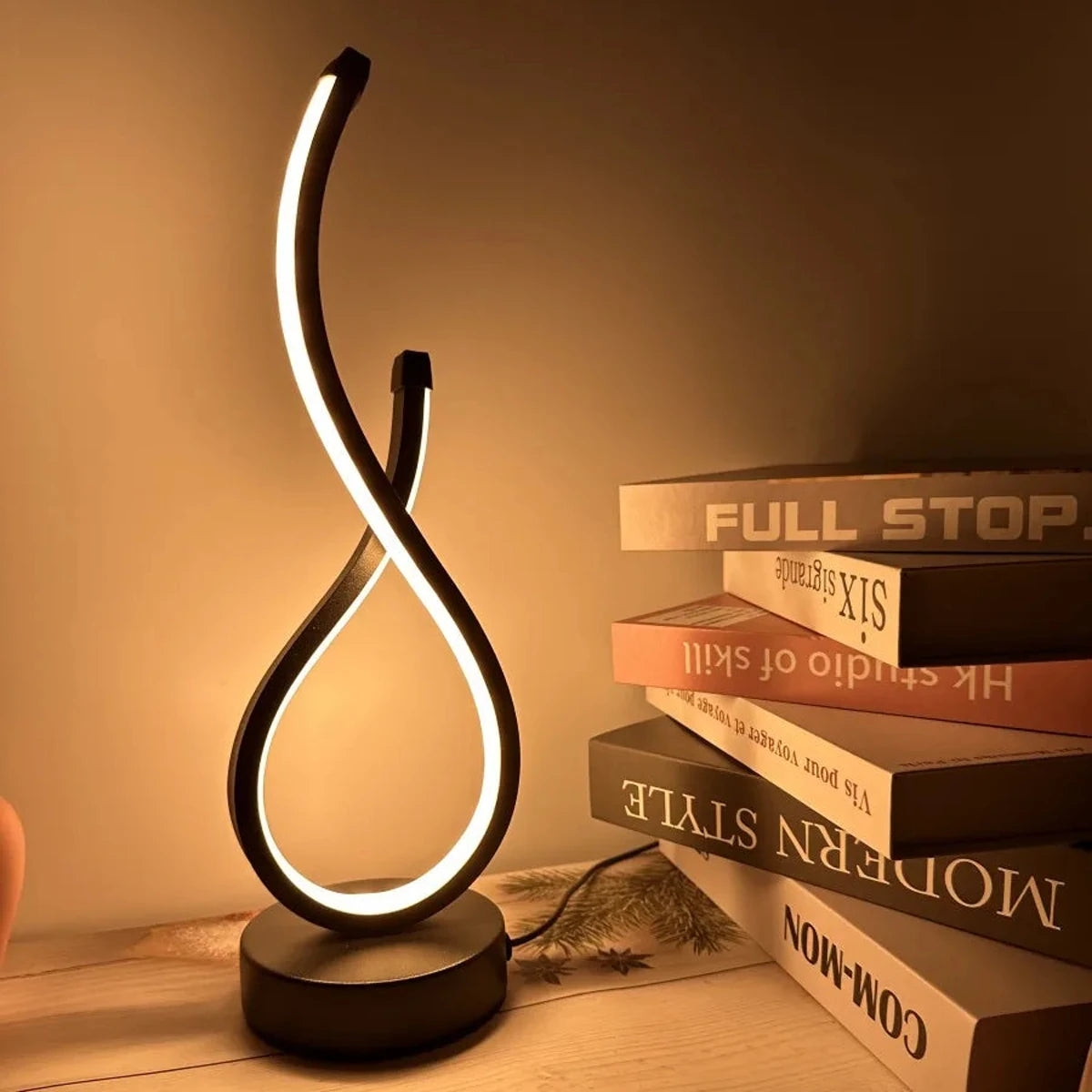
Dimmable lights offer the ultimate flexibility, allowing you to customize your bedroom's brightness and ambiance. The Three-Color Creative Spiral LED Table Lamp is a perfect example, offering dimmable settings and a three-color option, so you can easily switch between a warm, cozy glow and a brighter, cooler light, all while being USB powered for convenience.
Non-Dimmable Lights
Non-dimmable lights keep things simple. You turn them on, and they shine at one set brightness. You do not need any special switches or controls. Just screw in the bulb and flip the switch.
Non-dimmable LED bulbs have basic circuits inside. They cannot change brightness. If you try to use them with a dimmer switch, they might flicker, buzz, or even stop working. Non-dimmable lights cost less and are easy to install. They work well if you do not need to change the light level in your bedroom.
Here’s a table showing what you get with non-dimmable lights:
| Feature/Aspect | Non-Dimmable LED Lights |
|---|---|
| Internal Circuitry | Fixed, no dimming parts. |
| Dimming Methods | Not designed for dimming. |
| Compatibility | Works with regular switches only. |
| Adjustable Features | No brightness or color control. |
| Energy Efficiency & Lifespan | Standard efficiency and lifespan. |
| Application Suitability | Good for Bedroom Lights if you want steady, simple lighting. |
Non-dimmable lights must meet certain standards. For example, they need to give off at least 45 lumens per watt and last at least 10,000 hours. They also need to show colors well, with a color rendering index (CRI) of at least 82. These rules make sure your Bedroom Lights are safe and work well.
Note: Never use a non-dimmable bulb with a dimmer switch. This can damage the bulb and may even be unsafe.
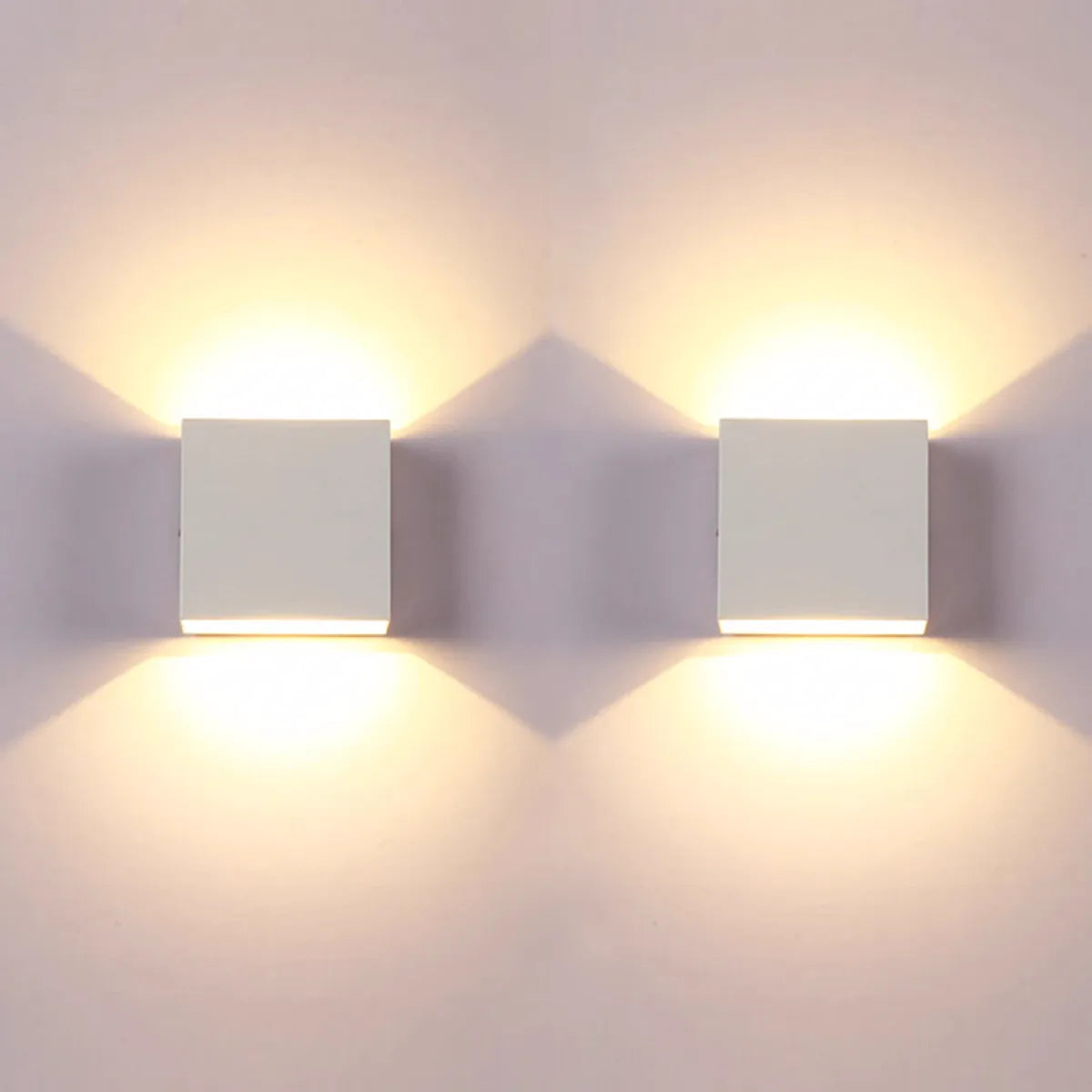
Non-dimmable lights offer straightforward, no-fuss lighting that gets the job done. The Modern Minimalist Square LED Wall Light provides consistent brightness with its sleek aluminum design, featuring up-down lighting that creates a clean, modern look for your bedroom, all with easy installation and no need for complex controls.
Dimmable Lights: Pros
Adjustable Brightness
You get to control how bright your bedroom feels with dimmable lights. Want to read a book? Turn the lights up. Ready to wind down? Lower the brightness for a cozy vibe. This flexibility helps you match the light to your mood or activity. You can set the perfect level for homework, movie night, or just relaxing.
- Set the mood: Bright for getting dressed, soft for bedtime.
- Reduce glare: Lower brightness helps your eyes feel comfortable.
- Personalize your space: Everyone likes a different light level. Dimmable lights let you choose what feels best.
Tip: Try dimming your lights an hour before bed. You might notice you feel calmer and more ready for sleep.
Energy Savings
Dimmable lights help you save energy every day. When you lower the brightness, the bulb uses less power. This means you pay less on your electric bill. You also help the planet by using less electricity.
A study found that using an automatic lighting system with dimming can cut energy use by more than half. The system saved an average of 35 watt-hours compared to regular lights. Even better, people in the study felt just as comfortable and could do their tasks just as well. So, you do not have to give up comfort to save energy.
Here’s a quick look at how dimming affects energy use:
| Brightness Level | Power Used | Energy Saved |
|---|---|---|
| 100% | Full power | 0% |
| 75% | Less power | 25% |
| 50% | Half power | 50% |
| 25% | Very low | 75% |
Lowering your lights even a little can make a big difference over time.
Longer Lifespan
Dimmable bulbs last longer than regular bulbs. When you dim the lights, you put less stress on the bulb. This means it does not wear out as fast. You will not need to change your bulbs as often, which saves you money and time.
- Less heat: Dimmed bulbs stay cooler, so they last longer.
- Fewer replacements: You buy new bulbs less often.
- Better value: Even if dimmable bulbs cost more at first, they pay off in the long run.
If you want lights that last, dimmable bulbs are a smart pick for your bedroom.
Mood and Comfort
Dimmable lights help you create the perfect mood in your bedroom. You can make your room feel bright and lively in the morning. At night, you can dim the lights for a calm and cozy space. This control lets you set the right mood for any activity.
- Want to relax after a long day? Lower the lights for a soft, peaceful glow.
- Need to get ready or clean up? Turn the brightness up so you can see everything clearly.
- Planning a movie night? Dim the lights just enough to see your snacks but keep the screen bright.
You can also use dimmable lights to help your body get ready for sleep. Bright lights can make it hard to wind down. When you dim the lights, your brain knows it is time to relax. This helps you fall asleep faster and wake up feeling better.
Tip: Try using warm, dim light before bed. It can help you feel sleepy and improve your rest.
Dimmable lights make your bedroom feel like your own special place. You get to choose how it looks and feels every day.
Smart Features
Smart dimmable lights take your bedroom to the next level. You can control your lights with your phone, a remote, or even your voice. No need to get out of bed to turn off the lights!
Here are some smart features you might enjoy:
- Remote control: Change the brightness or color from anywhere in your room.
- Scheduling: Set your lights to turn on or off at certain times. Wake up to gentle light or fall asleep as the lights slowly dim.
- Motion sensing: Lights turn on when you walk in and off when you leave.
- Tunable white light: Pick a cool white for energy in the morning or a warm glow at night for relaxation.
Smart dimmable lights use advanced technology like WiFi, Bluetooth, or special dimmer switches. These systems help you save energy and money. LEDs use up to 75% less power than old bulbs. You will also change bulbs less often because they last longer.
Smart lighting does more than save money. It makes your life easier and helps you feel better. You can set the perfect light for reading, relaxing, or sleeping—all with a tap or a voice command.
The market for smart lighting is growing fast. More people choose these systems every year because they offer comfort, health benefits, and long-term savings. You get a better bedroom and a smart investment for your home.
Dimmable Lights: Cons
Higher Cost
You might notice that dimmable lights cost more than regular lights. This higher price comes from the special parts inside the bulbs and the need for a compatible dimmer switch. Digital dimming systems use advanced controllers and complex components. These features give you more control, but they also raise the price.
Here’s a quick look at how the costs compare:
| Feature | Dimmable Lighting | Non-Dimmable Lighting |
|---|---|---|
| Initial Cost | Higher due to specialized controllers and components | Generally lower upfront cost |
| Energy Savings | Can save money over time with adjustable brightness | Less energy efficient |
| Maintenance Cost | Sometimes higher because of complexity | Lower due to simpler design |
You pay more at first for dimmable lights, but you might save money later because they use less energy and last longer. Still, if you want to upgrade your whole bedroom, the upfront cost can be a big factor.
Tip: If you’re on a tight budget, start with dimmable lights in just one area, like your bedside lamps.
Compatibility Issues
Dimmable lights need the right match between bulbs and switches. If you use the wrong type, you might see problems like flickering, buzzing, or lights that don’t dim smoothly. Not every dimmer works with every bulb, especially with LEDs. Some older dimmer switches only work well with incandescent or halogen bulbs.
You might run into these issues:
- Flickering lights when the dimmer and bulb don’t match.
- Buzzing or humming sounds, especially with older dimmers.
- Lights that won’t turn on at low settings.
- Poor dimming range, where the light only dims a little.
You can avoid most of these problems by checking the packaging or asking for help at the store. Look for bulbs and dimmers that say they are compatible with each other. Modern trailing edge dimmers work better with LEDs and help reduce noise.
Always double-check compatibility before you buy. This step saves you time and frustration later.
Installation
Installing dimmable lights is not always as simple as screwing in a bulb. You often need to replace your old switch with a special dimmer switch. This job might require some electrical know-how. If you’re not comfortable working with wires, you may need to hire an electrician.
Here are some common installation challenges:
- Poor wiring or loose connections can cause flickering or even arcing.
- Overheating may happen if you use the wrong dimmer or overload the circuit.
- Incorrect installation, like blocking airflow around the dimmer, can shorten its life.
- Some dimmers need more space in the wall box, which can be tricky in older homes.
If you notice flickering, buzzing, or the dimmer feels hot, turn off the power and check your setup. Sometimes, a simple fix like tightening a wire or choosing a better dimmer can solve the problem.
Dimmable lights give you great control, but they do need a little more care and planning when you set them up. If you want the best results, follow the instructions and use high-quality parts. This way, you’ll enjoy smooth, quiet dimming in your bedroom.
Flicker or Noise
You might notice your dimmable lights flicker or make a buzzing sound. This can happen when the bulb and dimmer switch do not work well together. Flicker means the light blinks or flashes quickly. Noise often sounds like a low hum or buzz. Both can be annoying, especially in a quiet bedroom.
Why does this happen? Dimmable LEDs use special electronics inside. If the dimmer switch does not match the bulb, the power flow gets uneven. This causes the light to flicker or make noise. Older dimmer switches, made for old-style bulbs, often do not work well with new LED bulbs.
Here are some common reasons you might see flicker or hear noise:
- The dimmer switch is too old or not made for LEDs.
- The bulb is not truly dimmable.
- You have too many or too few bulbs on the same switch.
- The wiring in your home is loose or outdated.
Tip: Always check the packaging for both the bulb and the dimmer. Look for labels that say "LED compatible" or "dimmable." If you still notice flicker or noise, try a different brand or ask an expert for help.
Flicker and noise are not just annoying. They can make it hard to relax or sleep. In rare cases, flickering lights can even bother people who get headaches or have sensitive eyes. You want your bedroom to feel calm and peaceful, so it is important to fix these problems if they show up.
Limited Bulb Options
You might find that dimmable bulbs do not come in as many shapes, sizes, or colors as regular bulbs. This can make it harder to match your bedroom style or lighting needs. Some stores only carry a few dimmable options, and they may cost more than non-dimmable bulbs.
Here is what you might notice when shopping for dimmable bulbs:
| Feature | Dimmable Bulbs | Non-Dimmable Bulbs |
|---|---|---|
| Shape Choices | Fewer options | Many options |
| Color Temperatures | Limited selection | Wide selection |
| Price | Usually higher | Usually lower |
| Availability | Sometimes limited | Easy to find |
You may want a special bulb for a reading lamp or a unique fixture. Sometimes, you cannot find a dimmable version that fits. Some dimmable bulbs also do not get as dim as you want, or they only work with certain dimmer switches.
Note: If you have a favorite bulb style or need a special color, check if a dimmable version exists before you buy a new dimmer switch.
Choosing dimmable lights gives you more control, but you might need to spend extra time finding the right bulbs. Always plan ahead so you do not get stuck with lights that do not fit your needs.
Non-Dimmable Lights: Pros
Simplicity
You want bedroom lighting that just works. Non-dimmable lights keep things simple. You flip the switch, and the light turns on. No extra buttons. No confusing settings. You never have to wonder if the bulb will work with your switch. You do not need to read a long manual or watch a video to figure out how to use them.
Many people like this straightforward approach. You get the same brightness every time. You do not have to adjust anything. This makes non-dimmable lights a great choice for kids’ rooms, guest bedrooms, or any space where you want easy lighting.
Tip: If you want a light that anyone can use without instructions, non-dimmable bulbs are the way to go.
Lower Price
You probably notice that non-dimmable bulbs cost less than dimmable ones. The reason is simple. Non-dimmable bulbs have fewer parts inside. They do not need special circuits or extra technology. This makes them cheaper to make and cheaper for you to buy.
Here’s a quick price comparison:
| Bulb Type | Average Price (USD) |
|---|---|
| Non-Dimmable LED | $2 – $4 |
| Dimmable LED | $4 – $8 |
If you need to light up several rooms or want to stick to a budget, non-dimmable bulbs help you save money. You can buy more bulbs for the same price. You also do not need to spend extra on special switches or smart controls.
Note: Lower price does not mean lower quality. Many non-dimmable bulbs last just as long as dimmable ones.
Easy Setup
You do not need to be an electrician to install non-dimmable lights. The setup is quick and easy. Just screw in the bulb and flip the switch. That’s it! You do not have to worry about matching bulbs to switches or checking for compatibility.
Here’s why setup feels so simple:
- No special dimmer switches needed
- No wiring changes required
- Works with almost any standard lamp or fixture
You can swap out old bulbs in minutes. If a bulb burns out, you just replace it with another non-dimmable bulb. You do not need to check labels or worry about flicker or buzzing.
If you want a hassle-free lighting upgrade, non-dimmable bulbs make the job easy. Anyone can do it—no tools or special skills required.
Wide Compatibility
When you pick non-dimmable lights, you get a big advantage: they work almost everywhere. You do not have to worry about special switches or fancy wiring. You can use these bulbs in almost any lamp, ceiling fixture, or wall sconce in your home. This makes your life much easier, especially if you want to swap bulbs between rooms or replace old ones quickly.
Non-dimmable bulbs fit right into most standard light fixtures. You do not need to check for compatibility with dimmers or smart systems. Just screw in the bulb, and you are good to go. This wide compatibility means you can use non-dimmable lights in bedrooms, kitchens, hallways, closets, and even outdoor fixtures.
Here are some places where non-dimmable bulbs shine:
- Table lamps and floor lamps
- Ceiling lights and flush mounts
- Wall sconces and vanity lights
- Closets and utility rooms
- Outdoor porch lights (as long as the bulb is rated for outdoor use)
Tip: If you move to a new house or apartment, you can bring your non-dimmable bulbs with you. They will work with almost any fixture you find there.
You also do not have to worry about the type of switch on your wall. Non-dimmable bulbs work with regular on/off switches, pull chains, and even some timer switches. You do not need to upgrade your electrical system or buy special hardware.
Let’s look at a quick table to see how non-dimmable bulbs compare with dimmable ones when it comes to compatibility:
| Feature | Non-Dimmable Bulbs | Dimmable Bulbs |
|---|---|---|
| Works with all fixtures | ✅ | ❌ (needs dimmer) |
| Needs special switch | ❌ | ✅ |
| Easy to swap bulbs | ✅ | Sometimes tricky |
| Safe for any socket | ✅ | Not always safe |
You can see that non-dimmable bulbs make things simple. You do not have to match bulbs to switches or worry about flicker and buzzing. You just pick the bulb you like and use it wherever you need light.
If you want lighting that just works, non-dimmable bulbs are a safe bet. You get peace of mind knowing your lights will fit and function in almost any spot in your home. That’s why so many people choose them for bedrooms and beyond.
Non-Dimmable Lights: Cons
Fixed Brightness
Non-dimmable lights always shine at the same level. You cannot make them brighter or dimmer. This might sound simple, but it can cause problems in your bedroom. Sometimes you want a bright light to clean or find something. Other times, you want a soft glow to relax or get ready for bed. With non-dimmable lights, you do not get to choose.
A study called “Working in the dark?” looked at how people react to fixed brightness. The researchers found that when you cannot change the light, your eyes can get tired faster. Some people even react slower when the light is too bright or too dim for what they are doing. The study also showed that everyone reacts differently. Some people feel fine, but others get uncomfortable or distracted. Eye movement tests showed that discomfort can start before you even notice it. So, fixed brightness can make you less comfortable and even slow you down.
Tip: If you often feel tired or distracted under your bedroom lights, the fixed brightness could be the reason.
Less Energy Efficient
Non-dimmable lights use the same amount of power every time you turn them on. You cannot lower the brightness to save energy. This means you might use more electricity than you need, especially if you leave the lights on for a long time.
Let’s look at a quick comparison:
| Lighting Type | Can Lower Power Use? | Typical Energy Savings |
|---|---|---|
| Dimmable | Yes | Up to 75% |
| Non-Dimmable | No | None |
If you want to save on your electric bill, non-dimmable lights might not help much. You pay for full brightness, even when you do not need it. Over time, this can add up, especially if you have several lights in your bedroom.
You can save more energy by switching to dimmable bulbs or using lights only when you need them.
No Mood Control
Lighting does more than help you see. It also affects how you feel. With non-dimmable lights, you cannot change the mood in your bedroom. The light stays the same, no matter if you want to relax, read, or get ready for sleep.
Studies show that warm, soft lighting helps you feel calm and cozy. This is great for bedrooms. Bright, cool lighting wakes you up and helps you focus, which works better in offices or kitchens. One review found that the color and strength of your lights can change your mood and even your sleep. When your lights match the natural day-night cycle, you feel better and sleep better.
Another study looked at older adults and found that fixed lighting, when set to follow natural patterns—bright and cool in the morning, warm and dim at night—improved mood and thinking skills. But if the light stayed the same all day, people did not feel as good. The right lighting at night also helped people think more clearly and feel happier.
If you want your bedroom to feel relaxing at night and energizing in the morning, you need lights that let you control the mood. Non-dimmable lights just cannot do that.
No Smart Features
Have you ever wanted to control your bedroom lights with your phone or voice? Maybe you like the idea of setting a timer so your lights turn off when you fall asleep. With non-dimmable lights, you miss out on all these smart features. These bulbs just turn on and off. That’s it. You can’t dim them, change their color, or connect them to smart home systems.
Smart lighting is everywhere now. You see ads for bulbs that work with Alexa, Google Home, or your smartphone. These smart bulbs let you set scenes, schedule timers, and even change the mood with a tap or a voice command. But here’s the catch: almost all smart lighting features need dimmable bulbs and special switches. Non-dimmable lights just don’t have the right parts inside to make this magic happen.
Let’s break down why non-dimmable lights can’t join the smart lighting party:
- Non-dimmable LEDs can flicker or even fail if you try to adjust their brightness with a smart dimmer.
- They don’t respond to remote controls or apps that change brightness or color.
- If you try to use them with smart dimmer switches, you might hear buzzing or see the lights act weird.
- Smart features like Wi-Fi, Bluetooth, and DALI dimming systems only work with dimmable bulbs and compatible dimmers.
- Non-dimmable bulbs can’t pass the tests for smart lighting. They lack the hardware needed for remote control, scene programming, or automation.
Tip: If you want to wake up to gentle light or set the mood for movie night, you’ll need dimmable smart bulbs.
You might wonder why these bulbs can’t just “work” with smart systems. The answer is simple. Non-dimmable bulbs don’t have the circuits or chips needed for smart features. They can’t talk to your phone or smart speaker. They can’t remember your favorite settings or change brightness on command. When you flip the switch, they just turn on or off—nothing more.
Here’s a quick table to show what you get (and what you miss) with non-dimmable lights:
| Feature | Non-Dimmable Bulbs | Dimmable Smart Bulbs |
|---|---|---|
| App or Voice Control | ❌ | ✅ |
| Scene Programming | ❌ | ✅ |
| Remote Dimming | ❌ | ✅ |
| Color Changing | ❌ | ✅ |
| Automation (Timers, etc) | ❌ | ✅ |
If you want your bedroom lights to do more than just turn on and off, non-dimmable bulbs will leave you disappointed. You can’t set the mood, save energy with schedules, or enjoy the fun of smart home tech. For a truly modern bedroom, you’ll want to look at dimmable smart bulbs instead.
Safety and Compatibility
Using Dimmable Bulbs in Non-Dimmable Fixtures
You might wonder if you can use a dimmable bulb in a regular, non-dimmable fixture. The good news is, you can! Dimmable bulbs work just fine in standard on/off fixtures. They simply light up at full brightness, just like a regular bulb. You do not need to worry about special switches or extra wiring.
Here’s what you get when you use a dimmable bulb in a non-dimmable fixture:
- The bulb turns on and off like any other bulb.
- You do not get dimming features, but you do not risk damage.
- You can swap out the bulb later if you upgrade to a dimmer switch.
Tip: If you plan to upgrade your bedroom lighting in the future, starting with dimmable bulbs makes sense. You will not need to buy new bulbs when you add a dimmer.
Risks of Non-Dimmable Bulbs on Dimmers
Using non-dimmable bulbs with a dimmer switch can cause real problems. Non-dimmable LEDs are not built for the changing power that dimmers send. This mismatch can lead to annoying and sometimes unsafe results.
Here’s what can happen if you use non-dimmable bulbs on a dimmer:
- Flickering: The light may blink or flash quickly, which can be distracting.
- Buzzing or Humming: You might hear strange noises from the bulb or switch.
- Reduced Lifespan: The bulb can burn out much faster than normal.
- Inconsistent Performance: The light may turn off by itself or not reach full brightness.
- Insufficient Power: Some bulbs may not light up at all, especially at lower settings.
- Electrical Noise: You could notice interference with other electronics or more buzzing.
These problems happen because non-dimmable bulbs cannot handle the way dimmers change the flow of electricity. You risk damaging both the bulb and the dimmer switch. Always check the packaging before you install a bulb on a dimmer.
Note: If you see flickering or hear buzzing, turn off the light and replace the bulb with a dimmable one.
Checking Compatibility
Before you install new bulbs or switches, take a few steps to make sure everything will work safely together. You do not want to deal with flickering lights or burned-out bulbs.
Follow this checklist to check compatibility:
1. Identify your bulb type. Make sure your bulb matches your switch. LEDs need LED-compatible dimmers. 2. Check the wattage. Your bulbs should not go over the dimmer’s wattage rating. 3. Look at your home wiring. Make sure you have the right wires for the dimmer and fixture. 4. Test one fixture first. Install a dimmer and bulb on a single light to see if it works smoothly. 5. Turn off the power at the breaker before you start. Always follow the instructions from the manufacturer.
Safety First: If you are not sure about wiring or compatibility, ask an electrician for help. It is better to be safe than sorry!
By checking these things, you keep your bedroom lights safe and working well. You also avoid annoying problems like flicker, buzzing, or early bulb failure.
Choosing Bedroom Lights
Room Size
Room size plays a big role in picking the right lights. A small bedroom needs less light than a large one. If your room is big, you might notice dark corners or shadows with just one ceiling light. You can fix this by using layered lighting. Start with ambient lighting, like a ceiling fixture, to give the whole room a soft glow. Add task lighting, such as bedside lamps, for reading or homework. Accent lights, like LED strips or spotlights, can highlight artwork or special features.
Measure your room before you shop for lights. Think about where you need the most brightness. Bedrooms usually need between 100 and 200 lux for general lighting. If you have a reading nook, aim for up to 400 lux in that spot. Choose fixtures with a wide beam angle for even coverage. Warm color temperatures (2700K-3000K) help your room feel cozy and relaxing. High CRI bulbs (90+) make colors look true, which helps when picking out clothes.
Tip: Use dimmer switches or smart controls to adjust the light level based on your needs and the time of day.
Activities
Think about what you do most in your bedroom. Do you read before bed? Get dressed in the morning? Watch TV or play games? Each activity needs a different kind of light. For reading, you want a focused lamp that shines directly on your book. For getting dressed, you need bright, even light so you can see colors clearly. If you like to relax or watch movies, softer lighting works best.
Try to match your lights to your habits. Place task lights near your bed or desk. Use accent lights to make your space feel special. If you share your room, consider separate circuits for bedside lamps. This way, each person can control their own light. Smart Bedroom Lights let you set scenes for different activities, like "reading," "relaxing," or "waking up."
- Use ambient light for general tasks.
- Add task lights for reading or studying.
- Try accent lights for a cozy mood.
Budget
Your budget matters when choosing lights. Dimmable and smart lights cost more at first, but they can save money over time. Non-dimmable bulbs are cheaper and easy to install. If you want to upgrade slowly, start with one area, like your bedside lamp. Look for energy-efficient LED bulbs to keep your electric bill low.
Make a list of what you need most. Decide where to spend more and where to save. Sometimes, spending a little extra on high-quality bulbs pays off because they last longer and use less power. If you plan to add smart features later, choose fixtures that work with both regular and smart bulbs.
Note: You do not have to buy everything at once. Add new lights as your needs and budget allow.
Future Upgrades
When you think about your bedroom lighting, it helps to look ahead. Maybe you want to add smart features later. Maybe you plan to change your room’s style or move to a new place. Planning for future upgrades saves you time, money, and stress.
Start by asking yourself a few questions:
- Do you want to control your lights with your phone or voice in the future?
- Are you thinking about adding more lamps or changing your room layout?
- Will you want to change the mood or color of your lights as your needs change?
If you answered yes to any of these, you should pick lighting that can grow with you. Here’s how you can plan for easy upgrades:
-
Choose Compatible Fixtures
Pick light fixtures that work with both regular and smart bulbs. Many modern fixtures support both dimmable and non-dimmable bulbs. This gives you more options if you want to upgrade later. -
Install Dimmer Switches
Even if you use regular bulbs now, installing dimmer switches prepares your room for dimmable or smart bulbs in the future. You won’t need to rewire or call an electrician again. -
Go for Smart-Ready Bulbs
Some bulbs work as regular lights but can connect to smart systems when you’re ready. Look for bulbs that say “smart-ready” or “WiFi-compatible” on the box. -
Use Modular Lighting
Modular lighting lets you add or remove lights easily. Track lighting and plug-in lamps are good choices. You can move them around or add more as your needs change. -
Think About Color and Style
Pick neutral colors and simple designs for your fixtures. These styles match many room themes. If you redecorate, you won’t need to buy new lights.
Tip: Keep the boxes and manuals for your lights and switches. If you upgrade later, you’ll have all the info you need.
Here’s a quick table to help you plan for upgrades:
| Upgrade Option | Easy to Add Later? | Needs Planning Now? |
|---|---|---|
| Smart Bulbs | Yes | Yes |
| Dimmer Switches | Sometimes | Yes |
| Extra Fixtures | Yes | No |
| Color Changing | Yes | Yes |
If you want to make your room smarter or more flexible, plan ahead. You don’t have to do everything at once. Start with one lamp or switch. Try out new features and see what you like. Over time, you can build a lighting setup that fits your life.
Planning for future upgrades means you won’t get stuck with lights that limit your choices. You’ll enjoy more comfort, style, and control as your needs change.
Tips for Bedroom Lighting
Layering Light
You can make your bedroom feel cozy and functional by layering different types of light. This means you use more than one light source to meet all your needs. Here’s a simple way to get started:
- Let in natural light. Use sheer curtains during the day to let sunlight fill your room. Blackout curtains help you sleep better at night.
- Start with ambient lighting. Ceiling fixtures or recessed lights give you a soft, even glow. This is your base layer.
- Add task lighting. Place reading lamps by your bed or a bright light near your desk. These help you see clearly when you need to focus.
- Use accent lighting. Wall sconces or LED strips can highlight your favorite art or a cool part of your room. This adds depth and makes your space interesting.
- Balance the brightness. Avoid dark corners or spots that are too bright. Try using dimmers to adjust the light for different times of day.
Tip: Mix warm and cool light. Use warmer bulbs for relaxing and cooler ones for tasks like reading or homework.
A layered approach helps you avoid harsh shadows and gives you control over the mood in your bedroom. You can change the lighting to fit any activity, from studying to winding down before bed.
Smart Controls
Smart controls make your bedroom lighting easy and efficient. You can use motion sensors, timers, or even your phone to manage your lights. When you walk into your room, a motion sensor can turn the lights on for you. If you leave, the lights turn off by themselves. Timers help you set a schedule, so your lights only stay on when you need them.
Smart lighting systems can also adjust the brightness and color based on what you’re doing. Some systems use sensors to check how much light is already in the room. If it’s sunny outside, your lights stay off. At night, they turn on just enough to help you see. This saves energy and makes your room more comfortable.
Smart controls help you save money and make life easier. You don’t have to remember to turn off the lights—your bedroom does it for you!
Maintenance
Keeping your bedroom lights in good shape is simple if you follow a few easy steps:
- Dust your fixtures. Clean lamps and bulbs every few weeks. Dust can make your lights look dimmer.
- Check your bulbs. Replace any that flicker or look dim. Always use the right type for your fixture.
- Test your switches. Make sure dimmers and smart controls work smoothly. If you notice buzzing or flickering, check for loose wires or try a different bulb.
- Update your setup. If you add new lights or smart features, read the instructions. Keep the manuals in a safe place.
Note: Regular maintenance keeps your bedroom bright, safe, and comfortable. A little care goes a long way!
FAQ
Can you use dimmable bulbs in any light fixture?
Yes, you can use dimmable bulbs in regular fixtures. They work like normal bulbs if you do not have a dimmer switch. You will not get dimming features, but the bulb will still light up just fine.
What happens if you put a non-dimmable bulb on a dimmer switch?
You might see flickering, buzzing, or the bulb may burn out quickly. Non-dimmable bulbs are not made for dimmers. Always check the packaging before you install a bulb on a dimmer switch.
Are dimmable lights more energy efficient?
Yes! When you dim the lights, they use less power. This can help lower your electric bill. Dimmable LED bulbs save the most energy, especially if you keep them at lower brightness.
Do dimmable lights last longer than non-dimmable ones?
Dimmable bulbs often last longer because dimming reduces stress and heat. Less heat means less wear on the bulb. You will not need to replace them as often if you use the dimming feature.
Can you control dimmable lights with your phone?
You can control many dimmable smart bulbs with your phone or voice. Look for bulbs that say “smart” or “WiFi” on the box. You can set timers, change brightness, and even pick colors with some models.
Are dimmable lights safe for kids’ bedrooms?
Yes, dimmable lights are safe for kids’ rooms. You can set them low at night for a gentle glow. Just make sure you use the right dimmer switch and bulbs to avoid flicker or buzzing.
How do you know if a bulb is dimmable?
Check the box or the bulb itself. It should say “dimmable” somewhere. If you do not see this word, the bulb is probably not dimmable. Ask a store worker if you are not sure.
Do non-dimmable lights come in different colors?
Yes, you can find non-dimmable bulbs in warm white, cool white, and daylight colors. You cannot change the color with a switch, but you can pick the one you like best when you buy the bulb.
Conclusion
In conclusion, choosing between dimmable and non-dimmable bedroom lights comes down to your personal preference for flexibility and control. Dimmable lights offer versatility for adjusting ambiance and functionality, while non-dimmable lights provide simplicity and reliability. Consider your space and lighting needs to find the perfect balance for your bedroom.
Further Reading
Explore the full guide for this topic: Bedroom Lights: The Complete Guide to Choosing the Right Lighting for Every Bedroom
Related Articles
- How to Choose Bedroom Lights Based on Room Layout
- Smart Bedroom Lights vs. Traditional Bedroom Lights: Pros, Cons & Expert Tips
- Battery-Powered vs. Wired Bedroom Lighting: 9 Key Differences
- Recessed Lighting vs. Pendant Lighting: Which Is Better for Bedrooms?
- LED Strip Lights vs. Fairy Lights for Bedroom Decoration
- Lamps vs. Overhead Lighting in Bedrooms: 10 Key Questions Answered


















 />
/>
 />
/>
 />
/>
 />
/>
 />
/>