

Integrating Portable and Built-In Lighting for a Clutter-Free Bedroom Design
Table of Contents
- Why Lighting Design Matters in a Clutter-Free Bedroom
- What Is Portable Lighting and Why Does It Matter?
- Built-In Lighting: The Secret Weapon for Minimalist Bedrooms
- How to Combine Portable and Built-In Lighting Seamlessly
- Regional Design Tips: U.S. Bedroom Lighting Trends
- Lighting Control: Smart Systems for a Clutter-Free Setup
- Maintenance and Safety Tips
- Designing for the Future: Sustainability and Longevity
- FAQs: Integrating Lighting in Clutter-Free Bedrooms
- Conclusion
Why Lighting Design Matters in a Clutter-Free Bedroom
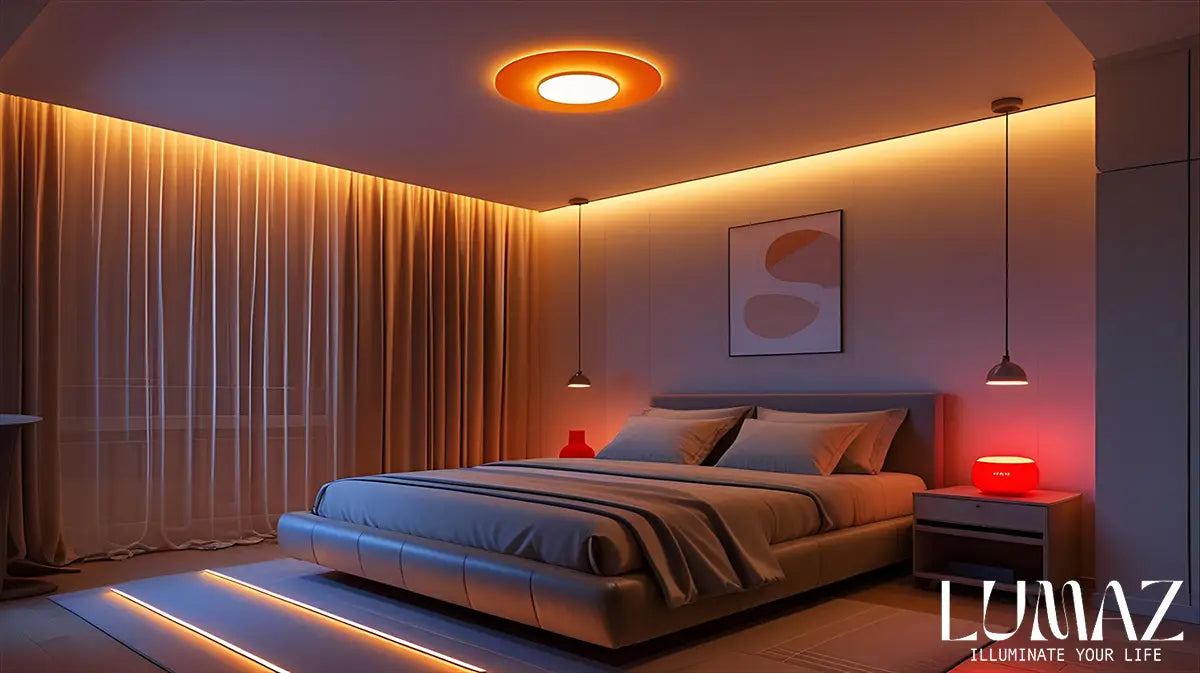
Lighting is more than just a tool for visibility—it’s a core element of spatial perception and ambiance. In modern bedroom design, where minimalism and functionality reign supreme, lighting becomes a silent architect. Whether you live in a compact city apartment in New York or a spacious suburban home in Austin, integrating the right lighting can dramatically affect how large, calm, and organized your room feels.
The Psychological Power of Light
Numerous studies confirm that well-planned lighting directly influences mood, focus, and sleep quality. According to NIH research, lighting impacts circadian rhythms, stress levels, and overall mental clarity—making it critical to bedroom wellness. Poor lighting leads to clutter not just visually, but psychologically.
Clutter vs. Space: The Visual Game
Strategic lighting reduces visual noise. Recessed lights, sconces, and slim portable lamps open up pathways, clear surfaces, and highlight architectural strengths instead of overwhelming them with bulky fixtures.
💬 “We swapped out our two table lamps for a wall-mounted lighting pair. Suddenly, the nightstands felt twice as big—and the room breathed easier.” – A customer in Seattle, WA
Lighting as Functional Decor
In clutter-free design, every element must serve double duty. Lighting not only sets the mood but also becomes a feature—sculptural, clean-lined, and intentional. Pairing built-in lights with portable options allows flexibility without compromising on style or space.
What Is Portable Lighting and Why Does It Matter?
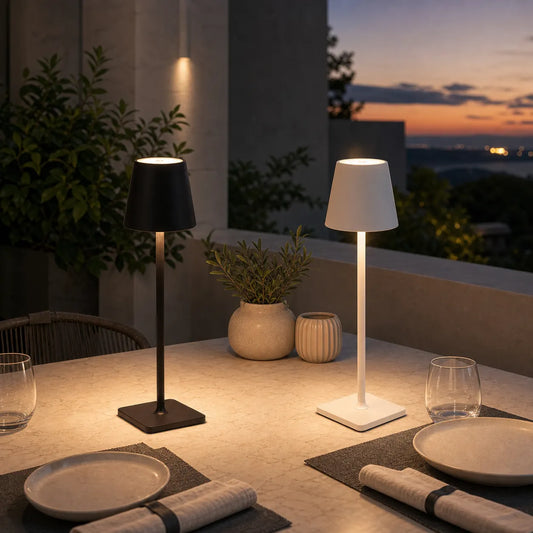
Portable lighting refers to fixtures that aren’t hardwired or permanently mounted. Think plug-in sconces, floor lamps, table lamps, clip lights, and rechargeable LED lanterns. These are ideal for renters, students, and design enthusiasts who frequently rearrange furniture or redecorate seasonally.
Key Features of Portable Lighting
- Mobility: Easy to move and reposition without technical skills.
- Affordability: Generally less expensive than hardwired options.
- Versatility: Can suit multiple functions and moods with ease.
- Personalization: Styles range from minimalist to vintage to ultra-modern.
Popular Portable Lighting Options
| Lighting Type | Ideal For | Best Placement | Power Source |
|---|---|---|---|
| Rechargeable Table Lamps | Reading, ambient glow | Nightstands, desks | USB/Rechargeable battery |
| Clip-On LED Lights | Task lighting | Headboards, shelves | Plug-in or USB |
| Plug-in Wall Sconces | Accent lighting | Above bedsides or artwork | Standard plug |
| Portable Floor Lamps | General room lighting | Corners, behind furniture | Plug-in |
💡 “I travel a lot for work and rent short-term apartments. My portable lamp collection is a lifesaver—it brings personality without making holes in the wall.” – A remote worker from San Diego, CA
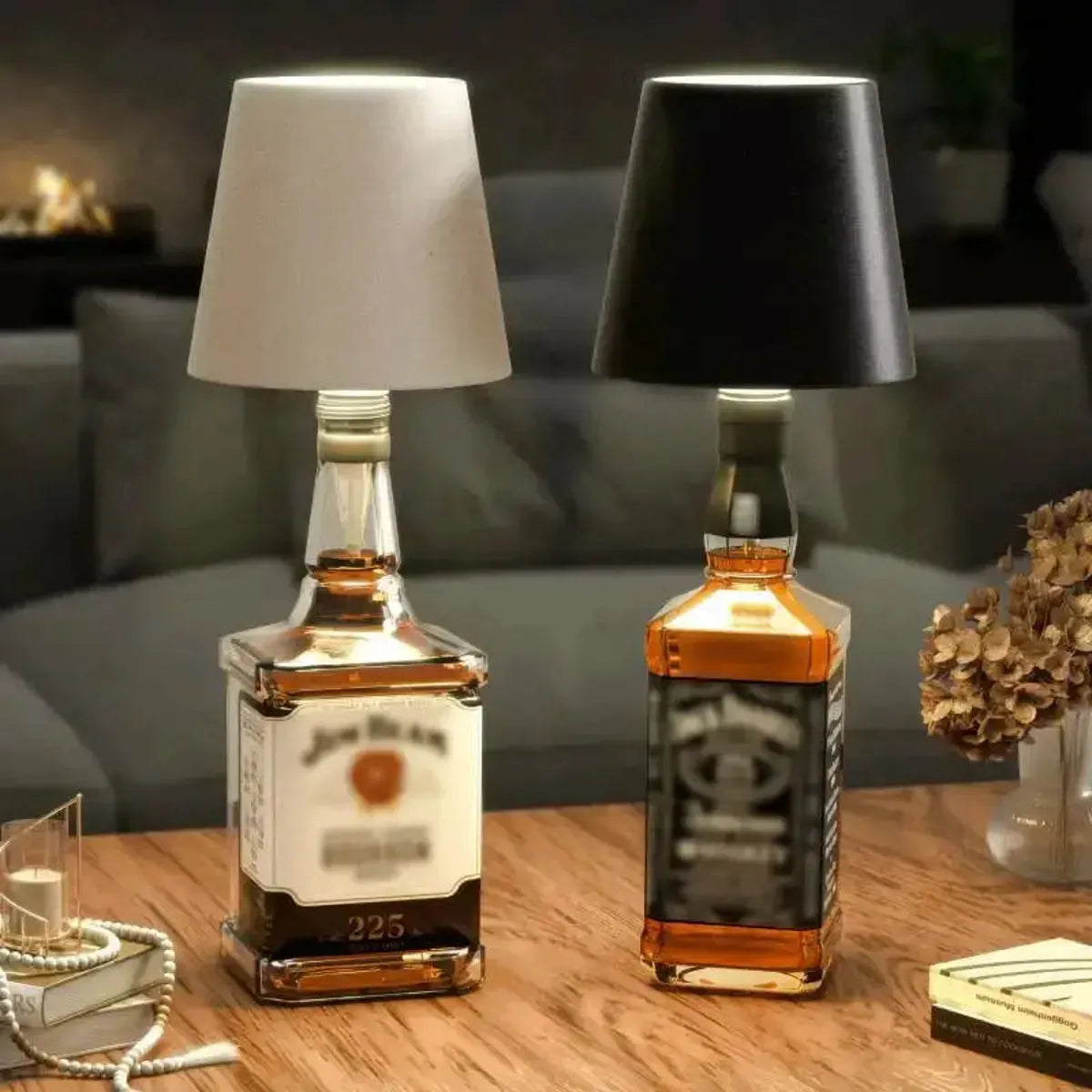
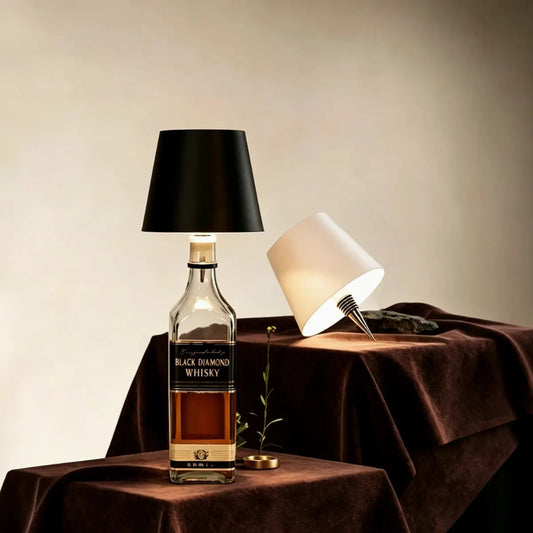
Portable lighting is a game-changer for those who love flexibility, allowing you to easily rearrange and redecorate without being tied to permanent fixtures. The Creative LED Bottle Table Lamp is an excellent example, offering a portable headlight with dimmable settings that you can place on any bottle to create a unique, customized light. USB rechargeable, it provides both convenience and style, making it the perfect addition for renters or those who enjoy changing their bedroom layout.
Built-In Lighting: The Secret Weapon for Minimalist Bedrooms
Built-in lighting includes hardwired or permanently mounted fixtures like recessed ceiling lights, cove lighting, integrated LED strips, or under-bed lighting. These options free up space and eliminate the need for floor or surface-based light sources.
Advantages of Built-In Lighting
- Clutter Reduction: Frees up tables, floors, and walls.
- Customized Design: Can be tailored to architecture and usage needs.
- Energy Efficient: Integrated LEDs use less power and last longer.
- Smart Integration: Works seamlessly with dimmers and smart home systems.
Top Built-In Lighting Ideas
- Recessed Ceiling Lights: Clean, versatile, and perfect for general lighting.
- LED Cove Lighting: Great for creating ambient mood above headboards or ceilings.
- Integrated Bed Frame Lights: Offers soft glow that doubles as a night light.
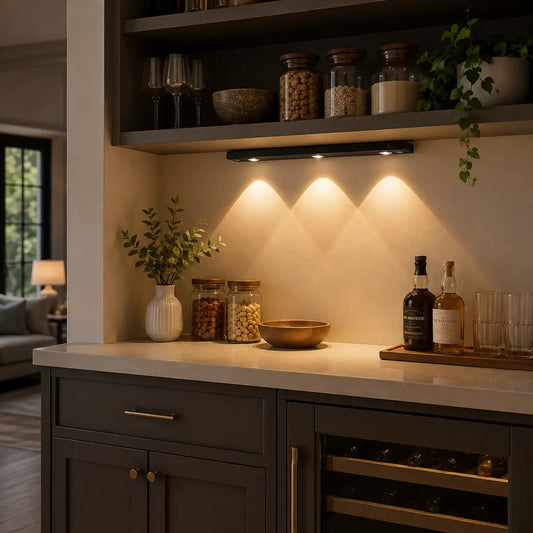
- Under-Shelf Strip Lights: Adds task lighting for reading nooks or closets.
According to data from the U.S. Department of Energy, built-in LED lighting systems can reduce bedroom energy consumption by up to 70% compared to traditional incandescent options, making it both a style and sustainability win.
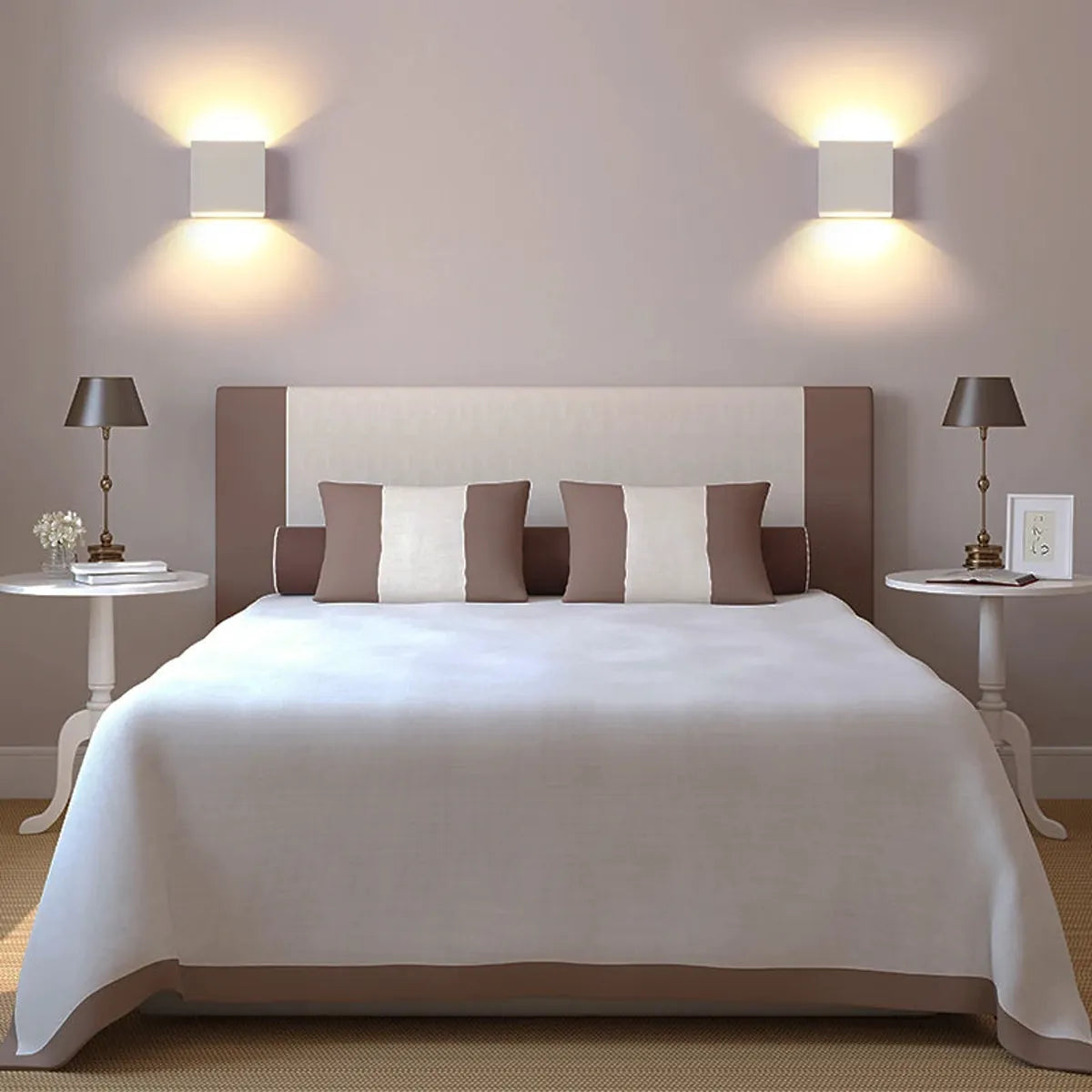
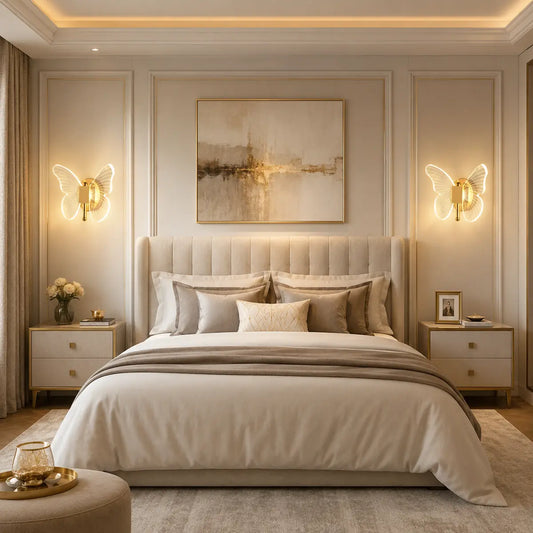
For minimalist bedrooms, built-in lighting is key to maintaining a clean, uncluttered look while still offering efficient illumination. The Modern Minimalist Square LED Wall Light is perfect for this, with its sleek aluminum body and up-down lighting that seamlessly integrates into your space. At just 6W, it provides subtle, ambient light without taking up any floor or surface space, making it an ideal solution for a streamlined, modern bedroom.
How to Combine Portable and Built-In Lighting Seamlessly
Instead of choosing one type over the other, the most efficient bedroom lighting design marries both. Portable fixtures provide flexibility and ambiance; built-ins offer structure and control. The key is thoughtful layering.
The Three-Layer Lighting Strategy
- Ambient: Use built-in recessed or cove lighting for general illumination.
- Task: Add clip-ons or plug-in sconces for reading or working in bed.
- Accent: Use portable table or floor lamps to highlight art or add warmth.
Planning for Balance and Style
- Match color temperatures: Use warm white (2700K–3000K) for consistency.
- Coordinate finishes: Choose similar materials or hues for unity.
- Control intensity: Use smart plugs or dimmers to adjust brightness by activity.
- Think proportions: Avoid large lamps in small rooms and vice versa.
Regional Design Tips: U.S. Bedroom Lighting Trends
Different regions in the U.S. show unique preferences and environmental considerations when it comes to lighting.
- California: Emphasizes energy-efficient built-ins due to strict Title 24 lighting codes.
- New York City: Prioritizes space-saving plug-in sconces and multi-use lighting for tight apartments.
- Texas: Loves grander fixtures like chandeliers with built-in dimmers in spacious master bedrooms.
- Pacific Northwest: Focuses on warm, layered lighting to combat cloudy weather and support mental wellness.
Lighting Control: Smart Systems for a Clutter-Free Setup
Smart lighting not only adds convenience but eliminates the need for physical switches and visible cords. Options include:
- Voice control: Integrate with Alexa, Google Home, or Apple HomeKit.
- App timers: Automate wake-up or sleep modes.
- Motion sensors: Perfect for under-bed or closet lighting to save energy.
Modern systems like Lutron Caséta or Philips Hue allow users to create personalized “scenes” that align with their daily routine—no cluttered controls needed.
Maintenance and Safety Tips
- Use surge protectors for portable plug-in lights to prevent electrical hazards.
- Regularly dust recessed lights and LED strips to maintain output.
- Secure all cords using cable clips or under-carpet channels.
- Check fire ratings for built-in fixtures, especially in older homes.
Designing for the Future: Sustainability and Longevity
Opting for energy-efficient lighting is no longer a luxury—it’s a necessity. Many U.S. cities are implementing green building codes that require or incentivize LED usage and smart systems. Choosing lighting with replaceable parts, recyclable materials, and Energy Star certification ensures long-term value.
Remember, clutter-free doesn’t mean sterile. Lighting gives you the chance to show personality while staying organized and eco-conscious.
FAQs: Integrating Lighting in Clutter-Free Bedrooms
1. What’s the best lighting layout for a small bedroom?
For a small bedroom, a layered approach works best. Use a flush-mount ceiling light or recessed lighting as ambient sources. Add a pair of wall-mounted sconces near the bed to free up nightstand space. Portable table lamps can be reserved for reading nooks or desks. Avoid bulky floor lamps or pendant lights unless the ceiling height allows it. LED strip lights under shelves or beds add functionality without occupying space.
2. Can I use smart lighting without rewiring my bedroom?
Yes, you can use smart plugs, bulbs, and switch covers that work with Wi-Fi or Bluetooth. These allow remote control, dimming, and automation without needing to rewire. Products like Philips Hue, TP-Link Kasa, and Lutron plug-in dimmers are great options. You simply plug your existing lights into these systems and gain full smart control using apps or voice assistants.
3. What color temperature is ideal for a relaxing bedroom?
A warm white color temperature between 2700K and 3000K is ideal for bedrooms. This mimics the soft glow of sunrise and sunset, which naturally promotes relaxation and melatonin production. Cooler lights (above 4000K) are better suited for task lighting but can disrupt sleep when used excessively in bedrooms.
4. Are plug-in sconces safe to use long-term?
Yes, as long as they are UL-listed and installed according to manufacturer guidelines. Ensure the cord is secured and not a tripping hazard. Many modern plug-in sconces come with adjustable arms and built-in cable management to improve safety and appearance. They’re a great option for renters or those who want flexibility without drilling.
5. How can lighting help make my bedroom look bigger?
Proper lighting can visually expand a room by eliminating shadows and creating a sense of depth. Use wall washers, uplights, and under-bed lighting to reflect off surfaces and ceilings. Keeping lighting fixtures slim and off the floor also opens up visual space. Mirrors paired with lighting enhance brightness and spatial perception.
6. What’s the best lighting combination for a shared bedroom?
In shared spaces, independent control is key. Use dual sconces or separate lamps with dimmers so each person can control their side. Install a central ceiling fixture on a separate switch to offer ambient lighting without disturbing a sleeping partner. If smart lighting is used, individual profiles can be created to adjust color and brightness for different users.
Conclusion
A clutter-free bedroom relies on lighting that is both intentional and adaptable. By thoughtfully combining built-in lighting for structure and atmosphere with portable lighting for flexibility and personal comfort, you can create a space that feels calm, functional, and future-ready. Smart controls, region-aware design choices, and long-term sustainability considerations ensure that your lighting setup evolves with your lifestyle—without adding visual or physical clutter. In the end, great bedroom lighting isn’t about more fixtures, but about smarter integration.
Further Reading
Explore the full guide for this topic: Bedroom Lighting Design Guide: Style, Mood, and Atmosphere Explained
Related Articles
- Bedroom Lighting Ideas: Layered Lighting Plans for Different Bedroom Sizes
- Top Bedroom Lighting Trends: Styles, Materials & Smart Innovations
- How to Layer Bedroom Lighting Like a Pro: Creating Ambiance and Functionality
- Layered Lighting Techniques: How to Combine Overhead, Task, and Accent Lights in Bedrooms
- Maximizing Small Bedroom Space with Wall Sconces and Swinging Lights














 />
/>
 />
/>
 />
/>
 />
/>
 />
/>