

Layered Lighting Techniques: How to Combine Overhead, Task, and Accent Lights in Bedrooms
Table of Contents
- Introduction: The Art and Science of Layered Lighting in Modern Bedrooms
- Understanding the Principles of Layered Lighting
- Overhead Lighting: Foundation of Bedroom Illumination
- Task Lighting: Precision for Daily Routines
- Accent Lighting: Adding Depth and Character
- Layered Lighting Design Process: Step-by-Step Approach
- Smart Lighting and Automation Trends for 2026
- Color Temperature and Dimming: Shaping Mood and Function
- Common Mistakes and How to Avoid Them
- Case Studies: Layered Lighting Success Stories Across the U.S.
- GEO Optimization: Regional Lighting Regulations and Considerations
- Maintenance, Upgrades, and Sustainability
- FAQ: Layered Lighting in Bedrooms for 2026
- Conclusion: Elevate Your Bedroom with Layered Lighting in 2026
Introduction: The Art and Science of Layered Lighting in Modern Bedrooms

Creating the perfect bedroom atmosphere in 2026 is more than just picking out a stylish lamp or installing a chic chandelier. It’s about mastering the art of layered lighting—an intentional combination of overhead, task, and accent lights tailored to your space, your region, and your lifestyle. As homes become smarter and design trends evolve, homeowners and professionals alike are prioritizing lighting solutions that deliver comfort, function, and visual harmony.
In this definitive guide, we’ll delve into cutting-edge layered lighting techniques, explore practical applications for various bedroom styles, and reveal expert strategies for combining overhead, task, and accent lights. Whether you’re renovating a city loft in New York, refreshing a suburban master bedroom in Dallas, or designing a cozy retreat in the Pacific Northwest, this guide is your roadmap to lighting success in 2026.
Understanding the Principles of Layered Lighting
What is Layered Lighting?
Layered lighting involves blending multiple types of light sources to create a balanced, flexible, and visually engaging space. In bedrooms, this means thoughtfully integrating:
- Overhead lighting: Central fixtures that provide general illumination, such as ceiling-mounted lights or pendant lamps.
- Task lighting: Focused lighting for specific activities, like reading lamps, desk lights, or vanity sconces.
- Accent lighting: Decorative or mood-setting lights that highlight features, art, or architectural details, such as LED strips or picture lights.
Why Layered Lighting Matters in Bedrooms
Bedrooms serve as havens for rest, work, and relaxation. The right lighting can:
- Promote restful sleep by enabling gradual light transitions
- Support routines like reading, dressing, or working from home
- Enhance architectural features and showcase personal décor
- Increase property value and energy efficiency
Expert Insight
According to the U.S. Department of Energy, integrating energy-efficient layered lighting can reduce household lighting costs by up to 75% while improving ambiance and comfort.
Overhead Lighting: Foundation of Bedroom Illumination
Types of Overhead Lighting Fixtures
Overhead lighting is the starting point for any bedroom lighting plan. Popular options in 2026 include:
- Flush and semi-flush mounts: Ideal for rooms with lower ceilings, offering even light distribution.
- Pendant lights: Stylish and versatile, suitable for higher ceilings or as statement pieces above beds.
- Chandeliers: Add elegance and a sense of luxury, particularly in larger master suites.
- Recessed lighting: Sleek and unobtrusive, often used in contemporary designs.
Choosing the Right Fixture for Your Region
Climate and regional styles play a role in fixture selection:
- In humid coastal areas (e.g., Miami, Charleston), opt for corrosion-resistant finishes and moisture-rated fixtures.
- In urban apartments (e.g., New York City, Chicago), maximize brightness with LED flush mounts and integrated dimming controls.
- For mountain or lodge-style homes (e.g., Denver, Seattle), natural materials like wood or wrought iron complement rustic décor.
Table: Comparison of Overhead Lighting Options
| Fixture Type | Best For | Energy Efficiency | Maintenance | Regional Suitability |
|---|---|---|---|---|
| Flush/Semi-flush Mounts | Low ceilings, modern spaces | High (LED) | Easy | Urban, Suburban |
| Pendant Lights | High ceilings, focal points | Medium-High | Medium | Coastal, Contemporary |
| Chandeliers | Large bedrooms, luxury | Medium | Moderate | Luxury, Rustic |
| Recessed Lighting | Sleek designs, low profile | High (LED) | Low | Modern, Minimalist |
Expert Tip
Always install a dimmer switch for overhead lights. This allows you to tailor brightness for various times of day and activities, boosting both comfort and energy savings.
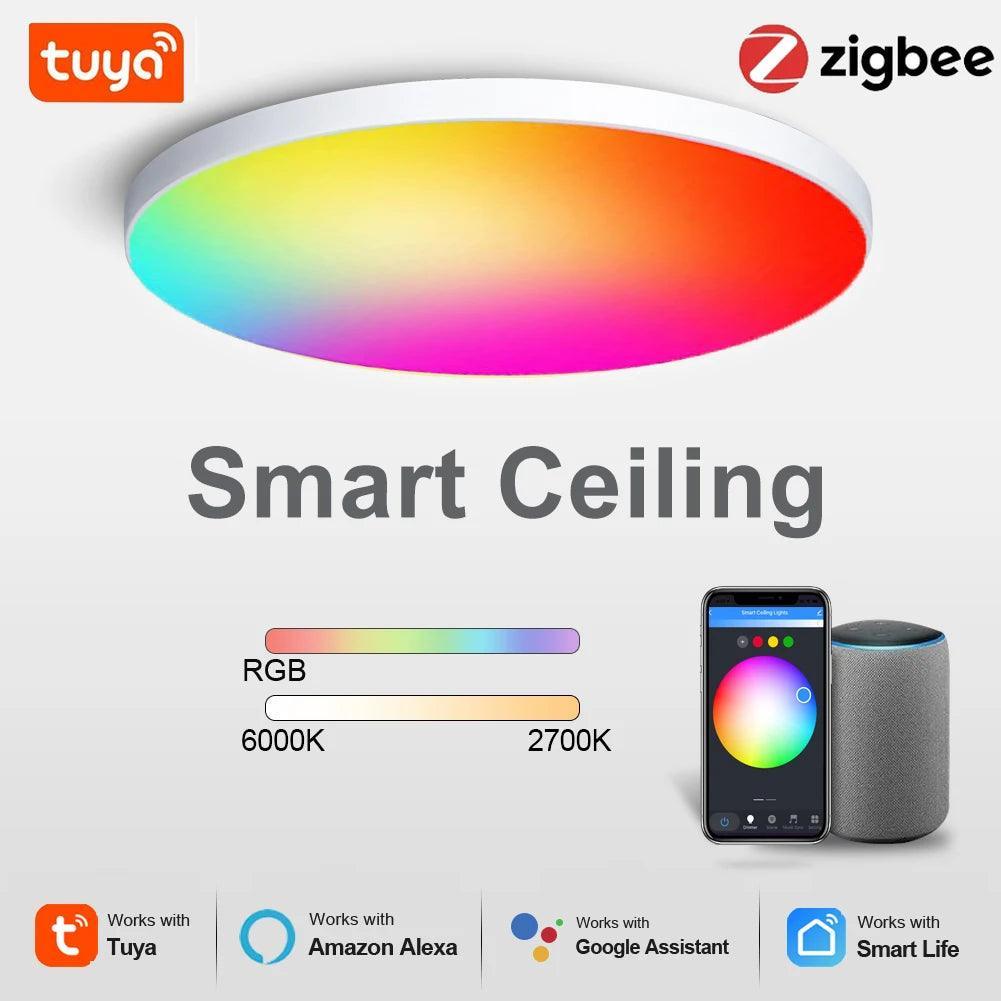
Overhead lighting forms the foundation of your bedroom’s illumination, with various options to suit your space and style. The Tuya Smart RGBCW LED Ceiling Light offers an ideal solution, providing customizable color and brightness control via WiFi/Zigbee, along with voice and music sync capabilities. Perfect for modern bedrooms, it offers the flexibility to adjust lighting based on mood or activity, while seamlessly integrating with your smart home system for effortless control.
Task Lighting: Precision for Daily Routines
Defining Task Lighting
Task lighting targets specific areas where focused light is needed for activities such as reading, dressing, or applying makeup. Key examples include:
- Bedside reading lamps and sconces
- Desk or vanity table lamps
- Closet and wardrobe lighting
Integrating Task Lighting for Modern Lifestyles
As work-from-home trends persist in 2026, bedrooms often double as offices. This calls for adaptable task lighting:
- Adjustable swing-arm lamps: Offer flexibility for reading or laptop use without disturbing a partner.
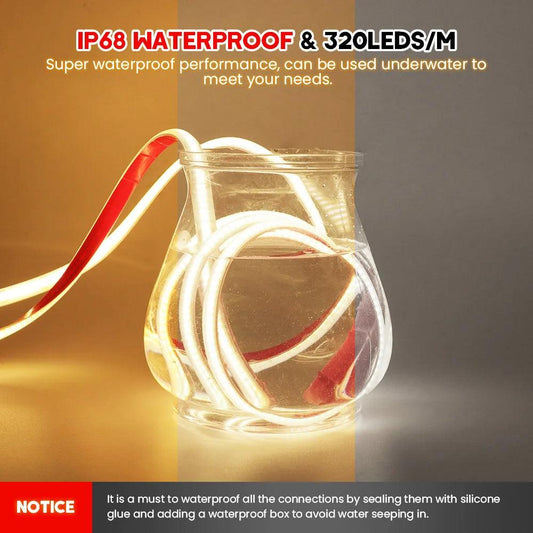
- LED strip lights: Under-shelf or under-bed lighting provides subtle, effective illumination for storage or nighttime navigation.
- Smart bulbs: Voice or app-controlled bulbs allow users to change color temperature or brightness instantly—ideal for late-night work or relaxation.
Regional Considerations
Task lighting needs can vary by locality:
- In Phoenix or Las Vegas, opt for cool white task lights to counteract warm outdoor light and reduce eyestrain.
- In northern states (e.g., Minnesota, Maine) with longer winters, daylight-simulating LED bulbs can boost mood and productivity.
🛏️ Customer Testimonial
"Switching to adjustable task lights in our Seattle bedroom was a game-changer. My partner can read while I sleep, and the smart controls mean we never have to fumble for switches at night." — Rachel L., Seattle, WA
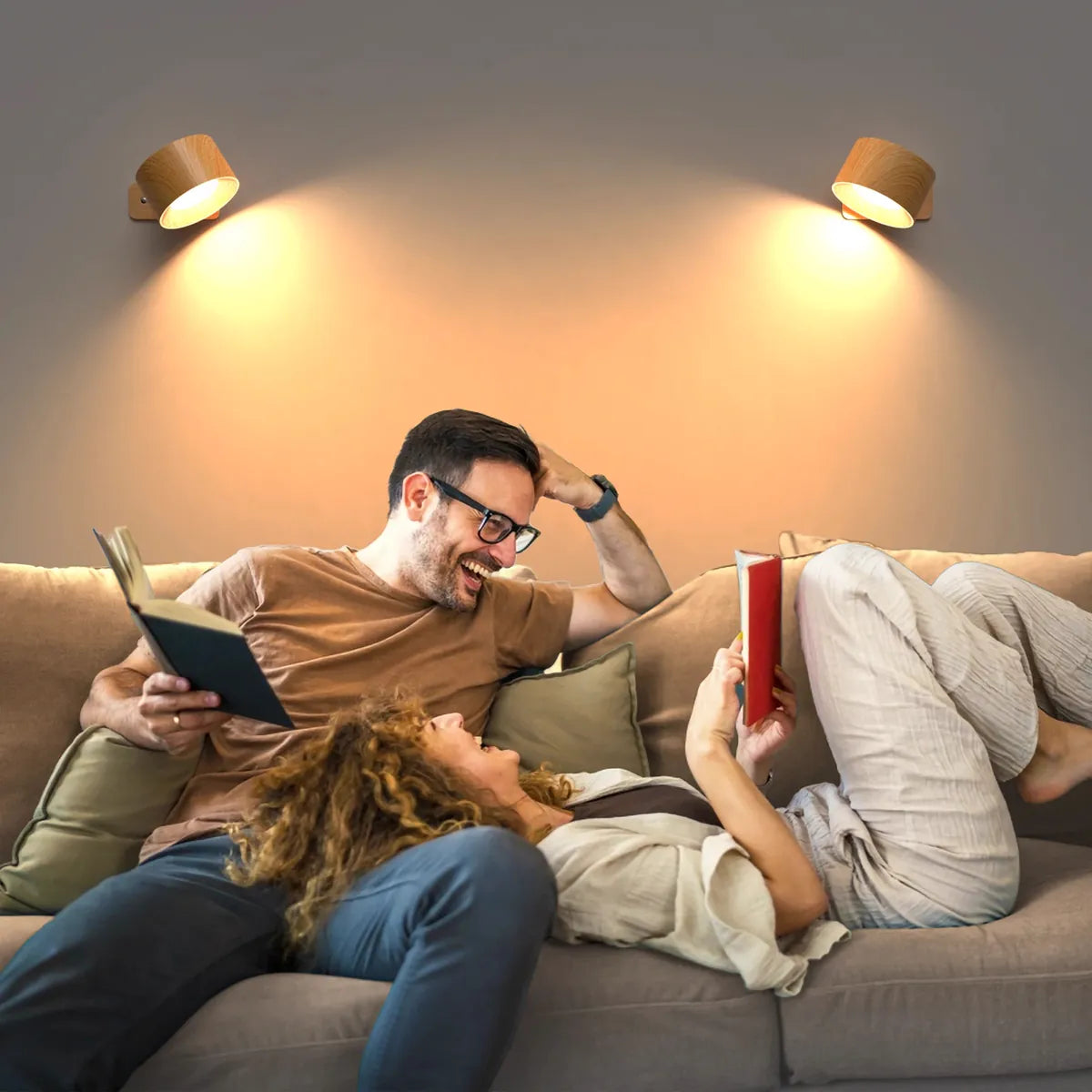
Task lighting is essential for precision in daily routines, providing focused light where you need it most, whether for reading, dressing, or applying makeup. The Wood Touch-Control LED Wall Light offers perfect task lighting with its 360° rotation and three adjustable brightness levels, allowing you to customize the light exactly where you need it. USB rechargeable, it’s both functional and convenient, making it an ideal addition to your modern bedroom setup.
Accent Lighting: Adding Depth and Character
What is Accent Lighting?
Accent lighting is the finishing touch that brings personality and dimension to a bedroom. This layer highlights architectural elements, art, or favorite décor pieces. Accent lights can also serve as nightlights, creating a soft glow that promotes relaxation.
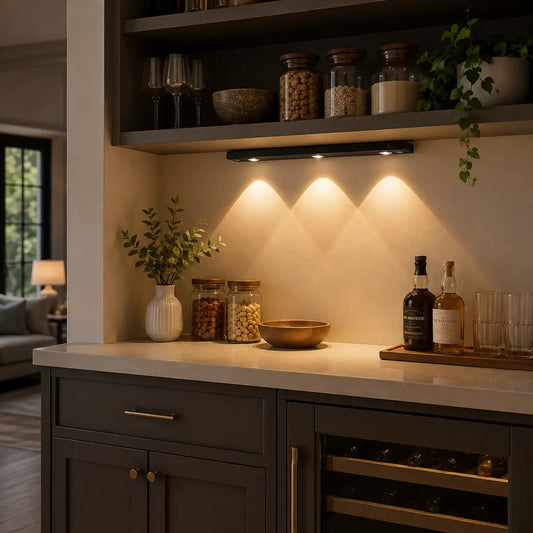
- LED strip lights behind headboards or under beds
- Picture lights above artwork
- Wall-mounted uplights or spotlights
- Color-changing smart lights for mood setting
Expert Strategies for Accent Lighting
- Use warm white LEDs (2700K–3000K) to create a cozy, inviting atmosphere.
- In children’s rooms, consider dimmable accent lights with playful colors for both fun and sleep support.
- For luxury bedrooms, integrate recessed accent lighting in architectural niches or behind floating shelves.
Regional Design Inspirations
- In Miami, integrate tropical-themed accent lights to reflect local flair.
- For New England homes, nautical-inspired sconces or lantern-style accent lights evoke coastal charm.
🎨 Community Feedback
"We added LED strips behind our reclaimed wood headboard in Austin, and now the bedroom feels like a boutique hotel. It’s subtle but makes a huge impact at night." — Marcus T., Austin, TX
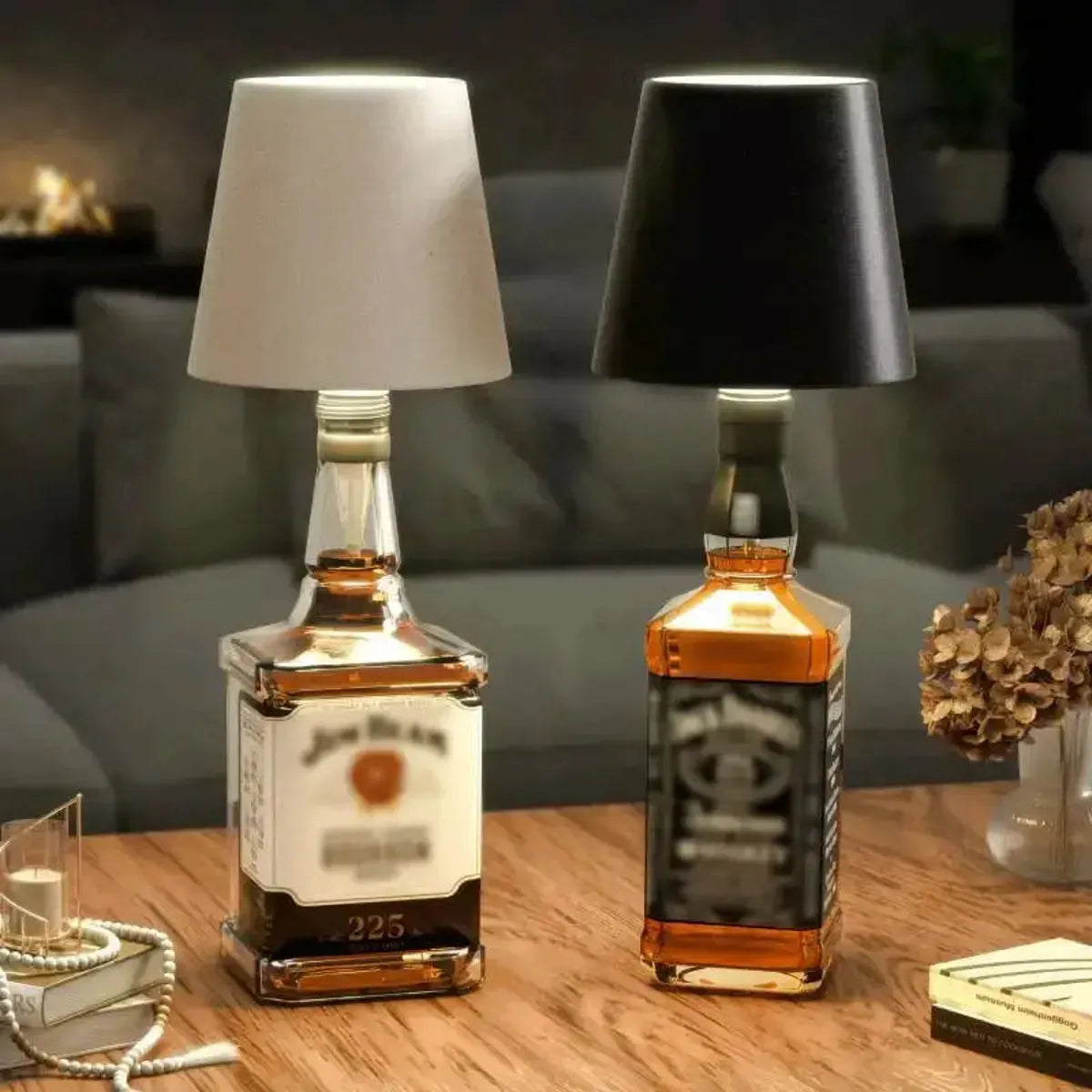
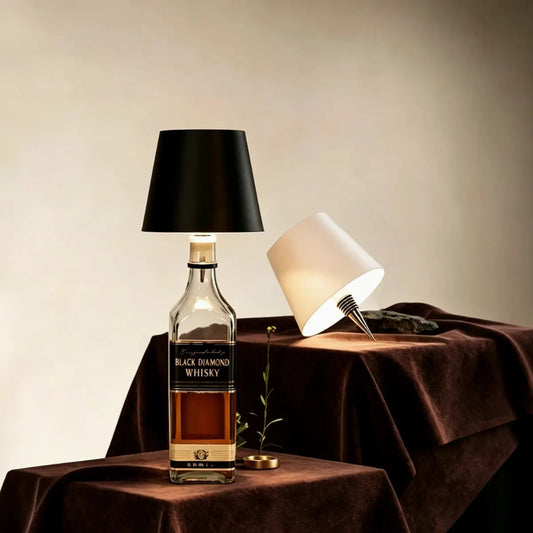
Accent lighting adds the final layer of personality and dimension to a bedroom, highlighting your favorite décor or creating a soothing atmosphere with soft, ambient light. The Creative LED Bottle Table Lamp is perfect for this, offering a portable headlight with dimmable settings that can be placed on a bottle for a unique, customizable glow. USB rechargeable, it provides both functional and aesthetic value, enhancing your room's ambiance while promoting relaxation.
Layered Lighting Design Process: Step-by-Step Approach
Step 1: Assess Room Size and Layout
Begin by mapping out your bedroom’s dimensions, window placement, and furniture arrangement. This helps you identify shadow-prone areas and determine optimal light placement.
Step 2: Set Lighting Objectives
- What activities take place in the bedroom? (e.g., sleep, work, reading)
- Will lighting need to accommodate regional daylight patterns?
- What mood or ambiance do you want to achieve?
Step 3: Select Fixtures and Technologies
Choose fixtures that harmonize with your bedroom’s style and local climate. Prioritize energy-efficient LEDs, smart controls, and finishes that resist humidity or dust as needed.
Step 4: Install and Layer Lights
- Start with overhead lights for general illumination.
- Add task lights at bedsides, desks, or vanities.
- Finish with accent lights to highlight artwork or architectural features.
Step 5: Fine-Tune with Controls
Integrate dimmers, timers, and smart home systems to adjust lighting intensity and color temperature throughout the day.
Professional Guidance
According to a recent study from the Illuminating Engineering Society, bedrooms with multi-layered, adjustable lighting receive 30% higher satisfaction ratings than those with single-source lighting.
Smart Lighting and Automation Trends for 2026
Voice and App Control Integration
With the advent of AI-powered lighting in 2026, smart bulbs and fixtures have become the new standard. Homeowners can now:
- Use voice commands to change brightness or switch between lighting layers
- Schedule lighting scenes for morning, afternoon, and night
- Automate accent lights to sync with circadian rhythms
Platforms like Google Home, Amazon Alexa, and Apple HomeKit are increasingly integrated into bedroom lighting schemes, especially in tech-forward regions like Silicon Valley and New York City.
Geo-Specific Automation Examples
- In Alaska, smart systems simulate sunrise and sunset during long winter nights to support healthy sleep cycles.
- In Florida, automated blackout blinds combined with lighting scenes reduce heat gain and improve comfort.
Table: Smart Lighting Features for Bedrooms
| Feature | Benefits | Top Regions | Popular Brands (2026) |
|---|---|---|---|
| Voice Control | Hands-free operation | Urban, Tech Hubs | Philips Hue, LIFX |
| Automated Scenes | Personalized ambiance | All regions | Samsung SmartThings |
| Circadian Rhythm Sync | Better sleep, health | North, Midwest | GE Cync, Nanoleaf |
Color Temperature and Dimming: Shaping Mood and Function
Understanding Color Temperature
Color temperature, measured in Kelvin (K), affects how a room feels:
- Warm white (2700K–3000K): Cozy and relaxing, best for evening and night.
- Neutral white (3500K–4100K): Clean and energizing, great for morning routines.
- Cool white (5000K–6500K): Crisp and alerting, suitable for reading or task work.
In northern climates, cooler light can compensate for gray days. In southern or tropical regions, warmer light balances abundant sunlight and promotes relaxation.
Dimming for Flexibility
Dimmers are essential for layered lighting, allowing you to shift from bright task lighting to soft accent or nighttime illumination with ease. Most modern dimmers are compatible with LED and smart bulbs.
Expert Insight
Research from the National Institutes of Health highlights that adjustable color temperature and dimming controls can improve sleep quality and support healthy circadian rhythms in residential settings.
Common Mistakes and How to Avoid Them
Overlooking Layer Balance
Relying solely on overhead lighting creates harsh shadows and an uninspired atmosphere. Always combine at least two types of lighting for depth and comfort.
Ignoring Regional Needs
Using fixtures unsuited to local humidity, voltage, or style can lead to early failure or aesthetic clashes. Research regional trends and climate requirements before purchasing.
Poor Fixture Placement
Incorrect height or spacing can cause glare or leave areas underlit. For bedside sconces, position them 18–24 inches above mattress level; for reading lamps, place them at shoulder height while seated.
Neglecting Smart Controls
Without dimmers or automation, even the best lighting scheme loses flexibility. Prioritize easy-to-use controls for maximum benefit.
Case Studies: Layered Lighting Success Stories Across the U.S.
Urban Loft in Brooklyn, NY
Combining industrial pendant lights, adjustable bedside sconces, and track-mounted accent lights highlighted exposed brick walls and artwork. Smart controls enabled seamless transitions from work to relaxation modes.
Suburban Master Suite in Dallas, TX
Flush-mount LED overhead fixtures, swing-arm reading lamps, and backlit crown molding created a spa-like retreat. Automated scenes adjusted lighting for morning, afternoon, and nighttime routines.
Lake House in Minneapolis, MN
Recessed overhead lighting, large desk lamps for remote work, and blue-toned accent lights brightened long winters and supported healthy sleep cycles.
🌟 Real-World Feedback
"After our layered lighting makeover, our Dallas master suite feels like a five-star hotel. The difference in comfort and style is incredible." — Priya M., Dallas, TX
GEO Optimization: Regional Lighting Regulations and Considerations
Building Codes and Efficiency Standards
Most U.S. states now require energy-efficient lighting in new builds and major renovations. California’s Title 24 and New York’s Energy Conservation Code set strict guidelines for fixture efficiency and control systems.
- Use ENERGY STAR–certified fixtures and bulbs to qualify for rebates in many states.
- In hurricane-prone areas (Florida, Gulf Coast), select fixtures with reinforced mounts and weatherproof ratings.
Table: Key Regional Lighting Standards
| Region | Main Requirement | Recommended Fixtures |
|---|---|---|
| California | Title 24 Energy Standards | LED, smart dimmers |
| Northeast | ENERGY STAR compliance | LED, daylight sensors |
| Gulf Coast | Weather resistance | Sealed, corrosion-proof |
Local Trends and Preferences
Regional décor styles—such as Southwestern rustic, New England coastal, or Pacific Northwest minimalism—inform fixture choices and lighting schemes. Consult local showrooms or online design communities for inspiration specific to your area.
Maintenance, Upgrades, and Sustainability
Easy Maintenance Tips
- Choose fixtures with accessible bulbs and dust-resistant finishes.
- Use LED bulbs, which last 15–25 times longer than incandescent bulbs and require minimal replacement.
- Regularly clean lampshades and diffusers to maintain optimal light output.
Planning Future Upgrades
Invest in modular lighting systems and smart hubs that can be updated via software, ensuring compatibility with new technologies as they emerge.
Sustainability Features
- Opt for fixtures made from recycled or locally sourced materials.
- Prioritize low-VOC finishes and ENERGY STAR certification.
- Recycle old bulbs and fixtures responsibly, following local guidelines.
FAQ: Layered Lighting in Bedrooms for 2026
What is layered lighting and why is it important for bedrooms?
Layered lighting blends multiple types of light sources—overhead, task, and accent—within a single space. This approach provides flexibility for different activities and enhances the room’s atmosphere. In bedrooms, layered lighting supports restful sleep, enables focused tasks like reading or dressing, and highlights design features. The combination of adjustable brightness and color temperature means you can create a personalized, comfortable environment that adapts to your routine, local climate, and personal style.
How can I combine overhead, task, and accent lighting effectively?
Begin with overhead lighting for general illumination, ensuring it covers the entire room. Add task lighting at locations where specific activities occur, like bedside tables or vanities. Use accent lighting to highlight artwork, architectural features, or create mood lighting. To combine them effectively, use dimmers and smart controls so each layer can be adjusted independently. Arrange fixtures to avoid glare and shadows, and select finishes and styles that complement the broader bedroom décor and regional preferences.
What are the best smart lighting features for bedrooms in 2026?
Top smart lighting features include voice and app controls, automated scenes tailored to your daily schedule, and circadian rhythm syncing to support healthy sleep cycles. Most smart bulbs now offer adjustable color temperature and dimming capabilities. Integration with home automation systems like Google Home, Alexa, or Apple HomeKit ensures seamless control. Features like motion sensors for closets or nightlights, and the ability to automate lighting based on local sunrise and sunset times, are increasingly popular in modern bedrooms.
How should I choose bedroom lighting based on my region?
Consider local climate, daylight hours, and décor trends. In humid regions, select corrosion-resistant fixtures. For areas with limited natural light, prioritize daylight-simulating LEDs. In hurricane-prone zones, choose weatherproof fixtures. Regional design styles—such as coastal, rustic, or minimalist—influence fixture shape and material. Also, check local energy codes to ensure compliance and eligibility for rebates. Consulting local designers or showrooms can provide tailored advice for your specific area.
What color temperature is best for bedroom lighting?
Warm white (2700K–3000K) is generally best for bedrooms, as it creates a cozy, relaxing environment conducive to sleep. For task lighting, a neutral white (3500K–4100K) can enhance alertness during activities like reading or getting dressed. In regions with long, dark winters, cooler white (5000K–6500K) can simulate daylight and boost mood. The best lighting scheme offers adjustable color temperature, allowing you to customize the ambiance throughout the day.
How can I make my bedroom lighting more energy-efficient?
Switch to LED bulbs and fixtures, which use up to 75% less energy than traditional lighting. Install dimmers and motion sensors to reduce energy use when full brightness isn’t needed. Use smart home systems to automate lights based on occupancy or time of day. Choose ENERGY STAR–certified products, and in regions with energy efficiency rebates, take advantage of local programs. Combining these strategies keeps your bedroom comfortable and stylish while reducing your environmental impact and utility costs.
Conclusion: Elevate Your Bedroom with Layered Lighting in 2026
Layered lighting, when thoughtfully executed, transforms bedrooms into restful retreats, efficient workspaces, and visually stunning sanctuaries. The harmonious blend of overhead, task, and accent lighting—tailored to your region and lifestyle—enhances comfort, showcases your design vision, and supports your wellbeing. By leveraging smart controls, energy-efficient fixtures, and expert layout strategies, you ensure your bedroom lighting remains ahead of trends and technology in 2026—and beyond.
Further Reading
Explore the full guide for this topic: Bedroom Lighting Design Guide: Style, Mood, and Atmosphere Explained
Related Articles
- Bedroom Lighting Ideas: Layered Lighting Plans for Different Bedroom Sizes
- Top Bedroom Lighting Trends: Styles, Materials & Smart Innovations
- How to Layer Bedroom Lighting Like a Pro: Creating Ambiance and Functionality
- Maximizing Small Bedroom Space with Wall Sconces and Swinging Lights
- Integrating Portable and Built-In Lighting for a Clutter-Free Bedroom Design














 />
/>
 />
/>
 />
/>
 />
/>
 />
/>