

Rechargeable lights: which portable lighting is right for your home or business?
Table of Contents
- Types of rechargeable portable lights
- Key specs that determine performance
- Battery chemistries and charging options
- Which rechargeable light is right for your home
- Which rechargeable light is right for your business or jobsite
- Durability, safety, and maintenance
- Comparison table: common rechargeable portable lights
- Environmental impact and lifecycle cost
- How to choose: a step-by-step selection guide
- Installation and code basics for emergency lighting
- Top features to look for by priority user
- Real-world recommendations and scenarios
- Frequently asked questions (FAQ)
- Final recommendations and action steps
Types of rechargeable portable lights

Choosing the right type depends on how you use the light: hands-free vs handheld, wide-area vs focused beam, jobsite durability, or emergency standby.
Common types and what they do
- Flashlights: Focused beam, good for inspections and short-term use.
- Headlamps: Hands-free task lighting for outdoor work, repairs, and safety.
- Lanterns: 360° area light for indoor outages, campsites, and group work.
- Work lights/floodlights: High-lumen wide-beam lights for construction or garage workshops.
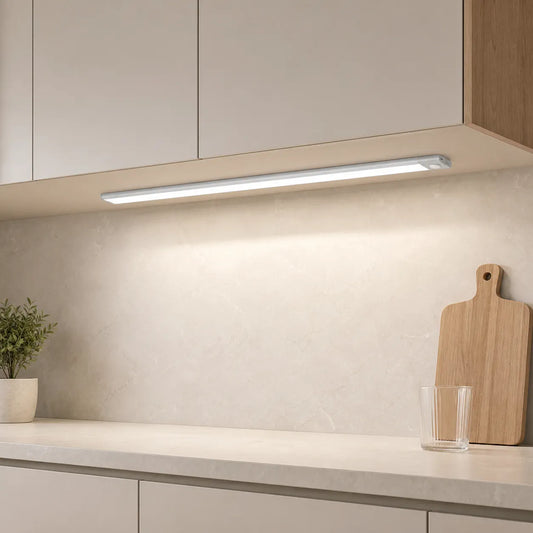
- Strip & utility lights: Flexible or magnetic lights for under-cabinet or vehicle use.
- Emergency/exit lights: Permanently installed rechargeable fixtures for code-compliant egress lighting.
Key specs that determine performance
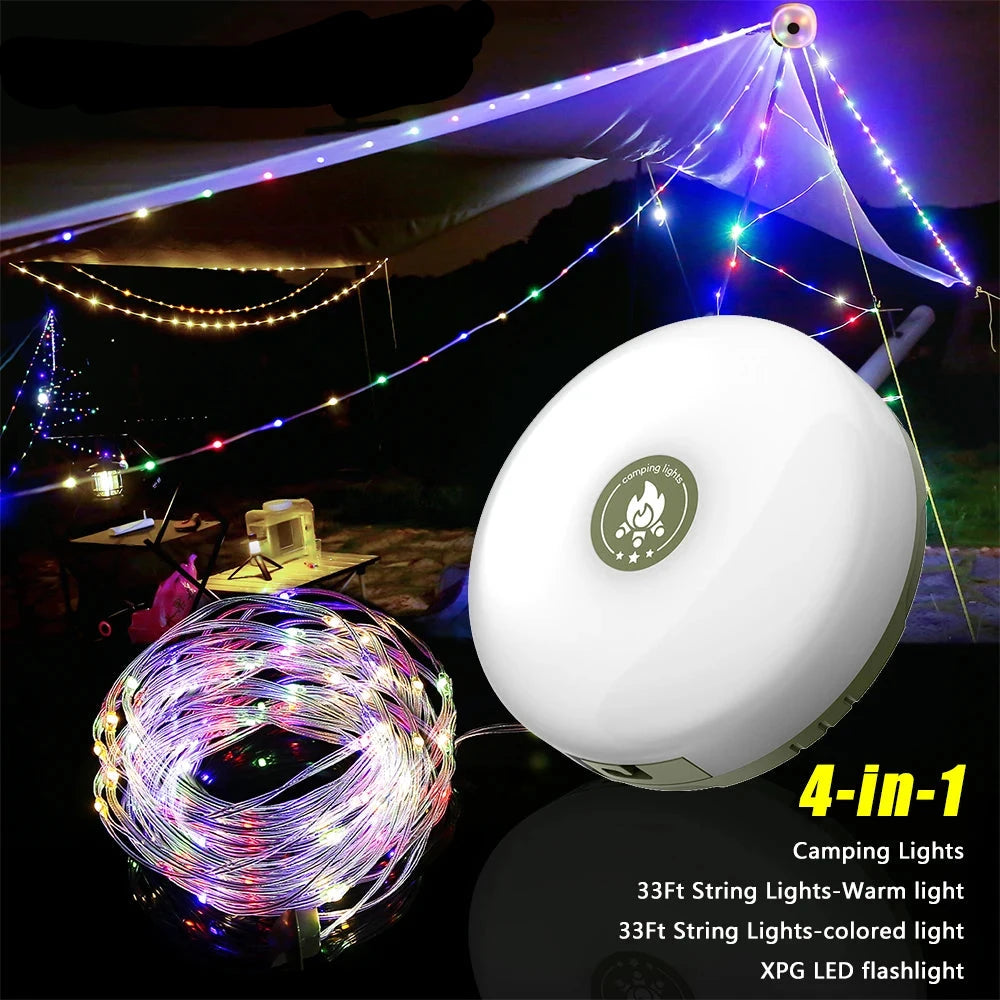
Brightness (lumens), runtime, beam distance, battery type, and ingress protection (IP) are the primary specs to compare when selecting rechargeable lights.
Those specs tell you how far the beam goes, how long it lasts, how durable it is, and what you’ll pay to operate and maintain it.
Essential technical metrics (explainers)
- Lumens: Measures total light output. For reference, 100–300 lm for reading, 500–2000+ lm for task or exterior work.
- Runtime: How long the light runs at the specified output. Look for run times at multiple brightness levels.
- Beam distance: How far the light reaches; important for search or outdoor use.
- Color temperature (K): 2700–3000K is warm (home-friendly); 4000–6500K is neutral/cool (task clarity).
- CRI (Color Rendering Index): Higher CRI (80+) renders colors more accurately—useful for inspections.
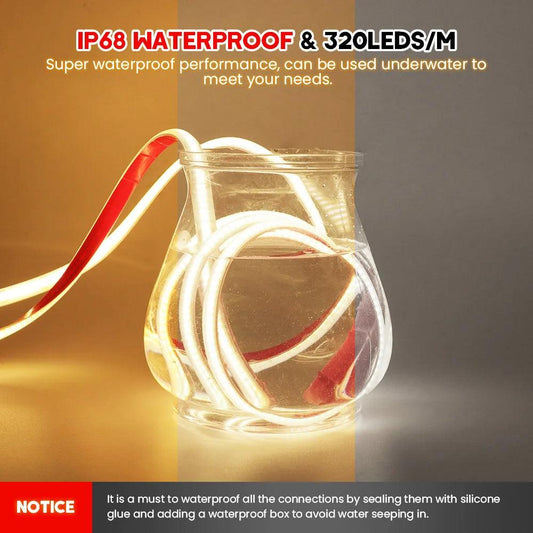
- IP rating: Protection from dust/water (e.g., IP65 or IP67 for wet conditions).
- Certifications: UL listing, CE, RoHS for safety and reliability.
Quick buying rules based on specs
- If you need hands-free work, prioritize headlamps with 200–1000 lm and 100+ hours low-mode runtime.
- For home outage kits, choose lanterns with 200–1000 lm and multi-day standby capability or rechargeable battery with solar/USB recharge.
- For business jobsites, choose rugged work lights with >2000 lm, impact resistance, and IP65+ rating.
Battery chemistries and charging options
Rechargeable lights typically use lithium-ion, nickel-metal hydride (NiMH), or sealed lead-acid batteries; charging options include USB-C, AC adapters, solar, and docking stations.
Battery chemistry determines energy density, weight, memory effect, temperature limits, and lifecycle cost.
Battery types compared
- Lithium-ion (Li-ion): High energy density, light weight, long cycle life, common in consumer and pro lights.
- Nickel-metal hydride (NiMH): Lower cost, less energy per weight, tolerates cold better than some Li-ion chemistries.
- Sealed lead-acid (SLA): Heavy, lower energy density, often used in larger emergency fixtures and backup systems.
Pros and cons (short list)
- Li-ion: Pros—lightweight, long runtime; Cons—sensitive to extreme temperatures, needs proper charging circuit.
- NiMH: Pros—lower cost, robust; Cons—heavier, more self-discharge.
- SLA: Pros—cheap for high capacity, durable in standby systems; Cons—very heavy, limited cycles.
Charging methods and practical tips
- USB (Micro, USB-C): Convenient, widely compatible; USB-C supports fast charging and is becoming standard.
- AC chargers/docks: Faster full-charge times and often used for heavy-duty units.
- Solar recharging: Useful for remote or off-grid use; consider panel wattage and charging time.
- Vehicle charging (12V): Handy for fieldwork and fleets.
Tip: Always use the manufacturer-recommended charger to preserve battery life and safety.
Which rechargeable light is right for your home
For home use, prioritize lanterns and multi-mode flashlights with moderate lumens (200–1000 lm), reliable USB charging, and long low-mode runtimes for outages.
Match the light to the home task: reading, power outage, backyard work, or a garage project.
Home use scenarios and recommended features
- Power outages: Lanterns with 200–1000 lm, long standby, and USB pass-through to charge phones.
- Closet/under-sink/attic tasks: Small magnetic or strip lights with motion sensors or rechargeable batteries.
- Outdoor/yard tasks: Floodlights or high-lumen rechargeable work lights, IP65+, and long runtime.
- Camping & recreation: Lightweight headlamps (150–800 lm) and compact flashlights with USB-C recharge.
Home purchasing checklist
- Choose light type based on behavior: lantern for shared spaces, headlamp for hands-free tasks.
- Select battery chemistry—Li-ion for weight savings, NiMH for budget options.
- Confirm charging method (USB-C preferred) and whether the light charges devices via USB output.
- Check IP rating for outdoor use (IP65+ recommended).
- Look for UL listing and manufacturer warranty (1–5 years common).
Which rechargeable light is right for your business or jobsite
For businesses, choose rugged, UL-listed or OSHA-compliant lights with high lumens (>2000 lm), durable batteries, safety certifications, and maintainable charging systems.
Consider fleet logistics, battery management, and regulatory requirements for emergency lighting.
Business requirements to evaluate
- Durability: Impact resistance (drop ratings), IP for dust/water, and corrosion-resistant materials.
- Certifications: UL/ETL for electrical safety, and compliance with local building/emergency codes.
- Battery management: Interchangeable packs, centralized charging docks, and spare battery inventory.
- Maintenance: Replaceable bulbs/batteries and documented inspection schedules.
Special considerations by sector
- Construction/industrial: High-output floodlights and headlamps with hard-case chargers and spare batteries.
- Retail/hospitality: Portable accent lights and compact lanterns for after-hours tasks and safety checks.
- Healthcare/labs: High-CRI lighting for accurate color rendering and inspection lamps with sanitized housings.
- Emergency services: Purpose-built emergency lighting with long standby life, automatic recharge circuits, and code compliance.
For workplace illumination standards and safety guidelines, see the National Institute for Occupational Safety and Health (NIOSH) lighting guidance at CDC NIOSH - Lighting.
Durability, safety, and maintenance
Durability depends on IP and impact ratings; safety relies on certified chargers and battery handling; maintenance includes scheduled tests, cleaning, and proper battery disposal.
Proactive maintenance extends life, maintains brightness, and reduces fire risk.
Maintenance checklist (business and home)
- Test rechargeable emergency lights monthly and perform annual battery replacement per manufacturer instructions.
- Clean lenses and contacts; remove dust and corrosion to keep connectors efficient.
- Store batteries at moderate temperature and 40–60% state of charge for long-term storage.
- Replace batteries after recommended cycle life (Li-ion typically 300–1000 cycles).
Safety considerations
- Use only approved chargers to prevent overcharging or thermal runaway with Li-ion packs.
- Keep batteries away from extreme heat and standing water; IP ratings don't mean “submerge without consequence.”
- Follow local codes for emergency and exit lighting installations; businesses may need inspection records.
For emergency preparedness tips and recommended supplies (including lighting), consult FEMA's guidance at FEMA Ready - Build a Kit.
🔦 "We switched our facility to rechargeable LED work lights and cut battery waste and downtime—staff keep spare packs charged and swap quickly." — Community maintenance manager
Comparison table: common rechargeable portable lights
Use this table to compare what to expect from popular categories of rechargeable lights.
| Type | Typical Lumens | Common Battery | Best For | Typical Run Time | Durability/Notes |
|---|---|---|---|---|---|
| Flashlight (handheld) | 100–3000 lm | Li-ion 18650/21700 | Inspections, home tasks, security | 2–20 hrs (depends on mode) | Portable, focused beam; many with USB charging |
| Headlamp | 150–1200 lm | Li-ion/NiMH | Hands-free work, outdoor recreation | 4–100+ hrs (low mode) | Lightweight; look for straps, tilt, and waterproofing |
| Lantern | 100–2000 lm | Li-ion or built-in pack | Power outages, campsites, group tasks | 6–48 hrs (low modes) | 360° light; useful as area lighting and phone charger |
| Work light / Floodlight | 500–10,000+ lm | Li-ion pack / built-in battery | Construction, garages, emergency response | 1–12 hrs (often with adjustable output) | Heavy-duty housings, stands, foldable designs |
| Strip / Utility light | 100–2000 lm | Li-ion | Under cabinets, vehicle repair, inspections | 2–20 hrs | Magnetic or clip mounts; flexible options |
| Emergency/Exit fixture | 50–500 lm | SLA or NiMH (often sealed) | Code-required egress lighting | 90+ mins in emergency | Installed; requires monthly/annual testing |
Environmental impact and lifecycle cost
Rechargeable lights lower long-term cost and waste compared with disposables, but lifecycle impact depends on battery chemistry, durability, and recycling practices.
Plan for battery recycling and choose units with replaceable batteries to minimize environmental footprint.
Cost and savings example
Compare replacing disposable AA lights vs. a rechargeable Li-ion lantern over 5 years:
- Disposable scenario: dozens of batteries and recurring purchase cost, higher waste.
- Rechargeable scenario: higher upfront cost but lower operating cost, fewer battery disposals.
Many businesses find total cost of ownership falls within 1–3 years when switching to quality rechargeable units due to reduced purchases and downtime.
Battery recycling and regulations
- Do not dispose of rechargeable batteries in household trash—use local recycling programs.
- Check EPA guidance on battery disposal and recycling at EPA - Recycling Basics.
- Many retailers and municipalities accept rechargeable batteries and devices for recycling; keep receipts and follow local rules.
How to choose: a step-by-step selection guide
Select lights by matching task, environment, runtime, and maintenance capacity; follow a 6-step decision process for both home and business buyers.
Decision-making keeps purchases practical and aligned with operational needs and safety obligations.
6-step buying process
- Define the primary use: outage, inspection, task lighting, or emergency egress?
- Set minimum specs: required lumens, runtime, IP rating, and CRI.
- Decide on battery & charging: USB-C for convenience; swap packs for continuous operations.
- Check certifications: UL/ETL for electrical safety and applicable local code compliance.
- Evaluate lifecycle: replacement battery availability, warranty, and repairability.
- Procure spares and accessories: extra batteries, chargers, mounts, and protective cases.
Procurement tips for businesses
- Buy in bulk for discounts and unified battery systems to ease logistics.
- Standardize chargers and battery types across a fleet to reduce spare parts counts.
- Require vendor documentation for testing, burn-in, and certification.
Installation and code basics for emergency lighting
Emergency and exit lights usually require fixed installation, regular testing, and must meet local building codes or standards for minimum illumination and runtime.
Compliance reduces liability and ensures safe egress during outages.
Basic compliance pointers
- Emergency lighting often must provide at least 90 minutes of illumination during power loss; verify local codes.
- Maintain testing logs for monthly and annual tests; many jurisdictions require records.
- Use fixtures with sealed battery packs designed for standby service (SLA or NiMH are common in fixed installations).
Consult local building code officials or a licensed electrician for installations that interact with building power or require central emergency power systems.
Top features to look for by priority user
Home users prioritize usability and convenience; businesses prioritize durability, safety certifications, and maintainability.
Here are quick feature lists for different users to guide purchases.
Home user must-haves
- USB-C recharge and power bank capability
- Multiple brightness levels and an emergency low mode
- Lightweight and easy-to-store design
- Affordable spare battery or integrated battery with long life
Business user must-haves
- Interchangeable batteries and charging docks
- High lumen output or adjustable output for task flexibility
- Impact and IP ratings, plus UL/ETL certification
- Vendor support, spare parts, and documented maintenance schedule
🔍 For the discerning user, prioritize advanced LED tech, reliability, and smart design. Lumaz delivers all three for a brighter, smarter experience.
Real-world recommendations and scenarios
Pick specific product classes depending on scenario: headlamps for hands-free repairs, lanterns for outages, work lights for construction, and emergency fixtures for code compliance.
Here are practical examples and recommended approaches for common situations.
Scenario examples
- Family emergency kit: One lantern (300–1000 lm), two headlamps, one compact flashlight, and a powerbank with USB-C.
- Small business night shifts: Fleet of rechargeable headlamps, a few high-output floodwork lights, centralized charging cabinet, and spares.
- Contractor/field crew: Rugged work lights (5000+ lm) with quick-swap battery packs and vehicle chargers.
- Retail store: Portable lanterns for after-hours tasks, with long low-mode to preserve battery and phone charging as a bonus.
Frequently asked questions (FAQ)
Answers to common buyer and user questions about rechargeable portable lighting.
1. How many lumens do I need for an indoor outage?
For general indoor use during an outage, 200–800 lumens for a lantern or multiple 100–300 lumen lights should be sufficient. Use higher lumen options (800–1500+) for large rooms or tasks requiring detailed visibility.
2. Are rechargeable LED lights safe to leave plugged in all the time?
Many modern rechargeable lights have smart charging circuits to prevent overcharge; however, long-term continuous plug-in can stress some batteries. Follow manufacturer guidance and consider charging cycles rather than permanent connection.
3. Can I use consumer Li-ion batteries in extreme cold or heat?
Li-ion batteries lose capacity in cold and can be damaged by excessive heat. For extreme temperatures, choose batteries rated for the environment or use NiMH or specialized packs designed for wide temperature ranges.
4. How often should I replace rechargeable batteries in emergency lights?
Replace batteries per manufacturer recommendations—commonly every 3–5 years for standby use. Monthly tests and annual full-discharge checks help determine actual battery health.
5. Is USB-C charging better than traditional AC chargers?
USB-C offers convenience and wide compatibility, and supports fast-charge protocols. For heavy-duty lights, AC or dedicated chargers may provide faster and more reliable charging—especially when quick turnaround is required.
6. What IP rating do I need for outdoor use?
For general outdoor use where rain is possible, IP65 is a good baseline. For occasional submersion or very harsh environments, choose IP67 or IP68 ratings.
7. How do I dispose of old rechargeable batteries safely?
Take rechargeable batteries to a certified recycling center or retailer collection point. Do not place them in household trash. See EPA recycling guidance at EPA - Recycling Basics.
8. Do rechargeable lights save money compared to disposables?
Yes—over 1–3 years you typically recoup the higher upfront cost through lower battery purchases and reduced waste, especially in frequent-use scenarios. For businesses, savings often appear sooner.
9. What maintenance is required for a fleet of rechargeable lights?
Implement a charging schedule, maintain spare batteries, document monthly/annual tests (for emergency lighting), clean contacts, and replace batteries per lifecycle guidance.
10. Are there grants or incentives for upgrading to energy-efficient lighting?
Some jurisdictions and programs offer incentives for energy-efficient upgrades. Check your local utility and state energy office; the U.S. Department of Energy maintains resources on efficiency programs at energy.gov.
Final recommendations and action steps
Choose lights that match your most frequent use case, prioritize safety certifications and battery manageability, and build a maintenance plan that includes recycling and spare inventory.
Start by listing your use cases, set minimum specifications, and then choose 1–3 models matching those needs to trial before wide deployment.
Action checklist
- List your main lighting needs and environments.
- Set minimum specs: lumens, runtime, IP rating, battery type.
- Purchase one model to test in real conditions for 30 days.
- Document charging/maintenance procedures and buy necessary spares.
- Register products, retain warranties, and schedule inspections/tests.
Well-chosen rechargeable lighting reduces operating costs, improves safety, and supports business continuity. For further technical details on lighting and energy-efficient practices, see the U.S. Department of Energy’s page on LED basics at DOE - LED Lighting.




















 />
/>
 />
/>
 />
/>
 />
/>
 />
/>