

Best Outdoor LED Security Lights (2025): Affordable, Long‑Life, Smart‑Enabled Picks
Table of Contents
- How outdoor LED security lights work
- Key features to prioritize in 2025
- Top affordable, long‑life, smart‑enabled picks for 2025
- 2025 comparison table: quick specs at a glance
- Installation and placement: step-by-step guidance
- Smart integration, energy metrics, and expected savings
- Limitations, common issues, and troubleshooting
- Buying checklist and final recommendations
- FAQs
How outdoor LED security lights work
Outdoor LED security lights convert electrical energy into focused light using semiconductor diodes, delivering high brightness with low power. Motion sensors, photocells, and smart modules add automation and remote control for effective night surveillance.
LEDs (light-emitting diodes) produce light more efficiently than incandescent or halogen lamps, offering rapid on/off response, long rated lifetimes, and improved durability for exterior environments. Many security models combine LEDs with PIR or radar motion detection, photocells for dusk-to-dawn operation, and Wi‑Fi or Zigbee radios for smart features.
Key features to prioritize in 2025

Outdoor Solar Motion Sensor Flood Lights 4-Head 3000 Lumens 270° Lighting Range
Choose lights by lumens, color temperature, sensor quality, IP rating, power source, and smart compatibility to match your use case and budget.
- Lumens vs. wattage: Lumens measure output; prioritize lumens (brightness) and lumens-per-watt (efficiency) rather than watts.
- Color temperature: 3000K–4000K is warm-to-neutral and good for yards; 5000K is cooler/whiter and improves perceived sharpness on cameras.
- Sensor type: PIR is cost-effective; microwave/radar works better for small movements and complex fields of view but costs more.
- IP and material: IP65 or higher for wet locations; die-cast aluminum housings resist corrosion and dissipate heat.
- Smart features: Local app control, cloud camera options, HomeKit/Alexa/Google compatibility, and firmware updateability matter for longevity.
- Power: Wired (hardwired 120V/240V), low-voltage 12–24V, or solar—select based on installation complexity and continuous-operation needs.
Further Reading:
Top affordable, long‑life, smart‑enabled picks for 2025
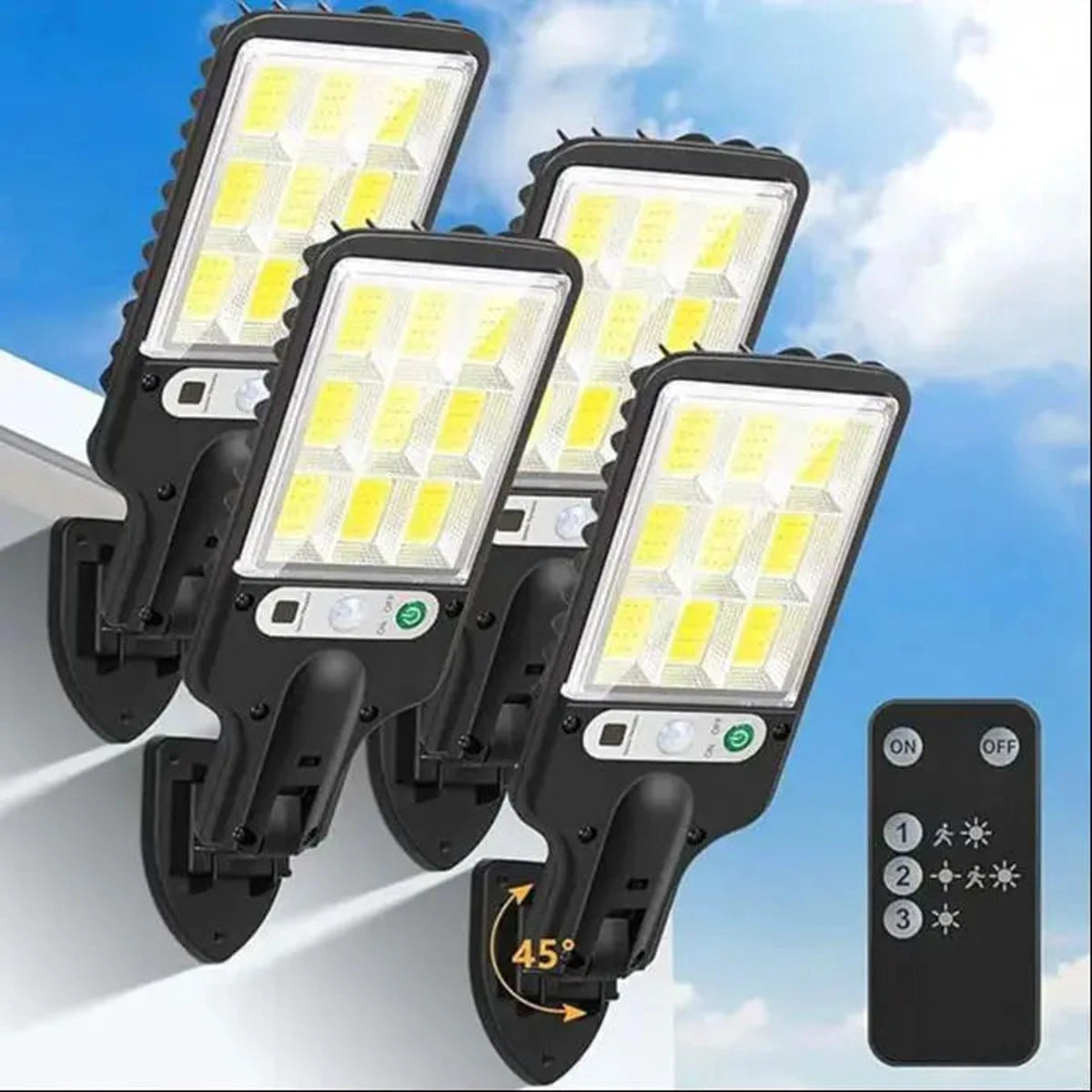
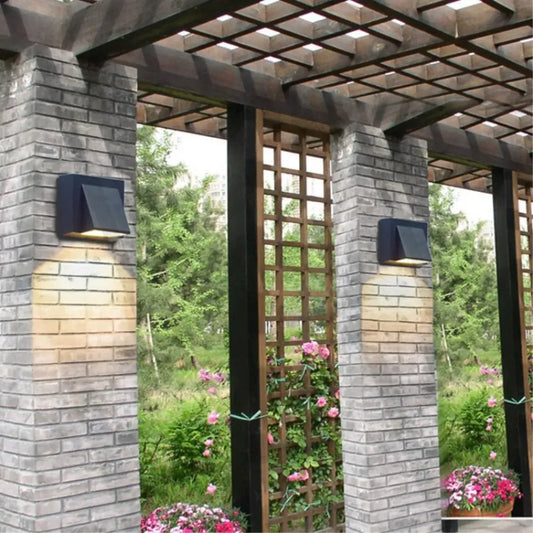
Outdoor Solar LED Wall Light with Motion Sensor, Waterproof for Garden Lighting
These picks balance cost, lifespan, and smart capability across common homeowner needs: camera floodlights, budget floods, commercial-grade fixtures, and solar options.
Below are representative choices across categories; specifications vary by model/year—verify current model specs before buying.
Best overall smart floodlight camera — Ring Floodlight Cam Wired Pro
Pros: high output, 3D motion detection, two-way talk, tight Alexa integration.
Cons: wired only; cloud recording subscription for full video history.
Best budget high-output flood — Sunco / Hyperikon LED Floods
Pros: excellent price per lumen, durable housings, long warranties.
Cons: no built-in smart controls or camera.
Best commercial-grade long-life option — RAB Lighting LED Floods
Pros: rugged construction, long warranties, reliable photocell and sensor options, designed for continuous duty.
Cons: higher upfront cost.
Best smart bulb-style flood — Philips Hue Outdoor / Sengled Smart Flood
Pros: color and brightness control, ecosystem integrations, local automation.
Cons: usually need a hub; cost per fixture is higher.
Best motion-sensor-only security light — Lithonia / Halo LED Motion Flood
Pros: proven motion detection, simple installation, energy-efficient.
Cons: basic feature set (no camera, limited remote control).
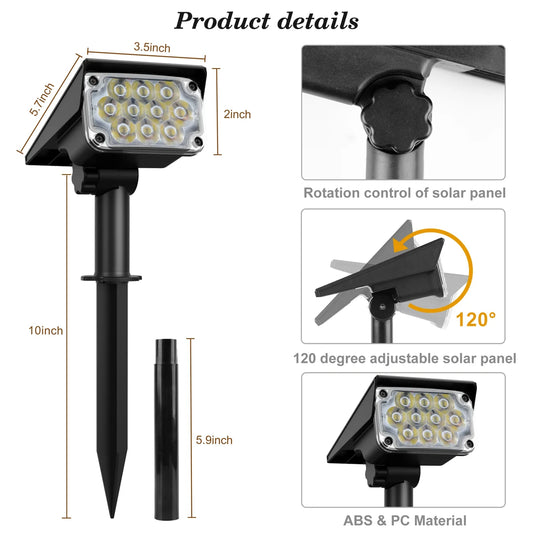
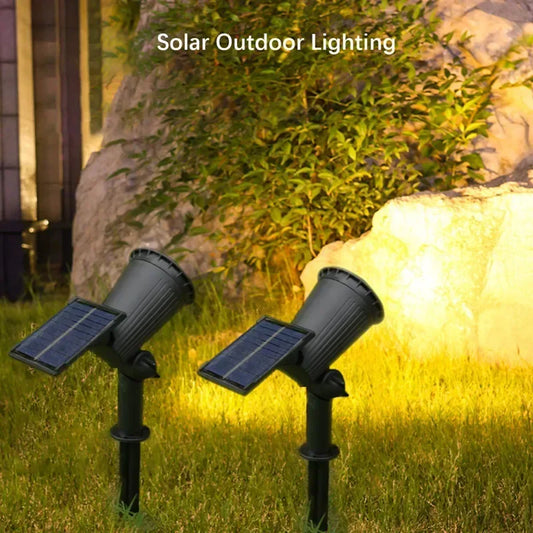
Best solar-powered security light — Aootek / Sunforce Solar Floods
Pros: no wiring, ideal for remote areas, lower operational cost.
Cons: lower runtime/brightness in winter or shaded locations.
Best multi-head adjustable fixture — Maxxima / Hyperikon 3‑Head LED Security Light
Pros: adjustable heads for targeted coverage, strong motion detection, good for garages and yards. Cons: larger footprint may require careful mounting to avoid glare.
🔦 "Switched to a smart LED flood with a camera and it solved nightly package theft—clear video, easy alerts." — homeowner comment from community forum
2025 comparison table: quick specs at a glance
Snapshot comparison to help narrow selections; values are typical ranges—check the exact model label for precise numbers.
| Model / Type | Typical Lumens | Power (W) | Color Temp (K) | Smart / Camera | IP Rating | Price Range |
|---|---|---|---|---|---|---|
| Ring Floodlight Cam Wired Pro (camera) | 3,000–5,000 | 40–60 | 3,000–5,000 | Yes (Wi‑Fi, cloud) | IP65 | $180–$250 |
| Sunco / Hyperikon LED Flood | 2,000–6,000 | 20–60 | 3,000–5,000 | No | IP65–IP66 | $25–$80 |
| RAB Commercial LED Flood | 3,000–10,000 | 30–150 | 3,000–5,000 | Optional | IP65–IP66 | $120–$400 |
| Philips Hue / Sengled Smart Flood | 1,200–3,000 | 12–30 | 2,700–6,500 (tunable) | Yes (hub) | IP54–IP65 | $60–$200 |
| Aootek / Sunforce Solar Flood | 500–3,000 | Solar panel + battery | 3,000–5,000 | Some models yes | IP65 | $40–$150 |
Installation and placement: step-by-step guidance
Proper placement and installation maximize coverage, reduce glare, and ensure sensor reliability.
- Plan coverage: map areas to protect (doorways, driveway, side yard) and mark mounting points at 8–12 feet for floods, 6–8 feet for motion sensors if narrower detection is needed.
- Confirm power source: identify a nearby junction box for hardwired models or select a sunny unobstructed location for solar fixtures.
- Turn off circuit power: always isolate the breaker before wiring; use a non-contact voltage tester to confirm.
- Mount and aim: fasten the fixture, aim heads to minimize direct glare into neighbors’ windows; set motion sensor angle and sensitivity.
- Seal penetrations: use exterior-rated caulk around mounts and conduit to prevent moisture entry and insect nests.
- Test and tune: verify dusk-to-dawn operation, motion activation zones, and smart connectivity; reduce sensitivity or shorten hold times to avoid false triggers.
For complex hardwired installs or rooftop mounting, hire a licensed electrician to meet local code and safety requirements.
Smart integration, energy metrics, and expected savings
Smart LEDs enable automation and energy savings; measure performance using lumens, lumens-per-watt, runtime, and average daily operation.
Key metrics and examples:
- Lumens-per-watt (lm/W): Modern LEDs typically deliver 80–140 lm/W; higher lm/W means better efficiency.
- Runtime & energy: A 30W LED flood producing ~3,000 lm at 100 lm/W consumes 0.03 kW. If it runs 4 hours/night, that's 0.12 kWh/day or ~44 kWh/year.
- Comparative savings: The U.S. Department of Energy notes that LEDs can use at least 75% less energy and last up to 25 times longer than incandescent bulbs, significantly reducing replacement and operating costs (DOE: LED lighting basics).
Smart features reduce runtime and false-on events through schedules, geofencing, and adaptive motion zones. For camera-equipped lights, factor in cloud-video storage subscription costs when calculating total cost of ownership.
💡 Smart, efficient lighting shouldn't be complex. With Lumaz, monitor real-time energy use and maximize your savings effortlessly.
Limitations, common issues, and troubleshooting
Even high-quality LEDs have practical limitations—understanding them reduces surprise and increases longevity.
- Glare & neighbor complaints: High-mounted, high-Kelvin lights can create glare; use shielded fixtures, lower color temperature, or aim heads downward.
- Wi‑Fi connectivity: Cameras and smart lights require stable Wi‑Fi; install a mesh node or a 2.4 GHz extender if needed.
- Solar performance variability: Solar models depend on sunlight; expect reduced brightness and runtime in winter or shaded installations.
- False motion triggers: Adjust sensor sensitivity and detection angles to reduce false activations from pets, trees, or road traffic.
- Heat management: LEDs are long-lived when heat is managed; ensure fixtures have vents or aluminum housings to dissipate heat.
Troubleshooting checklist (quick):
- If light flickers, verify stable voltage and tight wiring connections.
- If smart features fail, power-cycle the unit, check firmware updates, and confirm router settings (2.4 GHz channel and SSID visibility).
- If motion activation is inconsistent, clean the sensor lens and re-aim the sensor per manufacturer guidance.
Buying checklist and final recommendations
Use this checklist to match product specs to your priority outcomes: brightness, lifetime, smart control, and budget.
- Decide required brightness (lumens) and choose 3000–5,000+ lumens for driveways and wide coverage.
- Pick color temperature: 2700–3500K for warm appearance; 4000–5000K for better camera contrast.
- Confirm IP65+ rating and metal housing for exterior durability.
- For cameras: verify field-of-view, resolution (at least 1080p), night vision, and local/cloud storage options.
- Check warranty length (3–10 years for reputable LED fixtures) and return policy.
- Plan for power: hardwired for continuous operation, solar for flexible placement, or smart bulbs for retrofit simplicity.
Evidence summary: improved lighting can deter opportunistic crime in some contexts, but results vary by environment and must be combined with other measures (landscaping, cameras, neighborhood watch) for the best outcome (NIJ: Does improved lighting reduce crime?).
FAQs
Do outdoor LED security lights attract insects?
LEDs emit less ultraviolet than incandescent bulbs, so they attract fewer insects; choosing warmer color temperatures (2700–3000K) further reduces insect attraction.
Will brighter lights reduce crime at my home?
Brighter, well-directed lighting can deter opportunistic behaviors, but it’s not a guaranteed solution—combine lighting with cameras, physical security, and community measures for best results (see NIJ research linked above).
Are solar LED security lights reliable year-round?
Solar lights work well in sunny locations. Expect reduced runtime and brightness during winter or prolonged cloudy periods; choose larger panels and batteries for higher reliability.
How bright should a floodlight be for a driveway?
A driveway typically needs 2,000–4,000 lumens for clear visibility by camera and safe navigation. Adjust upward for very wide garages or entire yards.
Do smart floodlights need a hub or will they work with Wi‑Fi?
Some smart floodlights use Wi‑Fi (commonly 2.4 GHz) and need no hub; others use Zigbee/Z‑Wave and require a hub or bridge. Hubless Wi‑Fi devices are simpler, but hub-based systems can offer local control and lower latency.
Related Articles:
- 6 Tips to Choose the Best Solar Flood Light
- Creative Uses for Solar Rope Lights in Garden & Patio
- Enhance Home Security with Motion Sensor Lights
- How to Install Solar Step Lights: Simple Guide
- How to Set an Outdoor Lighting Timer: Guide
- Solar String Lights: Tips for Long-Lasting Use
- Top 5 Solar Pathway Lights to Illuminate Garden














 />
/>
 />
/>
 />
/>
 />
/>
 />
/>