

Top 8 LED Spotlights for Highlighting Trees and Garden Sculptures (2025 Picks)
Table of Contents
- How to choose LED spotlights for trees and garden sculptures
- Top 8 LED spotlights for highlighting trees and garden sculptures (2025 picks)
- Comparative specs table: quick at-a-glance selection
- Placement, aiming, and beam-angle strategies
- Power options, controls, and smart integration
- Installation tips and protecting trees & sculptures
- Color temperature, light pollution, and plant & wildlife considerations
- Budgeting, maintenance, and performance metrics
- Frequently Asked Questions
How to choose LED spotlights for trees and garden sculptures
Pick fixtures that balance beam control, color quality, durability, and power delivery to match the size and texture of the tree or sculpture you want to highlight.
Prioritize lumen output, beam angle, color temperature (CCT), CRI, IP rating, and the right mounting hardware when comparing options.
- Lumens: Measure apparent brightness—more lumens for large trees or distance, fewer for close-up texture.
- Beam angle: Narrow (6°–15°) for tight spot, medium (15°–40°) for smaller trees or statues, wide (>40°) for washes.
- Color temperature & CRI: 2700K–3000K for warm, natural highlights; CRI ≥ 80 for accurate colors on sculpture finishes.
- Ingress Protection (IP): IP65 or better for outdoor fixtures exposed to rain and irrigation.
- Power type: Low-voltage (12V) landscape, line-voltage (120V), solar, or smart/wireless—choose for site constraints and maintenance preferences.
- Mounting & aiming: Spike or stake for soil, canopy clamps for tree trunks, or hidden brackets for sculpture bases—aiming adjustability matters.
Top 8 LED spotlights for highlighting trees and garden sculptures (2025 picks)
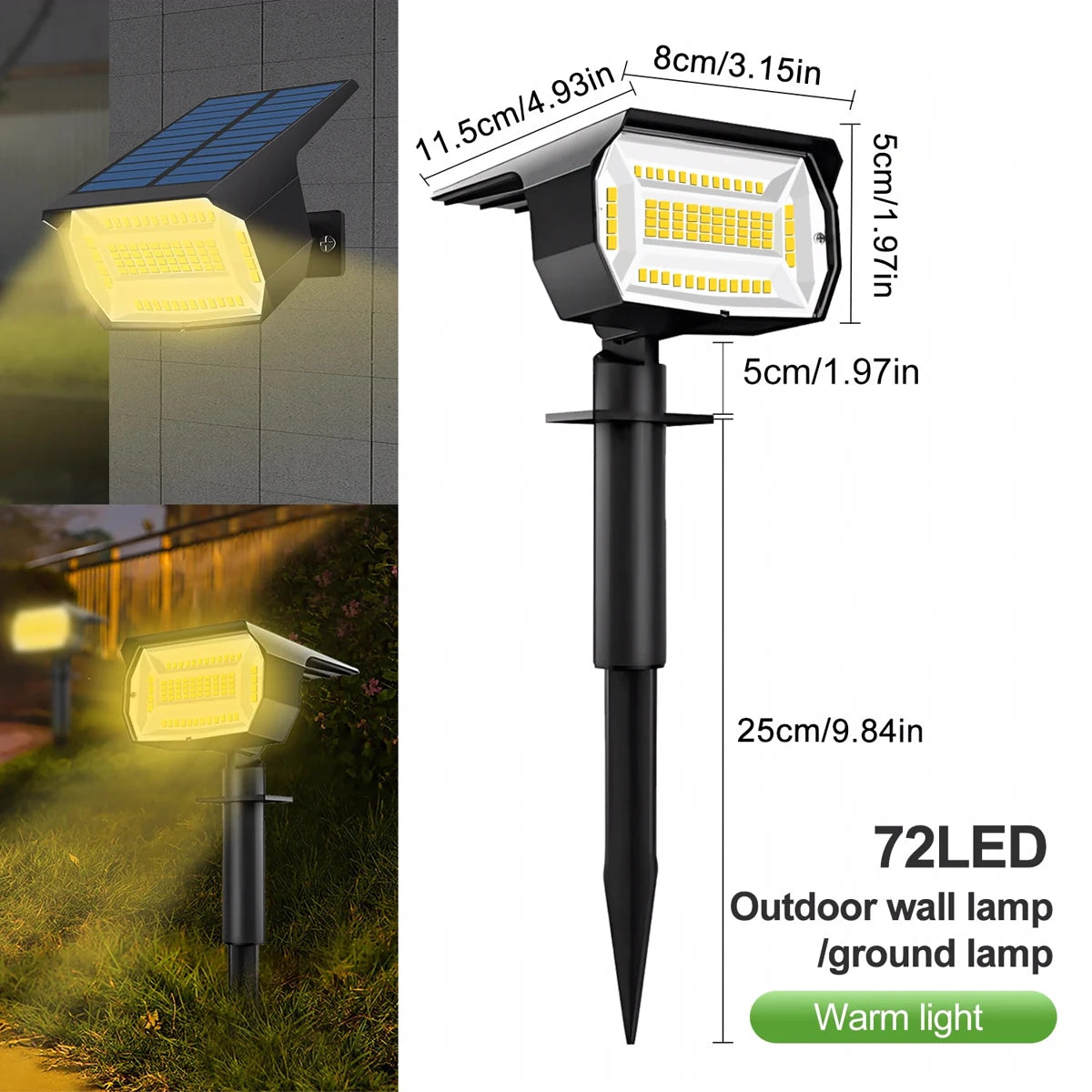
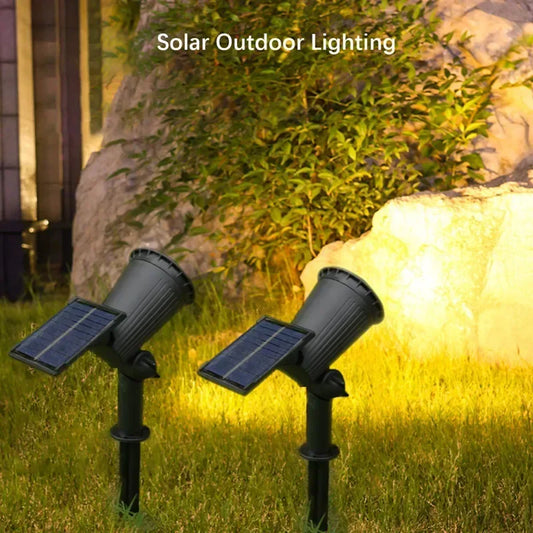
Outdoor 72/68 LEDs Solar Landscape Spotlight Waterproof 3 Modes Solar Garden Lights
These eight fixtures cover low-voltage, line-voltage, solar, and smart color options for varied budgets and design goals.
1. Philips Hue Lily (smart color spotlight)
Best for color-changing effects and smart home integration; ideal for dramatic color washes on sculpture or accenting foliage.
- Type: Line-voltage (requires Hue bridge)
- Strengths: Full RGB, app scenes, voice control, good beam control with adjustable lenses.
- Considerations: Requires ecosystem investment; color mode can stress some plants if left at high intensity overnight—use schedules.
2. Volt Landscape Low-Voltage LED Bullet
Reliable low-voltage accent fixture with solid construction and crisp beam—workhorse for professional landscape lighting.
- Type: 12V low-voltage
- Strengths: Durable brass/bronze finishes, variety of beam lenses, great for tree uplighting and highlighting bark texture.
- Considerations: Requires transformer and low-voltage cable; professional-grade pricing.
3. Kichler LED Low-Voltage Accent Spotlight
Popular architectural-grade accent spotlight with adjustable swivel and multiple lens options for sculptural highlights.
- Type: 12V low-voltage
- Strengths: High CRI options, discrete housing, easy aiming and focusing.
- Considerations: Choose correct beam lens for distance to avoid spill light onto neighboring properties.
4. Hyperikon Low-Voltage LED Landscape Spot
Cost-effective, energy-efficient option for homeowners wanting pro-looking uplighting without contractor pricing.
- Type: 12V low-voltage
- Strengths: Good warranty, IP65 protection, multiple lumen classes.
- Considerations: Build quality varies by model—select metal housings for long-term durability.
5. Lithonia Lighting Outdoor LED Flood/Spot
Line-voltage fixture for wide washes and powerful uplighting on large specimen trees or groupings of sculptures.
- Type: 120V flood/spot
- Strengths: High lumen output, rugged for exposed installations, cost per lumen is low.
- Considerations: Overpowering for small sculptures—use diffusers or increase distance.
6. Sunforce Solar LED Spotlight
Best for no-wiring installations or remote garden spots—useful for highlighting smaller sculptures or young trees.
- Type: Solar-powered
- Strengths: Simple install, runs off-grid, inexpensive to operate.
- Considerations: Limited lumen output and runtime; placement must get reliable sun for charging.
7. Ring Smart Lighting Spotlight (solar or plug-in)
Good for homeowners wanting motion and schedule features combined with accent lighting for security and aesthetics.
- Type: Solar or plug-in models
- Strengths: App scheduling, motion alerts (if desired), integration with Ring ecosystem.
- Considerations: Motion-triggered bright bursts can disturb nocturnal wildlife—use with moderation.
8. Coastal Architectural LED Accent (professional-grade)
High-quality architectural fixture aimed at preservation and commercial installations—excellent finish and long-term reliability.
- Type: Low or line-voltage options
- Strengths: Custom optics, long warranties, available in high-CRI versions for museums and galleries.
- Considerations: Higher upfront cost but lower lifecycle maintenance in commercial settings.
🌿 "Installed two Volt bullets and a Hue Lily—my old oak finally looks like a feature, not a silhouette. Easy aiming and zero fuss after setup." — Community gardener
Comparative specs table: quick at-a-glance selection
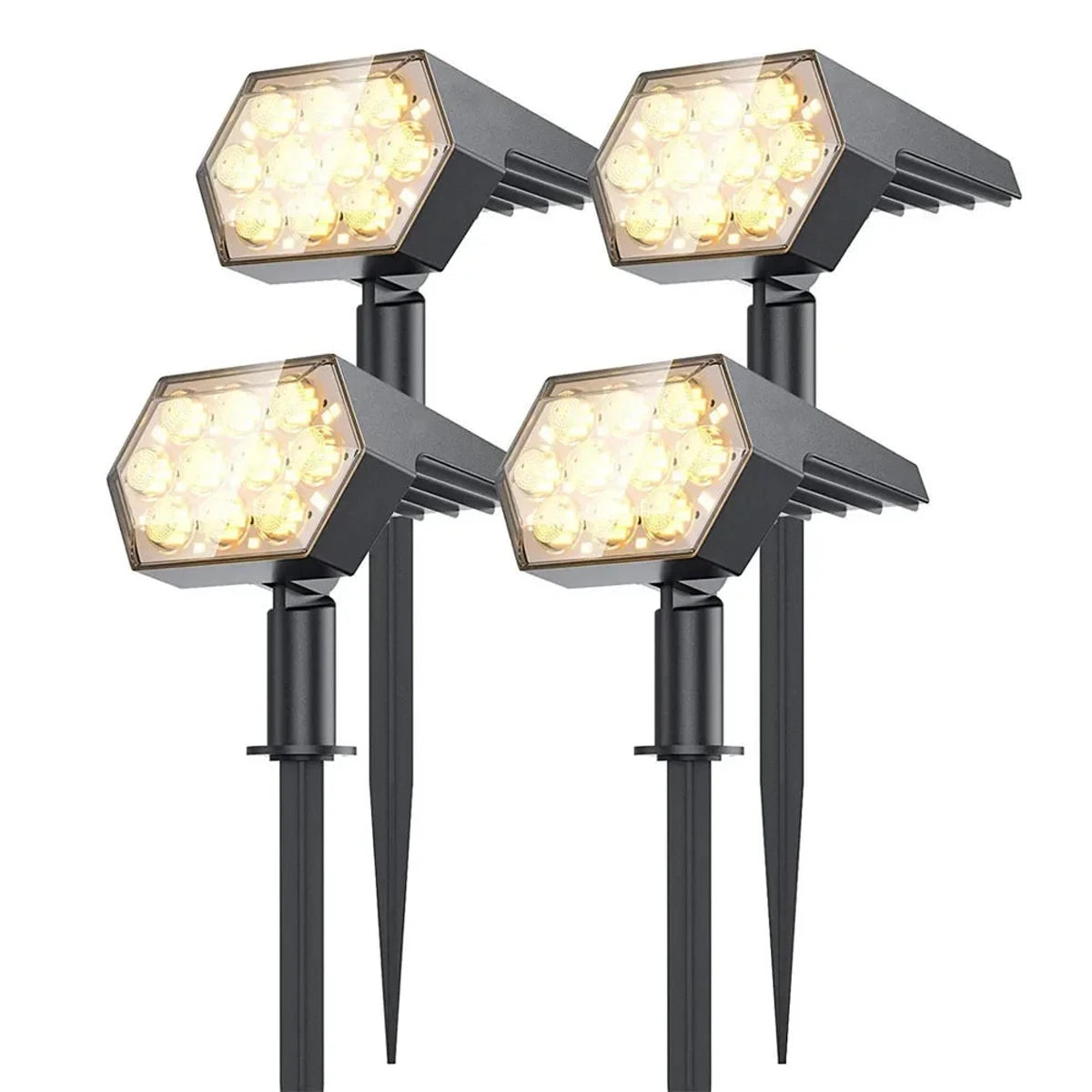
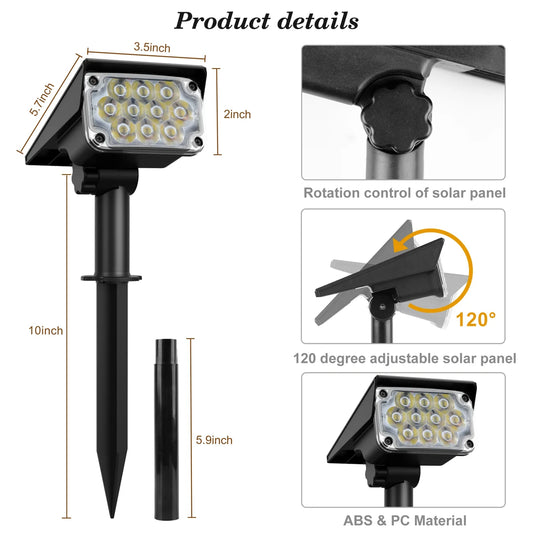
3 Lighting Mode 92 LED Outdoor Solar Spot Lights IP67 Waterproof 2 In 1 Garden Lights
This table summarizes approximate performance ranges so you can match fixture type to the application and budget.
| Model / Type | Typical Lumens | Beam Angle | Color Temp (CCT) | Power | IP Rating | Approx. Price Range |
|---|---|---|---|---|---|---|
| Philips Hue Lily (smart) | 300–700 lm | 10°–45° (lens options) | 2000K–6500K (RGB) | Line-voltage | IP44–IP65* | $80–$250 per fixture |
| Volt Landscape Bullet | 200–800 lm | 10°–40° | 2700K–3000K | 12V | IP65 | $50–$160 |
| Kichler Accent Spotlight | 250–900 lm | 10°–30° | 2700K–3000K | 12V | IP65 | $70–$220 |
| Hyperikon Spot | 150–700 lm | 20°–40° | 2700K–5000K | 12V | IP65 | $30–$120 |
| Lithonia Flood/Spot | 1000–6000 lm | 15°–60° | 3000K–5000K | 120V | IP65–IP67 | $50–$300 |
| Sunforce Solar Spotlight | 50–300 lm | 15°–40° | 3000K–5000K | Solar | IP65 | $30–$90 |
| Ring Smart Spotlight | 200–1200 lm | 20°–60° | 3000K–5000K | Solar or plug-in | IP65 | $60–$250 |
| Coastal Architectural Accent | 200–1200 lm | 6°–40° (custom optics) | 2700K–4000K | 12V / 120V | IP66 | $120–$400+ |
Placement, aiming, and beam-angle strategies
Correct placement and beam choice determine whether a tree or sculpture reads as dramatic, textured, or washed-out.
Plan supports visual hierarchy—primary specimen gets the narrow, powerful uplight; surrounding plants get softer washes.
- Decide focal point: trunk, canopy, or sculpture surface—this guides distance and beam angle.
- Use narrow beams (6°–15°) for vertical emphasis on trunks or vertical sculpture elements.
- Use 15°–30° for medium-sized sculptures and small trees; 30°–60° for even illumination on canopies or group plantings.
- Place fixtures at 1/3 to 1/2 of the tree height away from the trunk for even uplighting; adjust for canopy shape.
- Test at night and adjust aims; small shifts can eliminate harsh shadows or glare.
- Tip: use barn doors, snoots, or lens accessories to control spill and avoid lighting neighbors.
- Tip: install dimmers or smart schedules to reduce overnight intensity and energy use.
Power options, controls, and smart integration
Choose a power system that matches installation complexity, energy goals, and desired control features for schedules and scenes.
Low-voltage is common for landscapes; smart and solar options reduce wiring but differ in performance.
Power and control quick guide
- Low-voltage (12V): Safer to install, easier to wire in series, common for residential landscapers.
- Line-voltage (120V): Higher output, no transformer needed, better for large washes and tree uplighting from greater distances.
- Solar: No trenching or transformer, but limited lumens and runtime; best for accenting small sculptures.
- Smart lighting: App control, scenes, and schedules reduce light waste and automate color/brightness changes.
For energy and lifecycle data, the U.S. Department of Energy provides guidance on LED performance and savings—useful for calculating ROI and replacement schedules: energy.gov LED lighting.
💡 Smart, energy-efficient control is key. Lumaz LED tech offers reliable, affordable, and smarter lighting experiences for your home.
Installation tips and protecting trees & sculptures
Install fixtures so they stay secure without damaging trees or artwork; use non-invasive mounting and respect root zones.
Proper cable routing, secure mounts, and consideration for growth are essential to long-term performance and tree health.
- Avoid screwing fixtures directly into living trees; use straps, clamps designed for arboriculture, or free-standing stakes.
- When trenching for cables, keep trenches shallow around root zones and follow local codes; consider surface-mounted conduit where roots are near the surface.
- For sculptures, anchor fixtures to hardscape or concealed bases to avoid marring finishes.
- Use timers, photocells, or smart schedules to limit run hours—this prolongs fixture life and prevents unnecessary light exposure.
For broader considerations about preserving natural dark skies and minimizing ecological effects, consult resources on responsible lighting from the National Park Service: nps.gov — night skies.
Color temperature, light pollution, and plant & wildlife considerations
Choose color and schedules that flatter material finishes and preserve night ecology—warmer light (2700K–3000K) is typically best for landscapes.
High CCTs (>4000K) increase blue light content, which can disturb nocturnal wildlife and increase skyglow.
- Use 2700K–3000K for warm, natural wood and stone tones and reduced ecological impact.
- Use high-CRI (≥80–90) fixtures where color fidelity matters, such as on painted or patinated sculptures.
- Reduce lumen output and run times at night to limit disruption to wildlife and light trespass into neighboring properties.
Budgeting, maintenance, and performance metrics
Plan for upfront cost, expected energy use, and simple maintenance—LEDs reduce energy costs but optics and drivers still fail over time.
Key metrics: initial lumens, lumens maintained at 25,000–50,000 hours (L70), driver warranty, and IP rating.
- Estimate required lumens: small sculpture (150–500 lm), medium tree head (500–1200 lm), large specimen (1200–3000+ lm).
- Check driver warranties (3–10 years) and replaceable lens/driver options—modular fixtures extend life cycle.
- Plan annual checks: clean lenses, verify seals, test timers/controls, and adjust aiming after seasonal growth.
Common maintenance checklist:
- Clean lenses and heat sinks annually.
- Confirm seals (rubber gaskets) and re-seal if needed.
- Verify cable insulation and mounting hardware integrity after storms.
Frequently Asked Questions
1. How many lumens do I need to highlight a medium-sized garden sculpture?
For a medium sculpture (3–6 feet), start with 300–900 lumens depending on the finish and viewing distance. Metallic or dark finishes often need higher lumen counts to reveal texture.
2. Can I safely mount spotlights on trees without harming them?
Yes—use tree-friendly straps or non-penetrating clamps. Avoid screws or long-term penetrating fasteners; allow for growth and periodically reposition mounts as the tree matures.
3. Are solar spotlights bright enough for large trees?
Generally no—solar spotlights suit small sculptures or accents. Large trees usually require powered fixtures (low- or line-voltage) for sufficient lumen output and consistent runtime.
4. What color temperature is best for outdoor sculptures at night?
Warm white (2700K–3000K) is recommended for a natural, inviting look and reduced ecological impact. Use cooler temps sparingly for contemporary or high-contrast effects.
5. How do I reduce light spill onto neighboring properties?
Use narrow-beam optics, shields, or barn doors; lower fixture height and increase distance; and fit dimmers or schedules to limit intensity during late-night hours.
6. Do smart spotlights consume more energy when using color features?
Color modes (especially full RGB) can be slightly less efficient at the same perceived brightness; nonetheless, modern LEDs remain far more efficient than traditional halogen lights. Use schedules and dimming to minimize unnecessary use.
Related Articles:
-
Choosing the Right Outdoor Spot Lights
- 6 Tips to Choose the Best Solar Flood Light for Home
- Enhance Home Security with Lights & Motion Sensors
- How to Set an Outdoor Lighting Timer
- Solar String Lights: Tips for Long-Lasting Outdoor Use
- Garden Lights: Ultimate Guide & Expert Tips
- Solar Spot Lights: Ultimate Guide to Choosing
- Top 5 Solar Pathway Lights to Brighten Your Garden 2025














 />
/>
 />
/>
 />
/>
 />
/>
 />
/>