

How to Choose Battery Operated Light Bulbs?
Battery operated light bulbs can mean two different products: a screw-in bulb with a built-in battery for outages, or a portable “bulb-shaped” light that runs only on batteries. This guide helps you pick the right type, then match brightness, runtime, color, and controls to your home.
Table of Contents
- What Are Battery Operated Light Bulbs?
- Types (and Which One You Need)
- Key Specs Checklist
- Brightness and Runtime: How to Pick the Right Output
- Charging, Batteries, and Safety
- Installation and Compatibility
- Frequently Asked Questions
- Conclusion: Next Steps
What Are Battery Operated Light Bulbs?
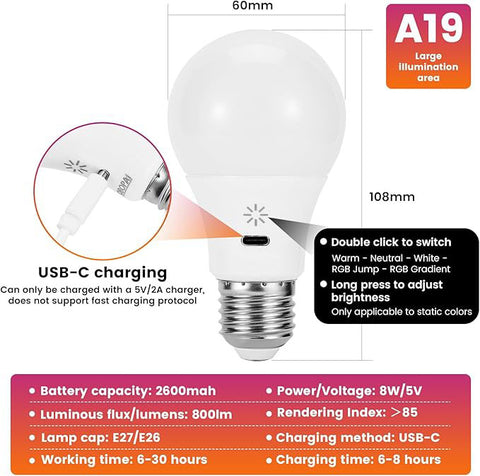
Battery operated light bulbs are lights that can run without a plug. Some are true screw-in bulbs (E26/E27, etc.) with a built-in battery designed for power outages, while others are fully portable battery lights that simply look like bulbs.
Common reasons people buy them
- Backup lighting for outages and storms
- No-wiring lighting for closets, pantries, sheds, and rentals
- Portable lighting for patios, camping, and temporary setups
- Quick safety light for stairs, hallways, and entryways
Types (and Which One You Need)
The right choice depends on whether you want a bulb that works in a standard socket, or a portable light that mounts anywhere.
| Type | Works in a standard lamp socket? | Best for | What to watch out for |
|---|---|---|---|
| Emergency backup bulb (built-in battery) | Yes | Outage-ready rooms, bedside lamps, entryways | Not all models behave the same in a switched-off lamp; check “outage mode” details |
| Rechargeable portable bulb (hook / magnet) | Sometimes | Garages, sheds, camping, temporary tasks | May not fit enclosed fixtures; charging access matters |
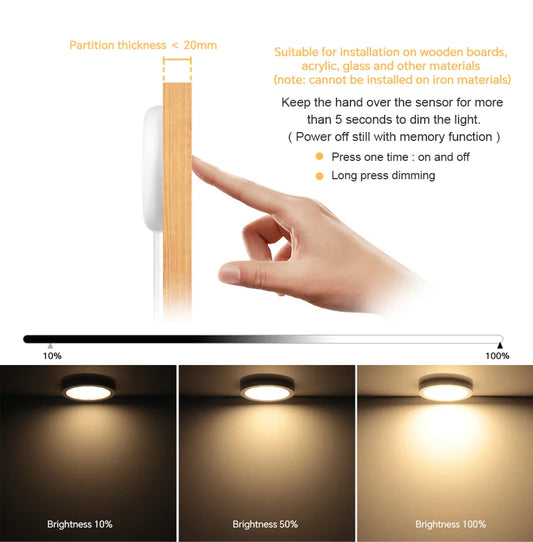
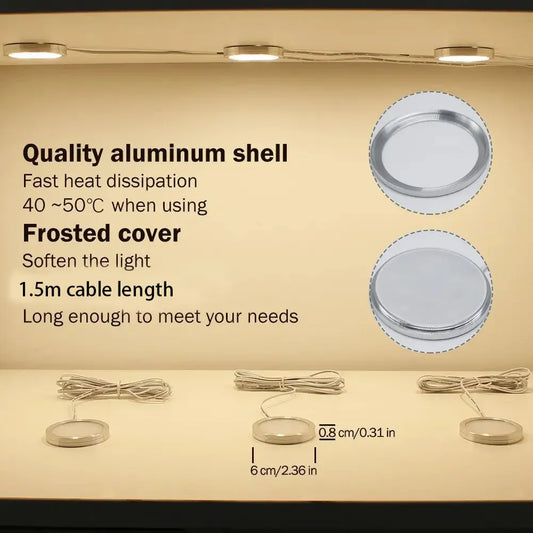
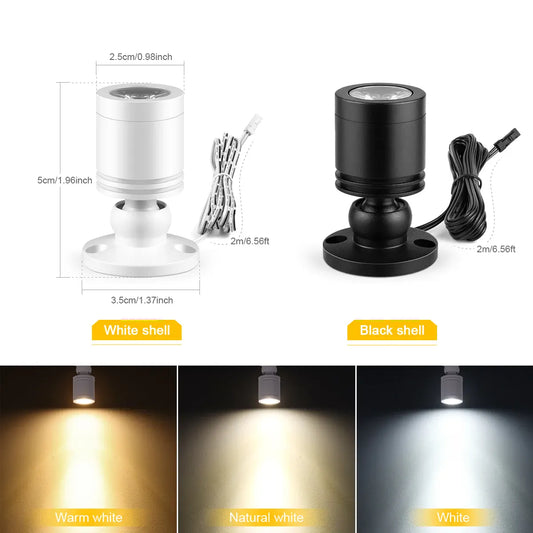
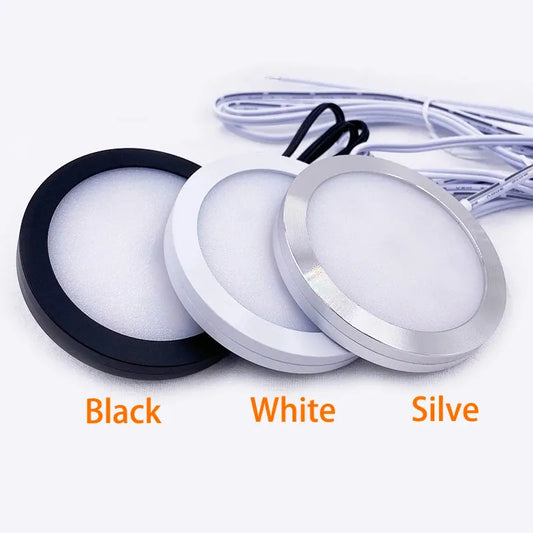
| Battery puck / tap light (often mislabeled as “bulb”) | No | Closets, cabinets, shelves, under stairs | Hot spots and narrow beams; check diffusion and sensor behavior |
| Remote-controlled battery bulb kit (bulb + proprietary holder) | No | Fast installs where you want “bulb-like” look | Locked into one system; replacements must match the holder |
Key Specs Checklist
To buy with confidence, read the listing like a spec sheet. These are the details that change real-world performance.
| Spec | Why it matters | Good target for most homes | When to adjust |
|---|---|---|---|
| Socket / base type | Determines if it fits your fixture (E26/E27, E12, etc.) | Match your existing bulb base | Check clearance in small shades and tight fixtures |
| Lumens (brightness) | Tells you how bright it is (more reliable than watts) | 200–600 lm for most battery lighting | Go lower for night lights; go higher for task lighting |
| CCT (color temperature) | Warm vs neutral vs cool appearance | 2700K–3000K warm, 3500K neutral | Match nearby lighting so the room looks consistent |
| CRI (color accuracy) | How natural objects and surfaces look | CRI 80+ baseline | Choose CRI 90+ for wardrobes, mirrors, art, and kitchens |
| Runtime (at each brightness level) | Battery life depends heavily on output level | Look for a stated runtime chart | If only one runtime is listed, assume it’s at low mode |
| Battery system | Convenience, cost, and long-term reliability | Rechargeable for daily use; replaceable for occasional | Hard-to-reach installs often favor replaceable batteries |
| Controls | Whether you actually use it daily | Dimming + timer (or auto-off) | Motion sensor helps in closets/hallways but can be annoying in living areas |
| Ratings | Durability and location safety | Damp-rated for bathrooms, IP-rated for outdoors | Enclosed fixtures need an “enclosed rated” product |
Brightness and Runtime: How to Pick the Right Output
Start with how you’ll use the light, then choose lumens and a realistic runtime at that brightness. When comparing bulbs, think lumens (brightness), not watts. (U.S. Department of Energy: https://www.energy.gov/energysaver/lumens-and-lighting-facts-label)
Quick lumen starting points
| Use case | Typical brightness target | Notes |
|---|---|---|
| Closets / pantries | 100–300 lm | Motion sensor + auto-off helps |
| Hallway night lighting | 50–150 lm | Warm CCT reduces harshness at night |
| Entryway / emergency room light | 200–600 lm | Prioritize reliable “outage mode” behavior |
| Task lighting | 400–800 lm | Expect shorter runtime at high brightness |
A simple runtime reality check
- Higher brightness = shorter runtime, often dramatically.
- Look for multi-level claims (e.g., “low/med/high runtimes”), not a single number.
- Prefer dimming so you can set “just enough” light and extend runtime.
Charging, Batteries, and Safety
Battery lighting is convenient, but battery systems need basic safety habits: use the right charger, avoid damaged packs, and follow the manufacturer’s storage and charging instructions. (CPSC battery safety overview: https://www.cpsc.gov/Regulations-Laws--Standards/Voluntary-Standards/Topics/Batteries)
Rechargeable vs replaceable
- Rechargeable (built-in): best for daily use and frequent dimming/timer control.
- Replaceable (AA/AAA): best for occasional use and hard-to-reach installs where charging is inconvenient.
Practical safety checklist
- Use compatible chargers and avoid “universal” no-name replacements.
- Don’t charge unattended overnight if the product warns against it.
- Replace damaged products (swelling, unusual heat, cracked housing).
- Avoid mixing old and new batteries in replaceable-battery products.
Installation and Compatibility
Compatibility is the step that prevents returns. Confirm the product is meant for your socket type, fixture style, and environment.
If you want a true “light bulb” in a socket
- Match the base (E26/E27, E12, etc.) and confirm the bulb shape fits the shade/fixture.
- Check fixture type: enclosed fixtures and recessed cans often need explicit “enclosed rated” products.
- Confirm switch behavior: some emergency bulbs need the wall switch on to detect an outage properly.
- Avoid dimmers unless supported: many battery and emergency bulbs are not designed for dimmer circuits.
If you want no-wiring lighting (no socket)
- Pick the mounting first (screws, adhesive, magnet) based on your surface and access.
- Choose the trigger (tap, remote, motion) based on how the space is used.
- Check location rating for bathrooms, garages, and outdoors.
Frequently Asked Questions
These answers cover common buying questions for battery operated light bulbs and battery-powered “bulb style” lights.
Do battery operated light bulbs work in normal lamps?
Some do. Emergency backup bulbs are designed to screw into a standard socket and can provide light during an outage. Many “battery bulbs” sold online are portable lights that do not screw into a standard socket.
Will an emergency backup bulb turn on automatically during a power outage?
Only if it’s designed for that behavior and installed in a compatible setup. Check the product listing for “outage mode,” “automatic emergency lighting,” and any requirements about the wall switch position.
How long do battery light bulbs last on a charge?
Runtime depends on brightness level. A high mode meant for task lighting usually lasts much less than a low mode meant for navigation or ambiance. Look for a runtime chart per brightness level.
Are battery operated bulbs safe in enclosed fixtures?
Only use them if the product is rated for enclosed fixtures. Heat management varies by design, and battery products can be more sensitive to high temperatures.
What should I prioritize for closets and pantries?
Motion sensor + auto-off, a wide beam (to reduce hot spots), and a moderate lumen level that won’t feel harsh at close range.
Conclusion: Next Steps
Choose battery operated light bulbs by identifying the correct category first (socketed emergency bulb vs portable battery light), then matching brightness, runtime at your chosen mode, color temperature, and controls. If the specs are clear and the use case is realistic, battery lighting is one of the simplest upgrades you can make without wiring.
- Pick a type: emergency backup bulb if you want a socket; portable/mountable light if you want no wiring.
- Shortlist specs: lumens, runtime per mode, CCT/CRI, dimming/timer, and mounting.
- Confirm compatibility: base type, fixture clearance, enclosure rating, and location rating.















 />
/>
 />
/>
 />
/>
 />
/>
 />
/>