

Under Cabinet Lighting Trends in 2026: What's New and What's Next
Table of Contents
- Introduction: The Evolution of Under Cabinet Lighting
- Smart and Connected Lighting
- Energy-Efficient LED Innovations
- Minimalist and Sleek Designs
- Multi-functional Lighting Features
- Sustainable Materials and Eco-Friendly Lighting
Under-cabinet lighting has come a long way from simple fluorescent fixtures to the smart, energy-efficient, and design-forward solutions we see today. In 2026, these lighting systems will not just illuminate your kitchen or workspace but also enhance your home’s overall functionality and aesthetics. With more emphasis on technology, sustainability, and innovation, under-cabinet lighting trends are evolving rapidly.
In this article, we’ll take a deep dive into the latest trends in under-cabinet lighting for 2026 and help you understand what’s new, what’s next, and how to incorporate these trends into your home.
Introduction: The Evolution of Under Cabinet Lighting
Under-cabinet lighting has evolved significantly over the past few years. It started as a functional lighting solution primarily for kitchens but has since transformed into a feature that blends both form and function. Today, under-cabinet lights offer more than just brightness—they create ambiance, provide task-specific illumination, and support energy-saving efforts.
In 2026, under-cabinet lighting has become a crucial part of home automation systems. As technology advances, these lighting solutions not only save energy but also provide convenience, comfort, and style. Let’s explore the trends and technologies that will define under-cabinet lighting in the coming years.
1. Smart and Connected Lighting
What’s New:
Smart lighting is now a standard feature in most modern homes, and under-cabinet lighting is no exception. As we move into 2026, more and more homeowners are choosing lights that can be controlled remotely via apps, voice assistants like Amazon Alexa and Google Assistant, and even automation systems. This means you can adjust your lighting to your specific needs without ever leaving your seat.
For example, you can set your under-cabinet lights to automatically dim or brighten based on the time of day or the task you’re performing, whether it’s cooking, cleaning, or entertaining.
Why It Matters:
- Convenience: Control your lights from anywhere using your smartphone or voice commands.
- Customization: Adjust color temperatures and brightness to suit different activities.
- Energy Efficiency: Smart lights automatically turn off when they’re not needed, saving electricity.
Key Features to Look For:
- App Integration: Popular smart systems like Lutron and Philips Hue allow you to control your lights via apps.
- Motion Sensors: Lights that turn on automatically when motion is detected make your kitchen more efficient.
- Voice Control: Hands-free control via Alexa or Google Assistant is becoming increasingly common.
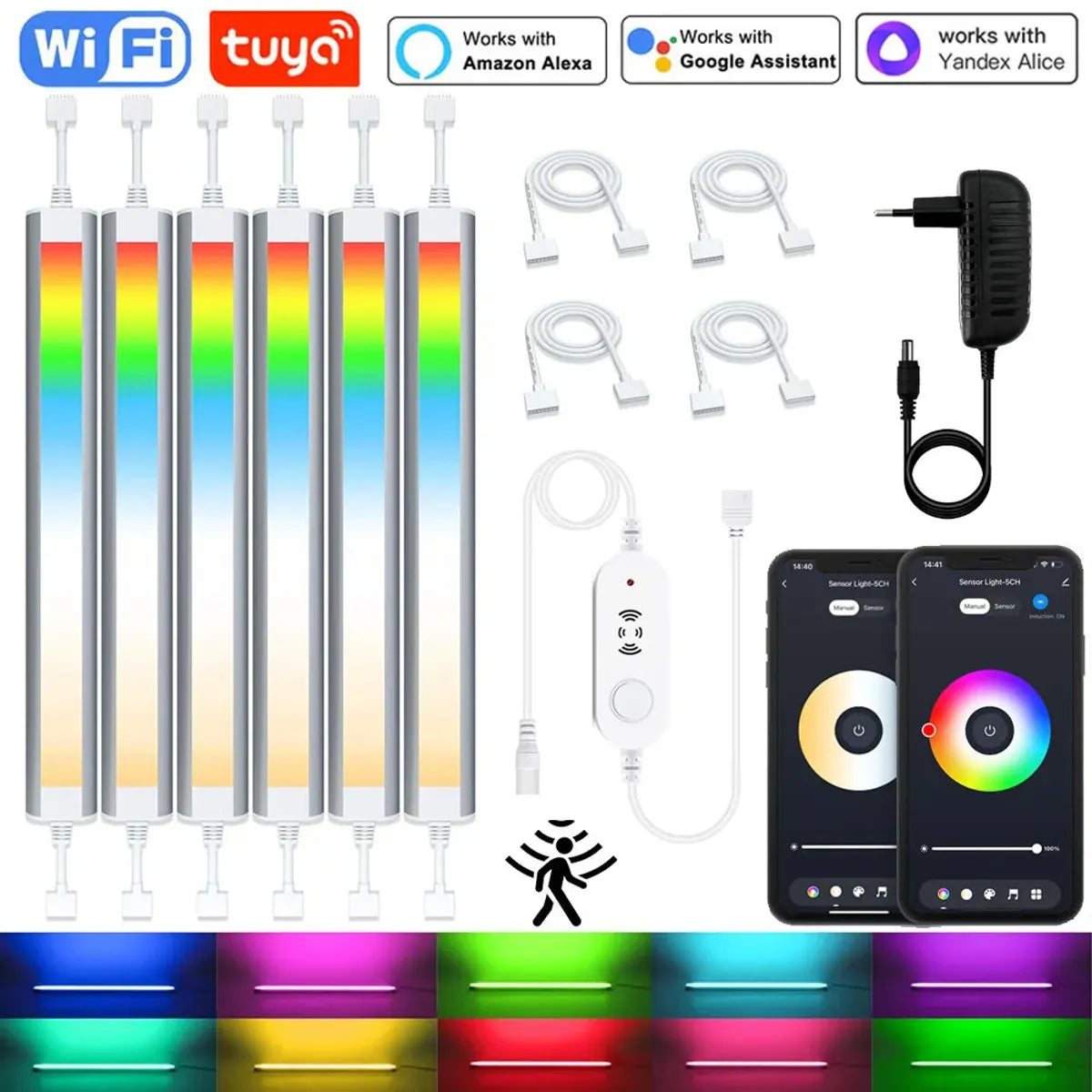
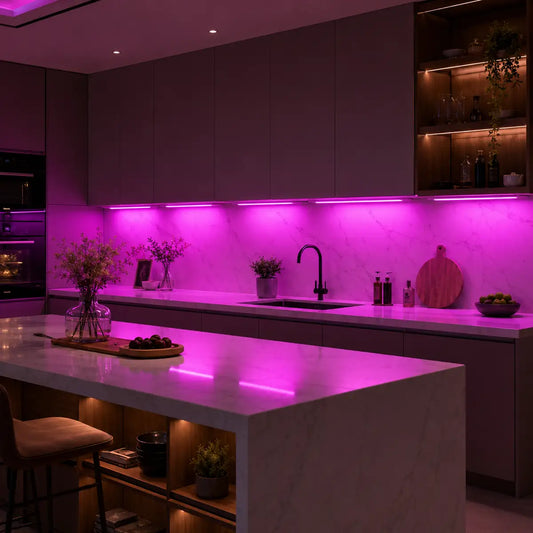
For users who want task lighting that adapts to daily routines and smart home setups, Wi-Fi–enabled bars offer both convenience and control. A 12V Tuya WiFi under-cabinet LED light bar with RGBCCT dimming and a motion sensor lets you automate lighting, adjust colors, and integrate seamlessly with voice assistants for hands-free operation.
2. Energy-Efficient LED Innovations
What’s New:
LED technology continues to dominate under-cabinet lighting, and 2026 will see even more advancements. LEDs are already known for their energy efficiency, but in 2026, they’ll be even more effective in terms of energy consumption, lifespan, and color rendering.
The key change will be the introduction of Tunable White LEDs, which allow you to adjust the color temperature of your lights from warm to cool tones. This is especially useful in kitchen spaces where different tasks require different lighting (e.g., bright cool lights for cooking, softer warm tones for dining).
Why It Matters:
- Longer Lifespan: LED lights last up to 50,000 hours compared to the 1,000-2,000 hours of incandescent bulbs.
- Reduced Energy Use: LEDs use up to 75% less energy than traditional incandescent lighting.
- Improved Color Rendering: New LED options will provide better color accuracy, making your kitchen look more vibrant.
Comparison Table: LED vs. Incandescent Lighting
| Feature | LED | Incandescent |
|---|---|---|
| Energy Consumption | 75% less energy use | High energy consumption |
| Lifespan | 50,000 hours or more | 1,000-2,000 hours |
| Heat Emission | Low | High |
| Color Temperature | Adjustable (warm to cool) | Fixed, yellowish |
| Environmental Impact | Environmentally friendly | Produces more CO2 emissions |
3. Minimalist and Sleek Designs
What’s New:
2026 sees a sharp shift toward more minimalist and integrated designs in under-cabinet lighting. Homeowners now prefer sleek, unobtrusive lighting solutions that blend seamlessly with their kitchen cabinets. Rather than bulky fixtures, many are opting for strip lights or linear LED panels that are installed directly under the cabinets or integrated into the cabinetry itself.
The idea is to create clean lines and a clutter-free environment, and with fewer visible cords and fixtures, the kitchen looks more polished and modern.
Why It Matters:
- Aesthetic Appeal: Under-cabinet lighting should complement your kitchen’s design, not overpower it.
- Space Optimization: Sleek designs are ideal for smaller spaces, allowing you to maximize functionality without sacrificing style.
- Hidden Installation: Hidden wiring and built-in lighting are more popular than ever, offering a clean, seamless appearance.
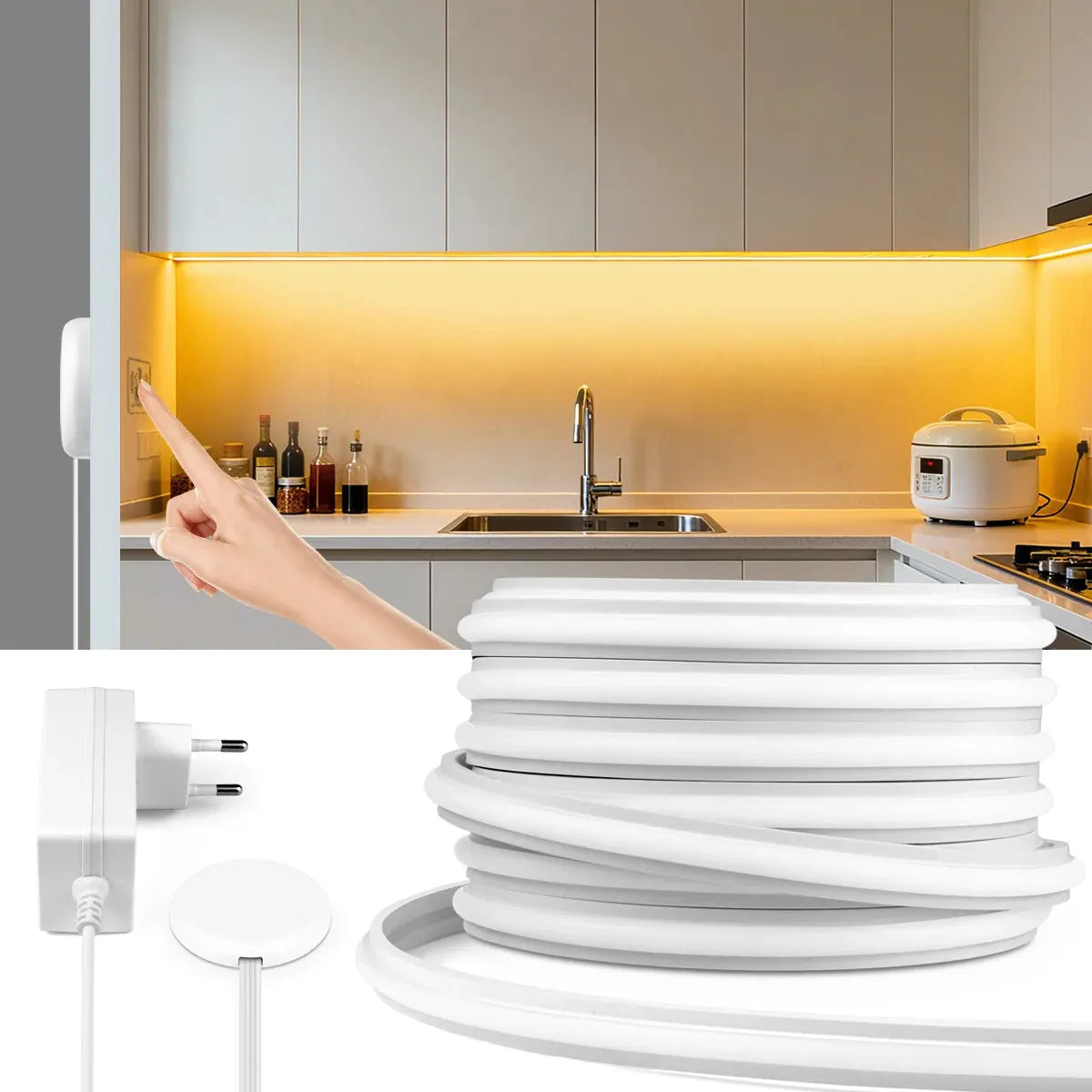
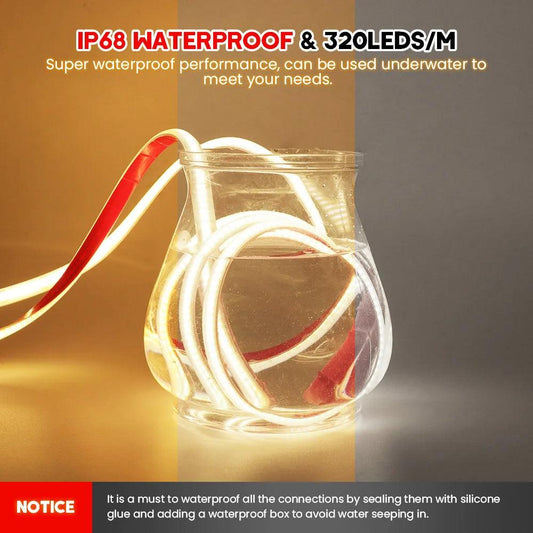
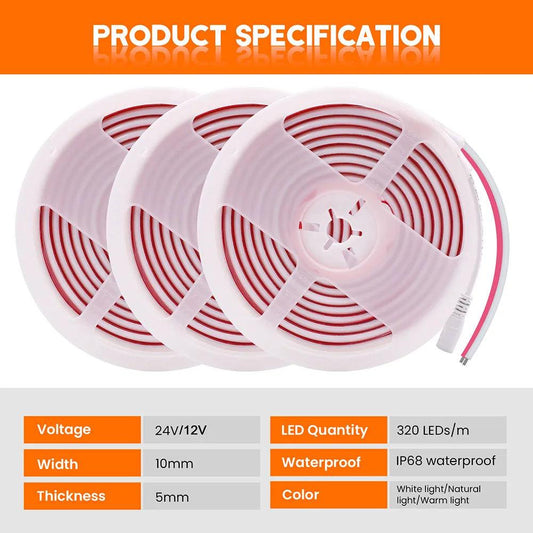
As cabinetry design moves toward cleaner lines and hidden details, lighting that blends into the surface becomes more important. A self-adhesive COB neon LED strip with a penetrating touch sensor delivers smooth, continuous light without visible hardware, supporting minimalist layouts while keeping control simple and unobtrusive.
4. Multi-functional Lighting Features
What’s New:
In 2026, under-cabinet lights are more than just sources of illumination—they’re becoming multifunctional. Many new systems come with motion sensors, dimmable features, and even built-in USB charging ports.
Imagine your kitchen counter illuminated by LED lights that automatically adjust based on the time of day and turn on when you approach. Some lights even come with adjustable brightness settings, making it easy to switch from bright task lighting to a soft, ambient glow for evening meals.
Why It Matters:
- Task Lighting + Ambiance: Multi-functional lighting allows you to easily shift from cooking mode to dining mode.
- Convenience: USB ports under cabinets offer a place to charge devices like smartphones, tablets, or even small kitchen gadgets.
- Automation: Lights that adjust to movement, time, or brightness levels improve energy efficiency.
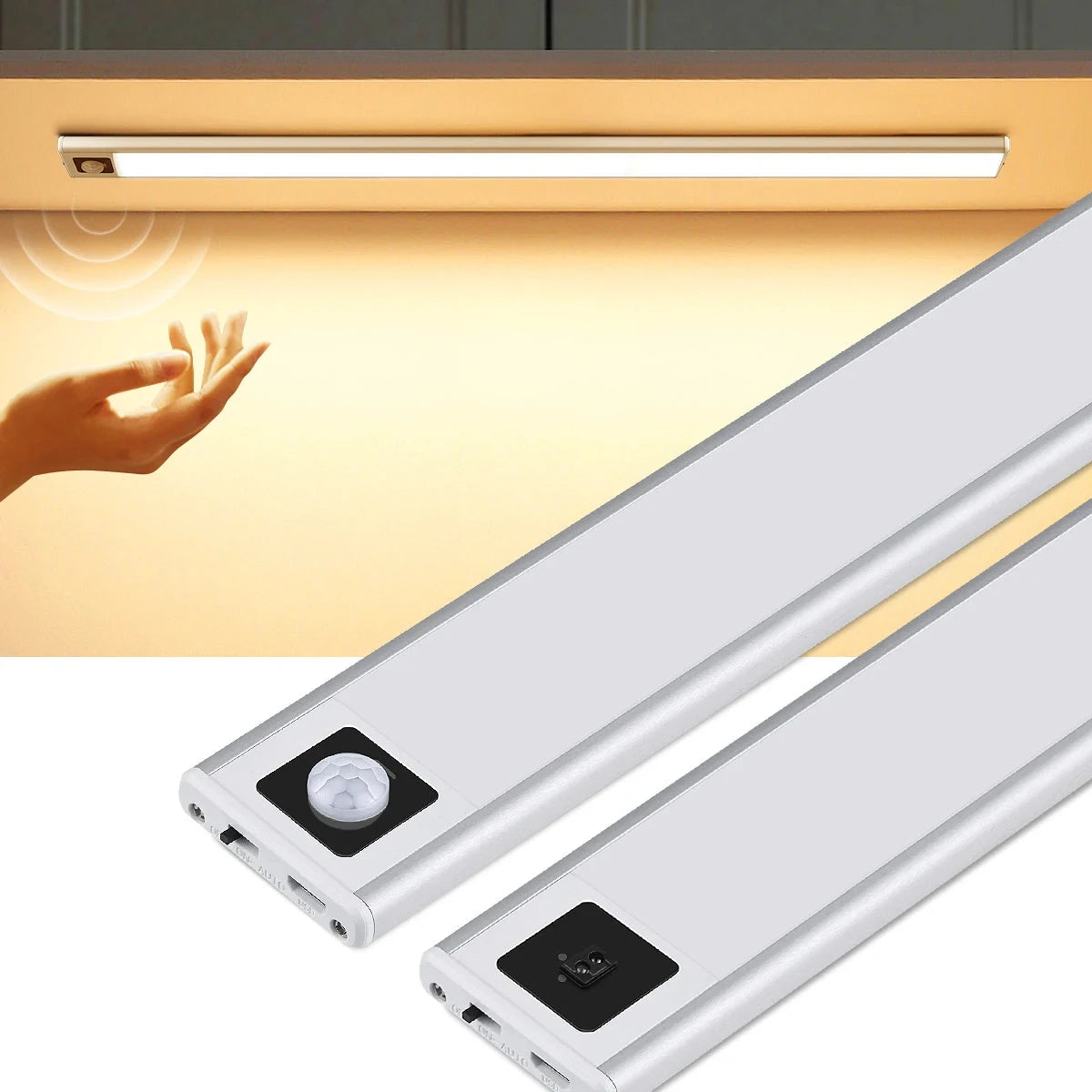
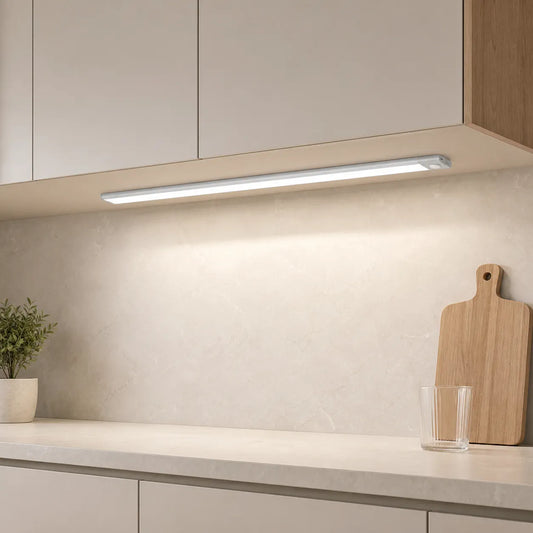
For users who want lighting to respond naturally to movement while keeping countertops uncluttered, multi-function light bars fit well into modern routines. An ultra-thin under-cabinet LED light bar with USB recharging and a smart sensor provides automatic illumination and easy power management without adding extra switches or cables.
5. Sustainable Materials and Eco-Friendly Lighting
What’s New:
Sustainability is at the forefront of 2026’s under-cabinet lighting trends. Eco-conscious consumers are looking for lighting systems made from recyclable materials and those that reduce overall waste. Manufacturers are focusing on eco-friendly designs, including energy-efficient bulbs, low-waste production methods, and non-toxic materials in the construction of the fixtures.
Some new fixtures will feature bamboo, recycled aluminum, and even biodegradable plastics as part of their commitment to reducing environmental impact.
Why It Matters:
- Eco-Friendly Production: The demand for sustainable materials is growing, and brands are responding with more eco-conscious options.
- Reduced Carbon Footprint: Energy-efficient LEDs and sustainable designs help reduce the overall carbon footprint of lighting.
- Healthier Homes: Non-toxic materials ensure a safer environment for you and your family.
Conclusion
Under-cabinet lighting is no longer just about providing light—it’s about enhancing the overall design and functionality of your space while embracing the latest technological innovations. From smart features and energy-efficient LEDs to minimalist designs and eco-friendly materials, the trends for 2026 reflect the growing demand for convenience, sustainability, and aesthetic appeal.
By choosing the right under-cabinet lighting for your home, you can create a more functional and stylish space that meets all of your needs—whether it's for cooking, entertaining, or simply relaxing. As the technology continues to evolve, expect even more exciting innovations in the years ahead.
Further Reading
Explore the full guide for this topic: How to Choose Under Cabinet Lighting: A Complete Decision Guide














 />
/>
 />
/>
 />
/>
 />
/>
 />
/>