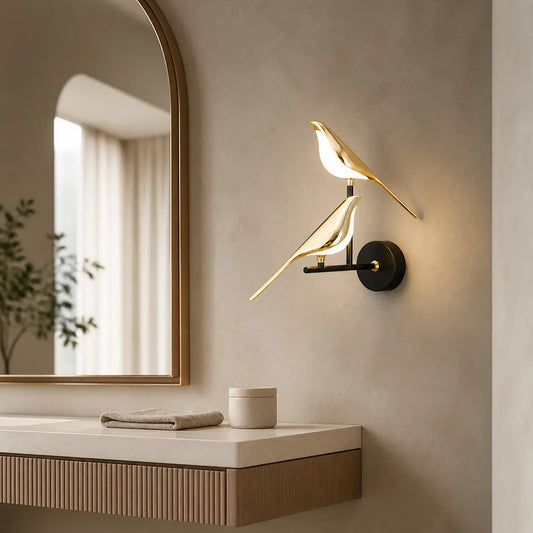
What Is Under Cabinet Lighting?
Under cabinet lighting refers to lighting installed beneath cabinets, shelves, or similar surfaces to provide focused illumination where overhead lighting is insufficient. It is commonly used for task lighting, accent lighting, or improving visibility in functional spaces such as kitchens, shelves, desks, and storage areas. While the concept is simple, effective under cabinet lighting depends on multiple factors including placement, light quality, power options, control methods, and long-term usability.
| Lighting Type | Primary Purpose | Typical Placement |
|---|---|---|
| Ambient Lighting | General illumination | Ceiling |
| Task Lighting | Focused visibility | Under cabinets |
| Accent Lighting | Visual emphasis | Shelves / displays |
Where Under Cabinet Lighting Is Used
Under cabinet lighting is commonly applied across different home spaces and furniture types, each with distinct lighting needs and layout considerations. Different use scenarios place unique demands on brightness, beam spread, mounting position, and control methods, making context an essential factor when evaluating under cabinet lighting solutions.
-
Kitchens
Explore under cabinet lighting for kitchensUnder cabinet lighting is widely used in kitchens to illuminate countertops, reduce shadows, and support everyday cooking and food preparation.
-
Desks & Workspaces
See under cabinet lighting for desks and workspacesUnder cabinet lighting applied to desks or work areas provides focused illumination without relying on overhead fixtures.
-
Cabinets & Storage Units
Learn about under cabinet lighting for cabinets and storageLighting integrated into cabinets, pantries, or storage units enhances visibility in utility and household storage areas.
-
Wardrobes & Closets
See under cabinet lighting for wardrobes and closetsUnder cabinet lighting installed in wardrobes or closets improves visibility for clothing storage and daily organization in enclosed spaces.
 />
/>
 />
/>
 />
/>
 />
/>
The Core Decisions Behind Under Cabinet Lighting
Key factors that shape how under cabinet lighting performs, installs, and holds up over time.
Choosing under cabinet lighting is rarely about selecting a product first. It involves understanding a set of foundational decisions that influence performance, compatibility, and long-term usability. Factors such as light output, power delivery, control methods, and durability interact with the physical constraints of your space and how the lighting is used daily. This section outlines the core considerations that consistently determine whether an under cabinet lighting setup feels effective, comfortable, and reliable over time.
-
Light Type & Form Factor
Learn how light types influence under cabinet lighting choicesUnder cabinet lighting comes in different forms such as light bars, LED strips, or puck lights, each affecting coverage, appearance, and installation flexibility.
-
Power Source & Wiring
Explore power and wiring considerations for under cabinet lightingPower options include hardwired, plug-in, and battery-powered lighting, which determine installation complexity and long-term reliability.
-
Brightness & Light Output
Understand brightness requirements for under cabinet lightingBrightness levels, measured in lumens, influence visibility and comfort depending on whether the lighting is used for tasks or general illumination.
-
Color & Light Quality
See how color and light quality impact under cabinet lightingColor temperature and color rendering affect how surfaces, objects, and materials appear under under cabinet lighting.
-
Controls & Automation
Discover control and automation options for under cabinet lightingControl options such as switches, dimmers, sensors, or smart controls shape how and when under cabinet lighting is used.
-
Durability & Long-Term Use
Learn what affects the long-term performance of under cabinet lightingFactors like heat management, materials, and certifications influence safety, lifespan, and maintenance over time.
 />
/>
 />
/>
 />
/>
 />
/>
 />
/>
 />
/>
Technology Behind Light Quality and Smart Control
Understand the factors that define brightness, color, and automation for under cabinet lighting, and how they affect performance and user experience.
Light quality and control technology directly influence how under cabinet lighting is perceived and used. Concepts such as brightness consistency, color accuracy, and responsiveness to user input define not only visual comfort but also functional efficiency. Understanding these technologies at a conceptual level helps clarify why different systems behave differently, even when they appear similar at first glance.
-
Brightness Fundamentals
Learn about brightness considerationsBrightness (lumens) determines how well tasks are illuminated and impacts comfort under cabinets. Consider uniformity and intensity for different home spaces.
-
Color Temperature
Explore color temperature in under cabinet lightingColor temperature affects the perceived warmth or coolness of light, influencing ambiance, visibility, and material appearance.
-
Color Rendering
Understand color rendering effectsColor Rendering Index (CRI) indicates how accurately colors appear under the light. Higher CRI improves visual clarity and comfort.
-
Smart Switches & Dimmers
Learn about smart controls and dimmingSwitches, dimmers, and app controls allow users to adjust lighting intensity and schedules, improving usability and energy efficiency.
-
Sensors & Automation
Explore sensor-based automationMotion sensors, ambient light sensors, and automation systems enable adaptive lighting that responds to environment and usage patterns.
-
Integration & Compatibility
Discover integration best practicesLight quality and smart controls must integrate with power sources, controllers, and existing home systems for optimal performance and longevity.
 />
/>
 />
/>
 />
/>
 />
/>
 />
/>
 />
/>
Installation, Power, and Compatibility Considerations
Practical constraints that determine what under cabinet lighting solutions are feasible in your space.
Power Source Availability
How your under cabinet lighting is powered determines installation complexity and available control options.
- Hardwired power: Requires access to in-wall wiring and is often planned during renovations or new builds.
- Plug-in power: Uses nearby outlets inside or above cabinets and is easier to retrofit in existing homes.
- Low-voltage systems: Rely on external drivers or transformers that must be compatible with the lighting system.
Cabinet Structure & Physical Constraints
Cabinet design and available space directly affect mounting methods and lighting placement.
- Cabinet depth and overhang: Influence whether fixtures are visible or concealed.
- Surface materials: Wood, metal, or composite surfaces determine mounting techniques.
- Interior vs exterior mounting: Lights may be installed inside cabinets, on shelves, or under edges.
- Modification limits: Some cabinets cannot be drilled or altered without damage.
Dimming, Control, and System Compatibility
Lighting performance depends on how well lights, controls, and power systems work together.
- Dimming compatibility: Not all lights are compatible with all dimmers, which may cause flicker or noise.
- Control method matching: Wall switches, remotes, or smart apps must support the lighting system.
- Voltage and driver alignment: Mismatched drivers affect stability and lifespan.
- Smart system integration: Compatibility varies across smart home platforms.
Maintenance, Safety, and Long-Term Use
What affects durability, safety, and upkeep when living with under cabinet lighting over time. Long-term considerations are often overlooked during selection, yet they play a critical role in safety, maintenance effort, and overall satisfaction years after installation.
Expected Lifespan
Long-term performance depends on component quality, heat control, and operating conditions.
- Thermal design impacts LED lifespan
- Drivers influence long-term stability
- Continuous use accelerates wear
Heat Management & Safety
Heat buildup is a primary safety concern in enclosed cabinet environments.
- Poor airflow increases overheating risk
- Heat affects nearby cabinet materials
- Rated components reduce safety issues
Cleaning & Ongoing Care
Regular cleaning helps maintain brightness and appearance over time.
- Dust and grease reduce light output
- Kitchen use accelerates buildup
- Accessible mounting simplifies care
Certifications & Compliance
Safety certifications indicate compliance with electrical and thermal standards.
- Certified products meet safety requirements
- Standards vary by region
- Compliance reduces long-term risk
Explore More Under Cabinet Lighting Guides
Looking to go deeper?
Explore our complete set of in-depth guides covering selection, installation, light quality, smart features, and long-term use of under cabinet lighting.
-
How to Choose Under Cabinet Lighting
Explore the decision guideA step-by-step decision framework covering layout, brightness needs, light quality, and common trade-offs—designed to help you choose with confidence.
-
Under Cabinet Lighting for Every Home Space
View space-specific guidanceHow under cabinet lighting works across kitchens, shelves, desks, display cabinets, and more—plus what changes from space to space.
-
Under Cabinet Lighting Installation Guide
Learn about installation optionsWhat’s possible in your home based on power access, cabinet structure, wiring options, and mounting constraints.
-
Light Quality for Under Cabinet Lighting
Dive into light quality basicsUnderstand color temperature, brightness levels, glare control, and visual comfort—and how each affects everyday use.
-
Smart Under Cabinet Lighting Guide
Explore smart lighting featuresAn overview of smart controls, sensors, dimming methods, and automation possibilities for modern under cabinet lighting systems.
-
Living with Under Cabinet Lighting
Read about long-term useWhat to expect over time: lifespan, heat management, safety considerations, cleaning, and certifications.
 />
/>
 />
/>
 />
/>
 />
/>
 />
/>
Latest Under Cabinet Lighting Articles

Complete Guide to Smart Under Cabinet Lighting:...
Comprehensive smart under‑cabinet lighting guide: motion, presence and ambient sensors; voice control; dimming, scenes and schedules; Matter/Alexa compatibility; flicker‑free low‑end; reliable local automation.
Complete Guide to Smart Under Cabinet Lighting:...
Comprehensive smart under‑cabinet lighting guide: motion, presence and ambient sensors; voice control; dimming, scenes and schedules; Matter/Alexa compatibility; flicker‑free low‑end; reliable local automation.

Choosing the Right Materials for Under Cabinet ...
Pick aluminum channels and opal/frosted optics to cut glare and improve uniformity. Match beam to surface; add glass accents for clarity; verify comfort with dimming.
Choosing the Right Materials for Under Cabinet ...
Pick aluminum channels and opal/frosted optics to cut glare and improve uniformity. Match beam to surface; add glass accents for clarity; verify comfort with dimming.

Glare Control for Under Cabinet Lighting: Achie...
Reduce under-cabinet glare with diffused optics, 1–2 in front setback, and flicker-free dimming to keep counters clear; use wider beams on glossy surfaces for comfort.
Glare Control for Under Cabinet Lighting: Achie...
Reduce under-cabinet glare with diffused optics, 1–2 in front setback, and flicker-free dimming to keep counters clear; use wider beams on glossy surfaces for comfort.

How Brightness Affects Your Under Cabinet Light...
Choose the right under-cabinet brightness: target 30–50 fc and 300–500 lm/ft; use diffusion and front placement; set dimming presets for safe prep and relaxing evenings.
How Brightness Affects Your Under Cabinet Light...
Choose the right under-cabinet brightness: target 30–50 fc and 300–500 lm/ft; use diffusion and front placement; set dimming presets for safe prep and relaxing evenings.

Light Quality for Under Cabinet Lighting: Color...
Under cabinet lighting made clear: pick color temperature, set brightness (300–500 lm/ft, 30–50 fc), add diffusion, tune dimming. CRI ≥ 90; front placement reduces glare.
Light Quality for Under Cabinet Lighting: Color...
Under cabinet lighting made clear: pick color temperature, set brightness (300–500 lm/ft, 30–50 fc), add diffusion, tune dimming. CRI ≥ 90; front placement reduces glare.

Where Should Under Cabinet Lights Be Mounted?
Under‑cabinet LED mounting made clear: front, rear, center, or near wall to balance task and ambient light. Practical diffuser, glare control, and brightness tips.
Where Should Under Cabinet Lights Be Mounted?
Under‑cabinet LED mounting made clear: front, rear, center, or near wall to balance task and ambient light. Practical diffuser, glare control, and brightness tips.
Shop Our Top Under Cabinet Lighting
-
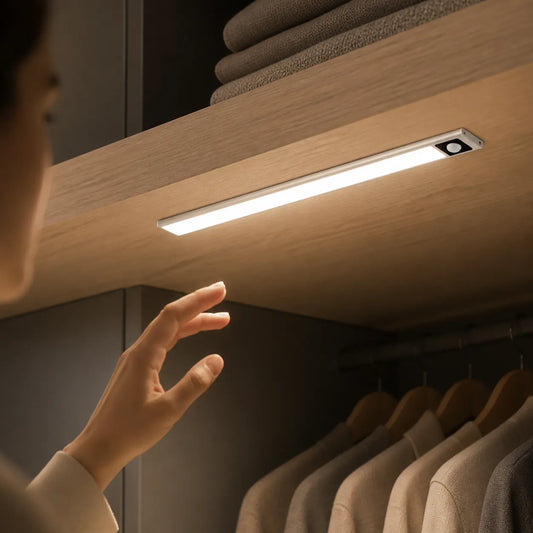
Touch & Hand Sweep Sensor Under Cabinet LED Light Bar - No-Drill, 7mm Ultra-Thin
Regular price From $47.99 USDRegular priceUnit price per$61.99 USDSale price From $47.99 USD22% OFF -
Tuya WiFi Under Cabinet LED Light Bar - 6-Pin RGBCCT, Dimmable, Motion Sensor
Regular price From $77.99 USDRegular priceUnit price per$110.99 USDSale price From $77.99 USD29% OFF -
Rechargeable Wireless Under Cabinet LED Light Bar - Motion Sensor, 3 Color Temperatures, USB-C
Regular price From $19.99 USDRegular priceUnit price per$19.99 USDSale price From $19.99 USD -
Ultra-Thin Under Cabinet LED Light Bar - USB Rechargeable, Smart Sensor
Regular price From $23.99 USDRegular priceUnit price per$29.99 USDSale price From $23.99 USD20% OFF -
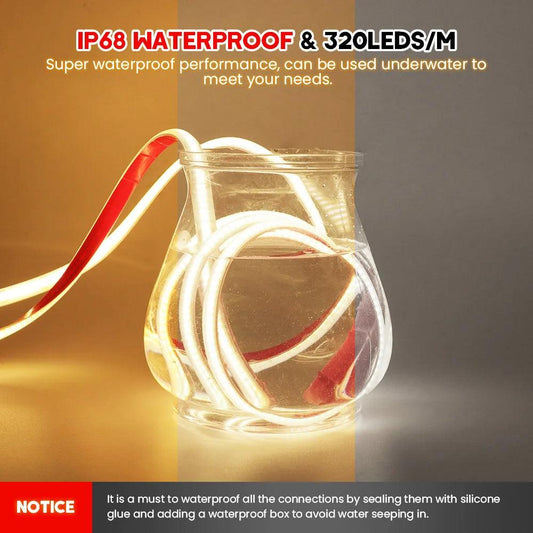
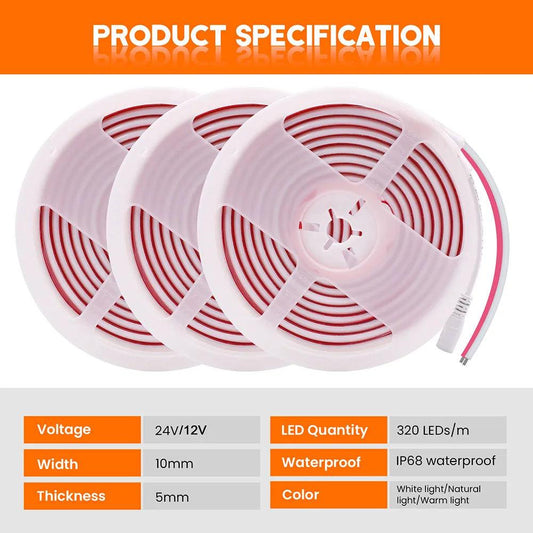
12V IP68 Waterproof COB LED Strip Light - Milky or Clear Silicone Tube
Regular price From $17.99 USDRegular priceUnit price per$17.99 USDSale price From $17.99 USD -
24V IP68 Waterproof COB LED Strip Light - Milky or Clear Silicone Tube
Regular price From $17.99 USDRegular priceUnit price per$17.99 USDSale price From $17.99 USD






Explore Popular Indoor Lighting
-
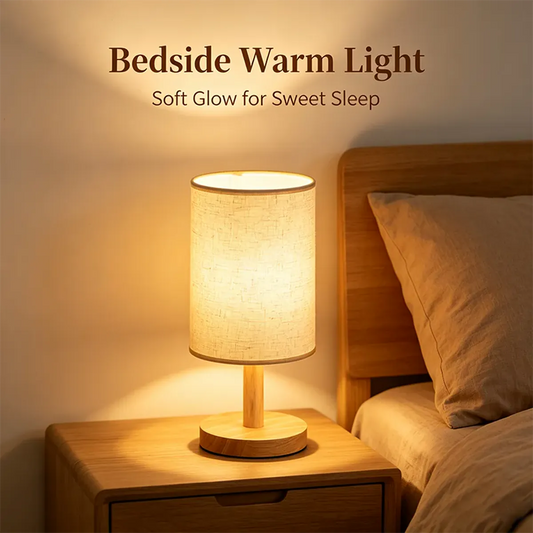
Chinese Style Dimmable LED Table Lamp - USB Plug, Fabric Shade, Bamboo Wood Base
Regular price $49.95 USDRegular priceUnit price per$89.95 USDSale price $49.95 USD44% OFF -

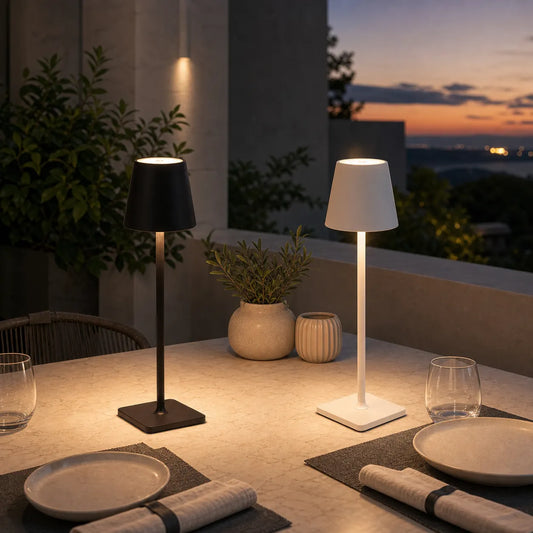
Sculptural Cordless LED Table Lamp - 3-Color Touch Dimming, USB-C Rechargeable, IP54 Waterproof
Regular price $67.99 USDRegular priceUnit price per$113.99 USDSale price $67.99 USD40% OFF -
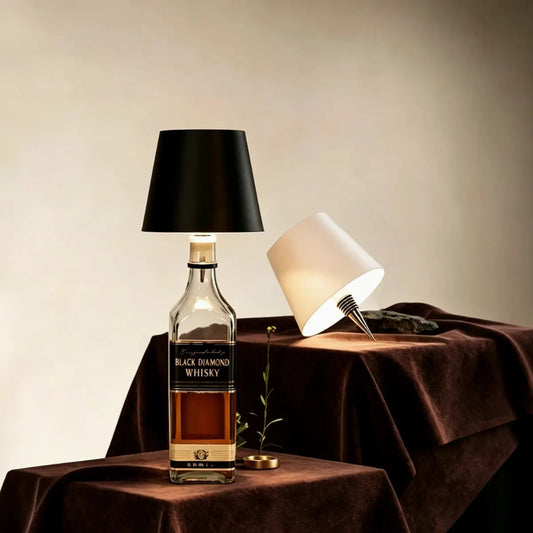
Rechargeable LED Bottle Lamp - Cordless Wine Bottle Light Insert, Dimmable Table Decor
Regular price $39.99 USDRegular priceUnit price per$69.99 USDSale price $39.99 USD42% OFF -
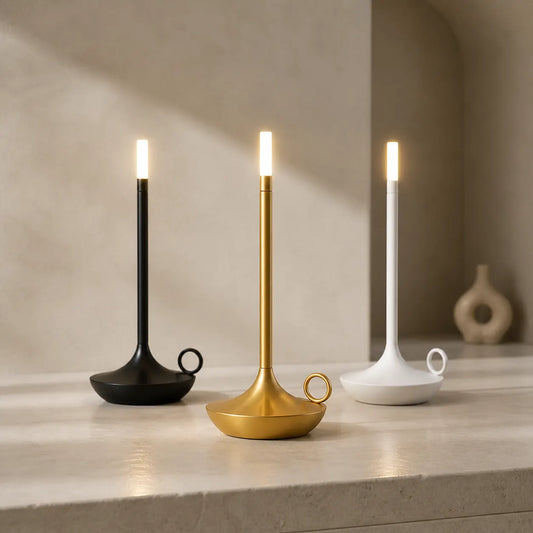
Vintage Candlelight LED Table Lamp - Touch Dimming, USB Rechargeable
Regular price From $57.99 USDRegular priceUnit price per$67.99 USDSale price From $57.99 USD14% OFF -
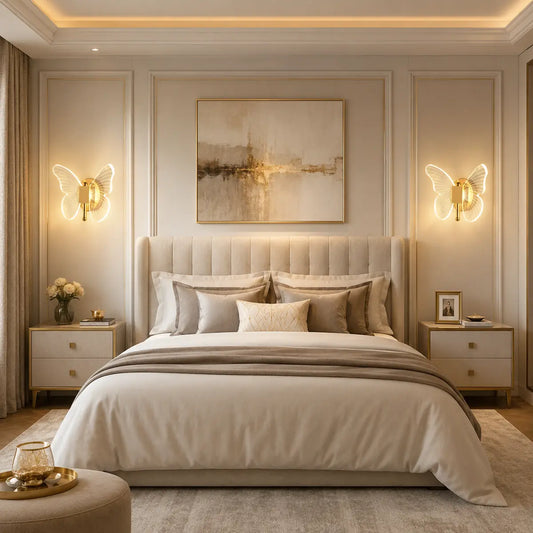
Modern Metal Acrylic Butterfly LED Wall Light - Tricolor Dimming, Decorative Sconce
Regular price $89.99 USDRegular priceUnit price per$129.99 USDSale price $89.99 USD30% OFF -
Nordic Golden Bird LED Wall Sconce - Adjustable Angle, Creative Design
Regular price From $69.99 USDRegular priceUnit price per$118.99 USDSale price From $69.99 USD41% OFF