

Mood Lighting in Bedrooms: How Color and Temperature Control Improve Sleep and Relaxation
Table of Contents
- 1. What Mood Lighting Is (and Isn’t)
- 2. Why Evening Light Changes Sleep and Relaxation
- 3. Best Light Colors for Sleep: Warm White, Amber, and Red
- 4. Color Temperature vs. Brightness: Which Matters More?
- 5. Scene Recipes You Can Copy
- 6. A Practical Bedroom Mood-Lighting Plan
- 7. Smart Mood Lighting Options (and What to Look For)
- 8. Placement Rules That Prevent Glare
- 9. Mood Lighting and Mental Health: A Practical View
- 10. Common Mistakes (and Fixes)
- 11. FAQs
- 12. Conclusion
1. What Mood Lighting Is (and Isn’t)
In bedrooms, mood lighting means a setup that lets you change:
- Brightness: so you can go from functional to calm without turning lights off completely.
- Color temperature (warm ↔ cool): so evenings feel softer and mornings feel clearer.
- Distribution: so light lands where you need it (bedside, closet, floor path) instead of blasting the whole room.
It is not the same thing as clinical “light therapy.” Mood lighting supports comfort and routines; clinical light therapy is a medical intervention with specific timing and intensity.
2. Why Evening Light Changes Sleep and Relaxation
Light is the strongest environmental cue for your circadian rhythm. The National Institute of General Medical Sciences (NIH) explains that light information from the eyes helps regulate the body’s clock and the timing of melatonin production (nigms.nih.gov).
What this means in real life: bright indoor lighting in the evening can shift melatonin timing later. A controlled study found that ordinary room light before bedtime suppressed melatonin onset and shortened melatonin duration compared with dim light. A field study also showed that changing typical home lighting in the hours before bedtime shifted circadian timing (pmc.ncbi.nlm.nih.gov).
The takeaway: your “mood lighting” setup should make it easy to run a dimmer, warmer evening environment without losing basic visibility and comfort.
Why “blue-ish” light feels more stimulating at night
Your eyes send light signals to the body clock through multiple pathways. One key pathway involves melanopsin-sensitive retinal cells (often discussed in circadian research as ipRGCs), which respond strongly to short-wavelength light and contribute to alerting effects at night. This is why “cool” or blue-enriched light can feel activating even when your room is not extremely bright.
In other words, you get two practical levers for a calmer bedroom: reduce intensity and shift the spectrum warmer. Research on evening light shows that even bedroom-level lighting can suppress melatonin, and that spectral tuning (reducing short wavelengths) can reduce circadian stimulation at the same visual brightness.
The “room light problem” most bedrooms run into
Many bedrooms have only one “big light” that is either fully on or fully off. That forces an unhealthy choice: stay bright until sleep, or sit in darkness too early. Mood lighting solves this by creating a comfortable middle zone: low glare, low effort, and easy to repeat nightly.
3. Best Light Colors for Sleep: Warm White, Amber, and Red
For most bedrooms, the most useful approach is not “pick one perfect color.” It is to use a warm range at night and keep cooler light for mornings and daytime tasks.
| Light appearance | How it typically feels | Best bedroom use |
|---|---|---|
| Warm white (often ~2700–3000K) | Natural, flattering, relaxed | Evening general light and reading |
| Extra-warm / amber (often ~1800–2400K) | Cozy, “lamp glow,” calmer at night | Wind-down scenes and late-night ambience |
| Very warm / red night lighting | Low stimulation when you wake at night | Night path lighting, quick bathroom trips |
| Cooler white (often 4000K+) | Crisper, more alerting | Morning tasks only (avoid late evening use) |
Important nuance: “warm color” helps, but brightness and glare can still keep you stimulated. Color is one lever; comfort is the whole system.
To create the ideal sleep environment, using warm light in the evening helps signal to your body that it's time to wind down. The USB-powered RGBIC Smart Corner Floor Lamp lets you easily adjust the light to a warm white or amber tone, while its dimmable feature provides the perfect ambiance for relaxation. Whether you're winding down or setting the mood with music sync, this smart lamp adapts to your needs, enhancing both your sleep and overall bedroom atmosphere.

4. Color Temperature vs. Brightness: Which Matters More?
Both matter, but if you are choosing where to put effort first, start with brightness control. A dim, comfortable room light is often better for wind-down than a super-warm bulb blasting the room.
Use this priority order
- Dimming that works at low levels: a bedroom needs stable, pleasant low light.
- No bulb glare from the bed: shield the source (shade, diffuser, indirect placement).
- Warm evening setting: use warmer light for wind-down and night navigation.
- Cooler morning setting (optional): helpful for getting ready, but not required.
What “good dimming” actually means in a bedroom
Many lights can dim on paper but feel unpleasant in a bedroom because the light quality changes at low levels. A good bedroom dim should stay stable and comfortable when you are half-asleep. Three practical indicators:
- Low-end stability: the light stays on smoothly at very low levels (no dropouts, no sudden jumps).
- No visible flicker: especially noticeable in peripheral vision when you move your hand or shift your gaze.
- Color stays believable: warm light should still render skin tones and fabrics naturally, not grey or green.
Spec-sheet checklist (useful even if you don’t love specs)
- Warm dim / dim-to-warm: if you want the “incandescent fade” feeling without changing scenes manually.
- High color quality: CRI 90+ is a practical baseline for bedrooms where comfort matters.
- Diffusion: frosted bulbs, shades, or diffusers make small light sources feel larger and calmer.
- Control compatibility: mismatch between bulb and dimmer is a common cause of flicker and buzz.
- Color consistency: “warm” can still vary; choose the same bulb family for bedside pairs.
- Noise and indicators: avoid devices with bright status LEDs pointed at the bed.
5. Scene Recipes You Can Copy
Most people don’t want more “features.” They want two or three reliable buttons. These scene recipes map to real behaviors.
Evening (default)
- Goal: calm visibility without feeling “bright.”
- Lighting: warm, dimmed main light + one bedside/table lamp.
Read
- Goal: light the page, not the whole room.
- Lighting: directional bedside light or shaded lamp; keep other lights lower.
Night Path
- Goal: safe navigation with minimal stimulation.
- Lighting: low-level under-bed / toe-kick / plug-in night light in a very warm or red tone.
Wake
- Goal: gentle ramp-up instead of a sudden blast.
- Lighting: gradually brighter and more neutral over time, especially if you wake before sunrise.
Two small upgrades that make scenes “stick”
- One control point: put your Evening/Read/Night Path control where your hand already goes (bedside, wall at the door, or both).
- Separate “comfort light” from “task light”: if one fixture is asked to do everything, you’ll keep it too bright. Give reading its own dedicated light so the rest of the room can stay calm.
If you share the bedroom
Shared bedrooms fail when one person needs light and the other needs darkness. Build the Read scene around a directional, shielded bedside light that stays on one side of the bed, and keep the room’s ambient light low. This reduces “light spill” onto the other pillow and minimizes the temptation to turn on the ceiling fixture.
6. A Practical Bedroom Mood-Lighting Plan
If you want mood lighting that feels intentional (not like random LEDs), design it as a small system. A good bedroom system solves four distinct problems, so you don’t force one light to do everything:
Layer 1: Soft ambient for “being in the room”
This is the light you use for winding down, making the bed, or talking. It should be warm, dimmable, and shielded from view when you’re lying down. If your only ambient option is a ceiling fixture, consider adding a shaded floor lamp or a wall sconce that throws light onto a wall.
Layer 2: Task light for reading and detail work
Task light should be aimed and contained. That can be a bedside lamp with a good shade, a swing-arm wall light, or a directional reading light. The key is to keep task light off the ceiling so your Read scene doesn’t accidentally become “bright room mode.”
Layer 3: Accent light for depth and calm
Accent light is how you make a bedroom feel soft without turning everything up. Aim accent lights at vertical surfaces (walls, curtains, art) or hide strips so you see glow rather than dots. This raises perceived comfort while keeping actual brightness low.
Layer 4: Night-path light for safety
Night lighting should live near the floor and be very low. The goal is feet visibility, not facial illumination. Under-bed glow, a toe-kick light, or a warm plug-in night light can reduce midnight “full wake-ups” caused by turning on bright fixtures.
Controls: make the calm option the easiest option
Most “sleep-friendly” advice fails because it adds steps. Make the Evening scene a single action (one switch, one button, one voice command, or one routine). If you have to open an app every night, you’ll stop using it.
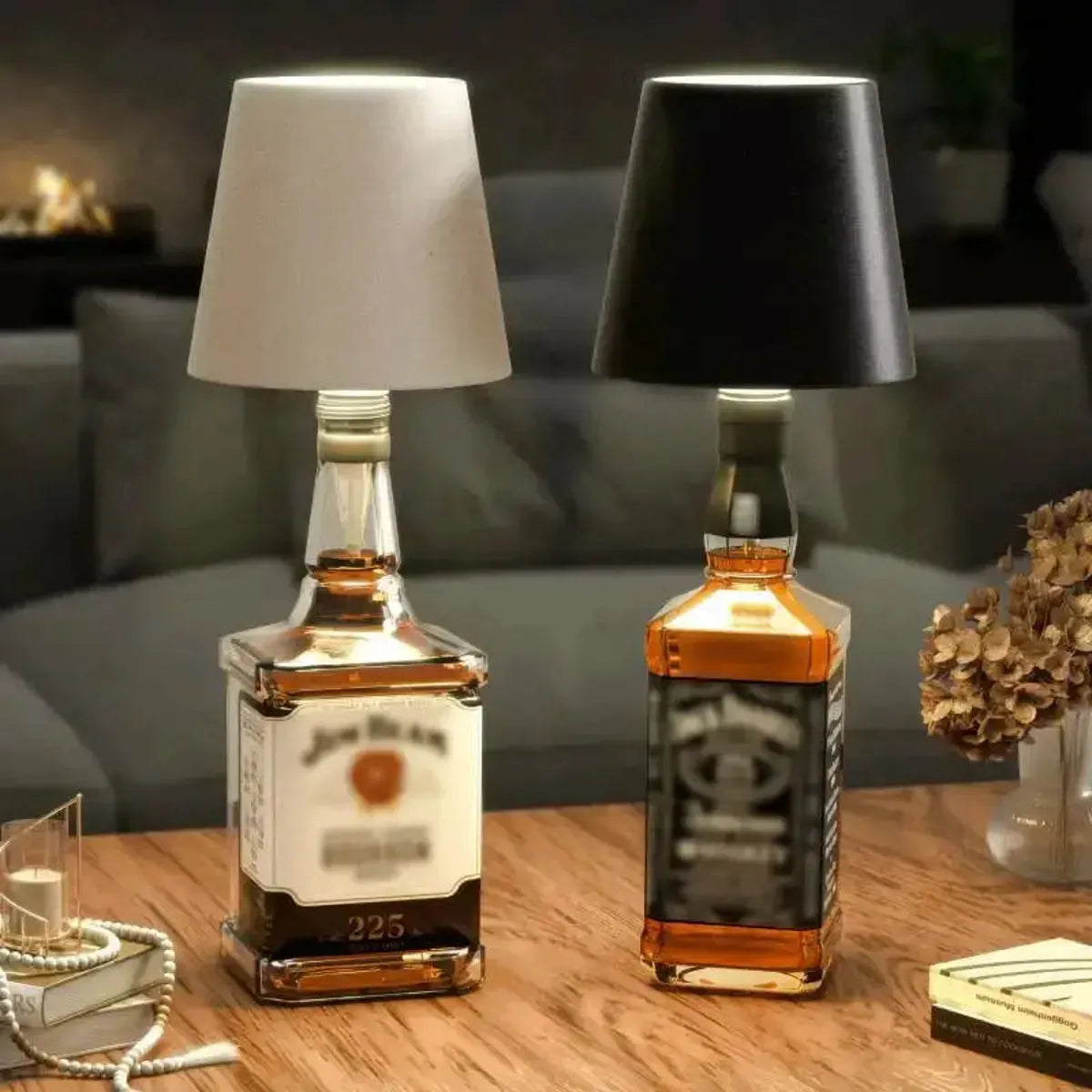
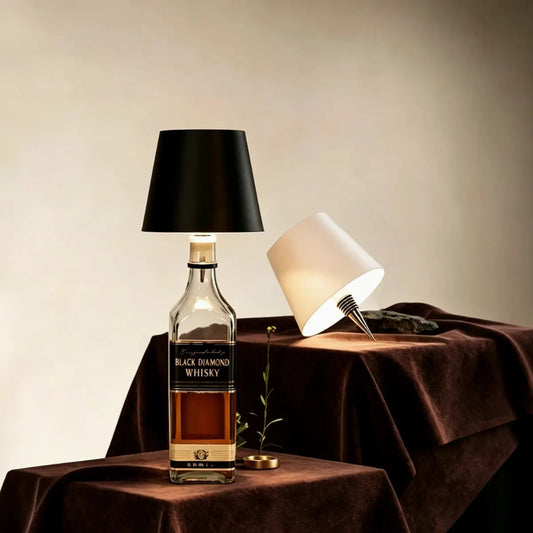
For a well-balanced bedroom lighting system, it's essential to have distinct layers for different moods and functions. The Creative LED Bottle Table Lamp is perfect for adding a touch of intentionality to your setup, offering a portable headlight with dimmable settings to adapt to different needs. USB rechargeable, it lets you easily create the ideal ambiance, whether for reading, winding down, or setting a cozy mood without overwhelming the space.
7. Smart Mood Lighting Options (and What to Look For)
Smart lighting is useful in bedrooms when it reduces friction. Look for these features rather than chasing brand names:
- Warm dim or tunable white: lets evenings stay warm without losing usability.
- Stable low-end dimming: if it flickers or drops out at low levels, it will be annoying at night.
- Scene control: one tap for Evening, Read, and Night Path beats complex automation.
- Local control fallback: a bedroom should still be usable if Wi‑Fi is down.
Choose the right “smartness” level
- Simple: dimmable warm lamp + plug-in night light. Best if you want zero maintenance.
- Scene-based: smart bulbs or smart plugs + one-button scenes. Best balance of effort and benefit.
- Automated: schedules and gradual ramps. Best when your sleep schedule is consistent.
Bedroom-specific pitfalls to avoid
- Over-automation: if a motion sensor turns lights on too bright at night, you’ll disable the whole system.
- Indicator LEDs: tiny blue status lights can be surprisingly distracting in a dark room.
- Mismatched pairs: two bedside bulbs with different “warmth” look sloppy and feel less relaxing.
For energy efficiency, LEDs are a strong default choice; the U.S. Department of Energy notes that LEDs use much less energy and last much longer than incandescent lighting (energy.gov).
8. Placement Rules That Prevent Glare
Many “mood lighting” setups fail because the bulb is visible from bed. Fixing placement and shielding often improves comfort more than changing color temperature.
- Bedside lamps: choose shades that hide the bulb from pillow sightlines.
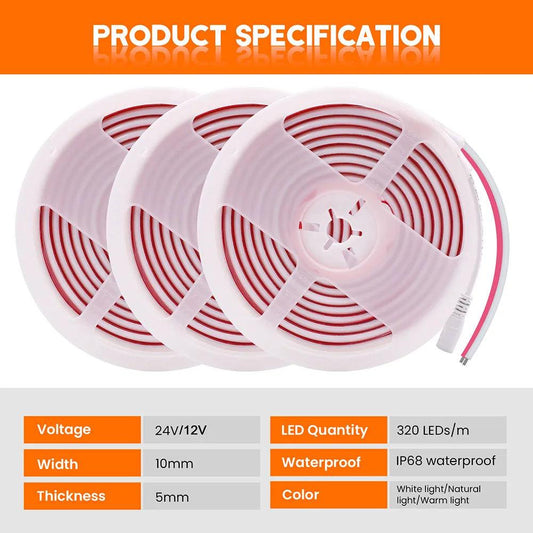
- LED strips: hide the strip (cove, behind headboard, under bed) so you see glow, not points.
- Accent lights: aim at walls or curtains for a softer, reflected effect.
- Night lighting: keep it low to the ground so it guides your feet, not your eyes.
Two fast tests designers use
- Pillow test: lie down in your normal sleep position. If you can see the light source directly, it will feel harsh at night even if it is “warm.”
- Mirror test: if a mirror reflects a bright source from bed, move or shield that light. Reflections are a common hidden glare problem in bedrooms.
9. Mood Lighting and Mental Health: A Practical View
Lighting affects mood in two realistic ways:
- Indirectly, by affecting sleep timing and sleep quality through circadian cues (see the circadian resources above).
- Immediately, by changing perceived comfort: harsh glare can keep you feeling alert, while warm, shaded lighting feels safer and calmer.
The most defensible “mental health” claim for bedroom mood lighting is not that it treats anxiety or depression. It is that it can help you build a more consistent wind-down routine, reduce late-night overstimulation, and support sleep hygiene—factors that many people notice as “better mood.”
When you should not “hack” lighting on your own
If you are trying to use light to treat a condition (for example, structured morning bright-light routines for seasonal patterns), treat that as clinical territory. Bedroom mood lighting is best used for comfort and sleep routines, not as a substitute for medical care.
10. Common Mistakes (and Fixes)
Mistake: keeping the bedroom in bright “ceiling light mode” until sleep
Fix: create an Evening scene that is dimmer and warmer, and make it the default after dinner.
Mistake: buying color bulbs without dimming comfort
Fix: prioritize stable low-level dimming and glare control first; color is secondary.
Mistake: visible light sources from the bed
Fix: use shades, diffusers, indirect placement, and lower-level night lighting.
Mistake: one scene for everything
Fix: keep three scenes: Evening, Read, Night Path. More scenes usually mean you will use none.
Mistake: using RGB “dots” as your main bedroom light
Fix: treat RGB as accent only. Use a soft, warm base layer for comfort, then add color as a small optional layer for weekends, photos, or a specific vibe.
Mistake: night lighting placed too high
Fix: move night lights closer to the floor. High night lights hit your eyes and wake you up; low night lights guide your steps with less stimulation.
11. FAQs
Is red or amber light better for sleep?
Both can work well for late-night comfort. For most people, the bigger win is to keep lights warm, dim, and free of glare during the wind-down window.
When should I start dimming lights?
A common, practical starting point is about 1–2 hours before bed. The goal is a consistent routine that makes it easy to shift the bedroom into a calmer mode.
Do I need smart lights for mood lighting?
No. You can get most of the benefit with a dimmable warm lamp plus a simple night light. Smart control becomes useful when it makes your routine easier.
Should mood lighting stay on overnight?
Use a very low, warm night path only if you need it for safety. Avoid leaving the whole room lit while sleeping.
Is “warm color” enough if my room is still bright?
Usually not. Warm light can feel calmer, but intensity and glare still matter. If your bedroom feels like “daytime indoors,” start by lowering brightness and hiding the light source from bed sightlines.
Do LED strips help or hurt sleep?
They can help if you hide the strip and use it as indirect accent or a low night-path glow. They can hurt comfort if you see individual LEDs (“dots”) or if the strip becomes your main, bright light source.
12. Conclusion
Mood lighting works when it supports real bedroom behavior: warm and dim for evenings, focused for reading, and low-level for safe night navigation. Build it as a small system (ambient, task, accent, night path), then make the calm option the easiest option. That is how you get a bedroom that feels relaxing without turning it into a complicated smart-home project.
Further Reading
Explore the full guide for this topic: Bedroom Lighting Design Guide: Style, Mood, and Atmosphere Explained
Related Articles
- Bedroom Lighting Ideas: Layered Lighting Plans for Different Bedroom Sizes
- Top Bedroom Lighting Trends for 2026: Styles, Materials & Smart Innovations
- Vintage and Retro Lighting in Bedrooms: Blending Nostalgia with Modern Comfort
- The Rise of Organic and Sculptural Bedroom Lights: Nature-Inspired Designs
- How to Create a Cozy Bedroom Atmosphere with Warm White vs. Cool White LEDs














 />
/>
 />
/>
 />
/>
 />
/>
 />
/>