

Vintage and Retro Lighting in Bedrooms: Blending Nostalgia with Modern Comfort
Table of Contents
- 1. Introduction: The Allure of Nostalgic Illumination
- 2. What Makes Lighting “Vintage” or “Retro”?
- 3. The Health & Comfort Benefits of Thoughtful Lighting
- 4. Comparing Vintage vs. Modern Lighting Styles
- 5. Voice of the Customer: Real-Life Feedback
- 6. Incorporating Authority: Designer Insights & Data
- 7. Choosing Authentic Vintage Fixtures: What to Look For
- 8. Retro Fixtures That Elevate Bedroom Ambiance
- 9. How to Blend Retro Fixtures with Modern Design
- 10. Smart Technology in Vintage Fixtures
- 11. Case Study: Real-Life Retro Bedroom Lighting Transformations
- 12. FAQs About Vintage and Retro Lighting in Bedrooms
- 13. Conclusion
1. Introduction: The Allure of Nostalgic Illumination
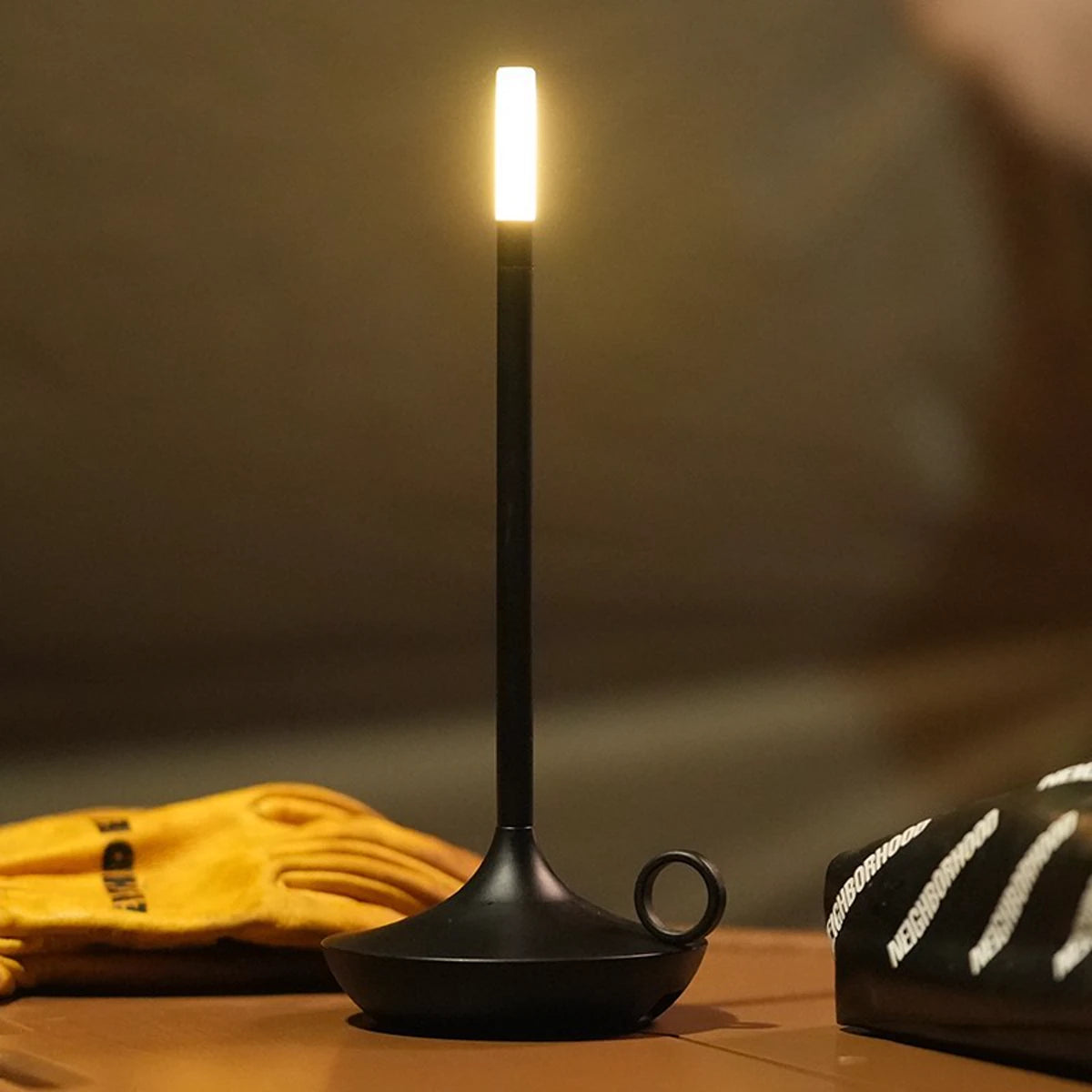
In a world dominated by sleek minimalism, vintage and retro lighting offers more than decorative flair. It brings tactile history, warmer visual texture, and a sense of “home” that many bedrooms lose when lighting is too uniform or too harsh.
Modern comfort matters, too. Light is a timing cue for the body: NIGMS explains how light helps regulate circadian rhythms (nigms.nih.gov). Studies in real bedrooms also suggest that lighting designed around dawn/dusk and reduced blue light at night can support sleep and circadian rest-activity patterns (pmc.ncbi.nlm.nih.gov).
This guide shows how to choose vintage and retro bedroom lighting that looks nostalgic, feels comfortable, and functions well for real life—reading, dressing, and winding down.
2. What Makes Lighting “Vintage” or “Retro”?
These terms get mixed together, but they signal different buying and design decisions:
- Vintage lighting: authentic pieces from past decades (often 20+ years old), with real patina, original materials, and sometimes older wiring.
- Retro lighting: new fixtures designed to look like a past era (safer, easier, more consistent), often with updated LED compatibility.
- Vintage-inspired: modern designs that borrow one or two classic elements (fluted glass, brass, globe shades) without fully committing to a period.
Design publications often highlight that vintage pieces add story and character to a room (homesandgardens.com). In practical terms, that “story” usually comes from era-specific shapes, finishes, and diffusion.
Common bedroom-friendly eras and silhouettes:
- Art Deco: geometric forms, stepped details, and opaline/frosted glass that softens light.
- Mid-century modern: globe pendants, sputnik forms, brass + wood, and simple cones.
- Traditional / farmhouse: warm metals, fabric shades, and familiar proportions.
- 1970s retro: mushroom lamps, smoked glass, and warmer amber tones.
3. The Health & Comfort Benefits of Thoughtful Lighting
Bedroom lighting affects more than visibility. It shapes how relaxed you feel in bed, how easy it is to read without eye strain, and how “night-friendly” the room becomes after dark.
Two science-backed ideas matter most:
- Timing and intensity: common household lighting in the evening can shift circadian timing, which is one reason “bright at night” tends to backfire for sleep (pmc.ncbi.nlm.nih.gov).
- Evening spectrum control: lighting that reduces blue-rich exposure at night and supports a calmer wind-down pattern is increasingly studied in bedrooms (pmc.ncbi.nlm.nih.gov).
Vintage and retro styles often help because they naturally favor shaded bulbs, frosted glass, and warmer finishes—design choices that reduce glare and make light feel softer. The “health” value isn’t the fixture age; it’s the light quality and the control you build into the room.
4. Comparing Vintage vs. Modern Lighting Styles
Here’s a quick comparison to weigh the pros and cons:
| Feature | Vintage/Retro Lighting | Modern Lighting |
|---|---|---|
| Aesthetic | Warm, nostalgic, character-rich finishes | Clean, minimal, often visually quiet |
| Materials | Brass, chrome, glass, wood, ceramics | Aluminum, composites, minimalist glass, polymers |
| Comfort feel | Often shaded/diffused; easier to avoid glare | Can be comfortable, but “exposed” looks can create hotspots |
| Eco-impact | Re-use and refurbishment potential | Efficient LEDs, but faster trend cycles |
| Maintenance | Authentic pieces may need rewiring/refurbishing | Plug-and-play with long warranties |
5. Voice of the Customer: Real-Life Feedback
Vintage and retro bedroom lighting trends persist because people feel the difference, not just see it. The most common “why” in real-world feedback is comfort: softer glow, warmer tone, and a room that feels calmer at night.
“We are in LOVE with these lights… The quality and the customer service are beyond words…he saved me from making a very expensive mistake.” (etsy.com)
“Never underestimate the right light! Just installed this mid-century globe and was amazed how it transformed the space.”
Use these signals when choosing a fixture: people rarely rave about wattage. They rave about how the light feels from the bed.
6. Incorporating Authority: Designer Insights & Data
Designers consistently describe vintage lighting as a way to add character and charm—while also supporting sustainability through re-use.
From a comfort-first perspective, the “modern” part of modern comfort is control:
- Make dimming easy: a bedroom should not have one brightness level.
- Reduce bed-glare: avoid exposed filaments in direct sightlines from pillows.
- Layer light: one ambient source plus at least one true task source is more comfortable than “bright everywhere.”
7. Choosing Authentic Vintage Fixtures: What to Look For
Authentic vintage pieces can be stunning, but bedrooms demand safety and comfort as much as style.
Safety checklist (non-negotiable):
- Inspect wiring: many fixtures from earlier decades require rewiring to meet modern safety standards.
- Confirm certification: if it’s refurbished, look for documentation such as UL listing where applicable.
- Check heat management: enclosed glass + high-output bulbs can overheat; choose LEDs and ensure adequate ventilation.
Comfort checklist (what makes it bedroom-friendly):
- Diffusion: frosted glass, fabric shades, opaline globes, or deep cones reduce harsh hotspots.
- Direction: bedside task lights should aim at pages, not at eyes.
- Control: dimmable bulbs or smart dimming helps keep the room calm at night.
If you want the look without the risk, quality reproductions and vintage-inspired fixtures can deliver the same silhouette with modern wiring and bulb compatibility.
8. Retro Fixtures That Elevate Bedroom Ambiance
If vintage is “authentic history,” retro is “playful reinterpretation.” Retro bedroom lighting works best when you choose one or two iconic shapes and let everything else stay calm.
Popular retro bedroom lighting ideas include:
- Mushroom lamps: a 1970s favorite that creates a soft pool of light on nightstands and dressers.
- Sputnik chandeliers: mid-century icons that work best in larger rooms or higher ceilings (use dimming to keep it sleep-friendly).
- Bubble and globe lamps: great for diffuse glow and gentle atmosphere.
Design rule: if the fixture looks “fun” but the light feels sharp, add a diffuser (shade, frosted bulb, or lower output) before you change the whole room.
9. How to Blend Retro Fixtures with Modern Design
Blending retro lighting with modern comfort doesn’t require a full redesign. It requires a clear hierarchy: one nostalgic focal point, then quiet supporting layers.
Use lighting as a focal point (not a theme park)
Pick one “hero era” (Art Deco, mid-century, 70s) for the main statement, then keep secondary pieces simpler and consistent in finish or shade material.
Layered lighting is the comfort upgrade
- Ambient: a shaded pendant, semi-flush, or chandelier on a dimmer.
- Task: directional sconces or reading lamps with controlled beam.
- Accent: a low, warm glow (behind a headboard, on a shelf, near a chair) for atmosphere.
Common mistakes that hurt comfort (and conversions)
- Exposed bulbs at eye level: looks vintage, feels like glare.
- Over-bright “statement” lighting: a beautiful fixture can still be the wrong bedtime experience.
- Mixed eras with no anchor: the room reads chaotic instead of curated.
10. Smart Technology in Vintage Fixtures
You can pair nostalgic fixtures with modern control. Smart bulbs now come in vintage filament styles and can work with Alexa, Google Assistant, and Apple Home.
Popular approaches:
- Smart filament bulbs: vintage look, dimmable control, and tunable warmth depending on model.
- Smart plugs + table lamps: the simplest upgrade for schedules and voice control.
- Scenes: “Read,” “Wind Down,” and “Night Path” are more useful than dozens of colors.
Compatibility reminder: not all LED bulbs work with older dimmers. If flicker happens, use LED-rated dimmers or rely on smart dimming instead.
11. Case Study: Real-Life Retro Bedroom Lighting Transformations
Three common transformations show how vintage and retro lighting improves comfort without changing the whole room:
Case 1: The Mid-Century Glow-Up
Before: a neutral bedroom with flat overhead lighting.
After: brass swing-arm wall sconces with warm, dimmable bulbs create a calmer, hotel-like mood.
Case 2: Boho Meets Vintage
Before: minimal furniture, no personality.
After: a vintage glass chandelier plus lantern-style bedside lamps adds depth while keeping the bed zone soft.
Case 3: Art Deco Elegance
Before: bland white walls and harsh track lighting.
After: an Art Deco frosted ceiling lamp with geometric metalwork becomes the centerpiece—without turning the room into a spotlight.
12. FAQs About Vintage and Retro Lighting in Bedrooms
Can I use smart bulbs in vintage fixtures?
Usually yes, as long as the base type matches and the fixture has enough ventilation. For enclosed glass shades, use LED bulbs and avoid high heat.
Are vintage lamps safe to use?
Not always. Older wiring may not meet modern electrical codes. Consider rewiring, buying refurbished fixtures, or choosing quality reproductions for peace of mind.
What bulb is best for a cozy bedroom vibe?
Warm white bulbs (often around 2700K) with dimming are a reliable choice. The most important factors are low glare, soft diffusion, and easy control from bed.
Where can I buy real vintage lighting safely?
Look for sellers with strong reviews and clear refurbishment details on marketplaces like Etsy, Chairish, and 1stDibs. Ask about rewiring, parts replacement, and testing.
How do I mix lighting from different eras?
Anchor the room with one statement piece, then repeat one unifying element elsewhere (finish, glass style, shade material, or silhouette).
Are LED bulbs compatible with old dimmer switches?
Not always. If you see flicker or buzzing, switch to LED-rated dimmers or use smart dimming to keep control smooth.
13. Conclusion
Vintage and retro bedroom lighting works when it delivers both nostalgia and comfort: a character-rich focal piece, soft diffusion that avoids glare from bed, and modern control that makes night lighting effortless. Choose silhouettes that feel timeless, then build the room around warm, layered, dimmable light.
Further Reading
Explore the full guide for this topic: Bedroom Lighting Design Guide: Style, Mood, and Atmosphere Explained
Related Articles
- The Rise of Organic and Sculptural Bedroom Lights: Nature-Inspired Designs
- Minimalist and Invisible Bedroom Lighting: Recessed and Integrated LED Solutions
- Sculptural Floor Lamps and Oversized Pendants: Top Lighting Ideas for Bedrooms
- Using Colorful and Patterned Table Lamps to Add Personality to Your Bedroom Lighting
- Mood Lighting in Bedrooms: How Color and Temperature Control Improve Sleep and Relaxation














 />
/>
 />
/>
 />
/>
 />
/>
 />
/>