

How to Create a Cozy Bedroom Atmosphere with Warm White vs. Cool White LEDs
Table of Contents
- Introduction: The Science of Bedroom Lighting in 2026
- Understanding Warm White vs. Cool White LEDs: Definitions and Key Differences
- The Psychological and Physiological Effects of LED Color Temperature
- Design Principles: Creating a Cozy Bedroom with Warm White LEDs
- When to Use Cool White LEDs in a Bedroom: Strategic Applications
- Regional Preferences and Trends in Bedroom Lighting
- Smart Lighting Solutions: The Future of Bedroom Atmosphere
- Energy Efficiency and Sustainability: Why LEDs Are the Clear Choice
- Installation Tips and Common Mistakes to Avoid
- Expert Recommendations: Choosing the Right LEDs for Your Bedroom
- Real-World Case Studies: Bedroom Lighting Transformations
- Frequently Asked Questions (FAQs)
- Conclusion: Crafting the Ultimate Cozy Bedroom with the Right LEDs
Introduction: The Science of Bedroom Lighting in 2026
As we move into 2026, the conversation around bedroom lighting has become more nuanced, with homeowners, designers, and lighting experts alike recognizing the profound impact that light quality has on comfort, sleep, and overall well-being. Among the most pivotal decisions is choosing between warm white and cool white LEDs to create a cozy bedroom atmosphere. This expert guide unpacks the science, aesthetics, and practical considerations of both lighting options, delivering actionable insights to help you transform your bedroom into a restful sanctuary that meets the latest design and health standards.
Lighting is no longer just about illumination; it shapes mood, relaxation, and even circadian rhythms. According to the U.S. Department of Energy, LED lighting not only saves energy but also offers unmatched flexibility in color temperature—making it the preferred choice for modern bedrooms.
Let’s explore the critical differences between warm and cool white LEDs, and how each can be harnessed to craft a bedroom that’s both inviting and optimized for restorative sleep.
Understanding Warm White vs. Cool White LEDs: Definitions and Key Differences
What Is Color Temperature?
Color temperature, measured in Kelvin (K), describes the hue of a light source. Lower Kelvin values (2700K–3000K) produce a warm, yellowish glow reminiscent of candlelight or traditional incandescent bulbs. Higher values (4000K–6500K) emit a cooler, bluish-white light similar to daylight.
- Warm White LEDs (2700K–3000K): Soft, cozy, and yellow-toned. Ideal for relaxation.
- Cool White LEDs (4000K–6500K): Crisp, energizing, and blue-toned. Suitable for focus and task lighting.
Comparative Table: Warm White vs. Cool White LEDs
| Feature | Warm White (2700K–3000K) | Cool White (4000K–6500K) |
|---|---|---|
| Color Appearance | Soft, yellowish | Bright, bluish-white |
| Mood/Effect | Cozy, relaxing, inviting | Energetic, alert, crisp |
| Best For | Bedrooms, living rooms | Kitchens, bathrooms, offices |
| Impact on Sleep | Supports melatonin production | May suppress melatonin, disrupt sleep |
| Regional Preference | Popular in North America, Europe | Favored in Asia, contemporary spaces |
This table illustrates the fundamental distinctions that can shape your bedroom’s ambiance and support your nightly rest.
Why It Matters in the Bedroom
Bedrooms are sanctuaries for unwinding and recharging. Lighting that mimics natural sunset hues (warm white) signals your body to relax, while cool white lighting can feel invigorating but may interfere with sleep. Studies from the National Institutes of Health confirm that exposure to cooler, blue-enriched light in the evening can suppress melatonin, leading to restless nights and disrupted circadian rhythms.
The Psychological and Physiological Effects of LED Color Temperature
Mood Enhancement and Mental Well-being
Lighting’s psychological impact is profound. Warm white LEDs foster feelings of comfort and safety—key components of a restful bedroom. Cool white LEDs, in contrast, simulate daylight, enhancing alertness and focus but potentially undermining the calming atmosphere essential for sleep. Research published by the SAGE Journal of Lighting Research & Technology demonstrates that warm lighting supports relaxation and stress reduction, especially in evening hours.
- Warm Light: Triggers the release of melatonin, preparing your body for restful sleep.
- Cool Light: Increases cortisol, which is associated with alertness and daytime productivity.
Physiological Effects: Sleep, Hormones, and Circadian Rhythm
Our bodies respond to light cues. Exposure to cool white LEDs in the evening can delay sleep onset and reduce sleep quality. Warm white lighting, however, naturally aligns with the body’s internal clock, gently guiding you into a restful state. This is particularly important for residents in urban areas like New York, Toronto, or London, where ambient city light can already disrupt natural rhythms.
🛏️ “Switching to warm white LEDs transformed my nights. I fall asleep faster and wake up feeling truly rested—something I struggled with for years.”
— Emily, Toronto homeowner
Design Principles: Creating a Cozy Bedroom with Warm White LEDs
Layered Lighting Approach
To achieve a cozy bedroom, experts recommend a layered lighting strategy. This involves combining ambient, task, and accent lighting—with warm white LEDs as the primary source for overall ambiance.
- Ambient Lighting: Ceiling fixtures or recessed lights set to 2700K–3000K for gentle, uniform illumination.
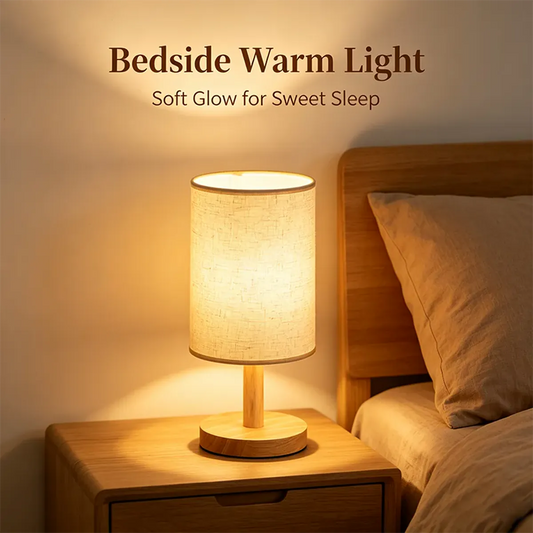
- Task Lighting: Bedside lamps or sconces in warm white for reading or winding down.
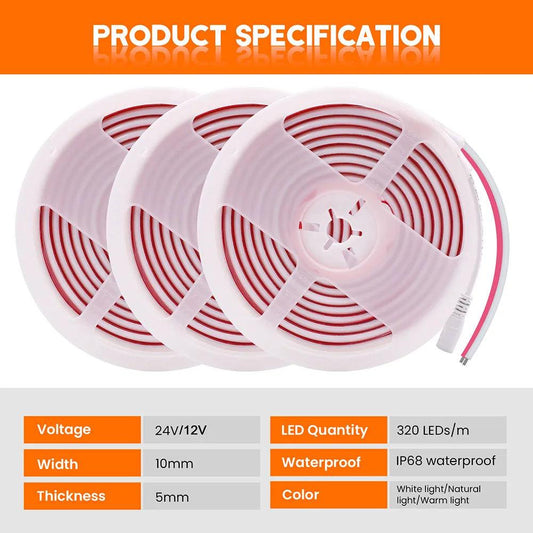
- Accent Lighting: LED strip lights behind headboards, art, or shelving to create depth and softness.
Incorporating dimmers and smart controls allows you to fine-tune light intensity, adapting to different moods and activities throughout the evening.
Color Harmony and Decor Integration
Warm white light enhances natural wood tones, soft fabrics, and earthy palettes—popular choices in Scandinavian and North American bedroom design. It softens shadows and flatters skin tones, making the space feel intimate and welcoming.
- Pair with natural fibers (linen, cotton) for a tactile, calming effect.
- Use layered textiles and plush rugs to amplify warmth.
🌙 “After updating our bedroom with warm white LEDs, the entire space feels like a luxury retreat. Even our guests notice the difference!”
— Marcus, Seattle interior designer
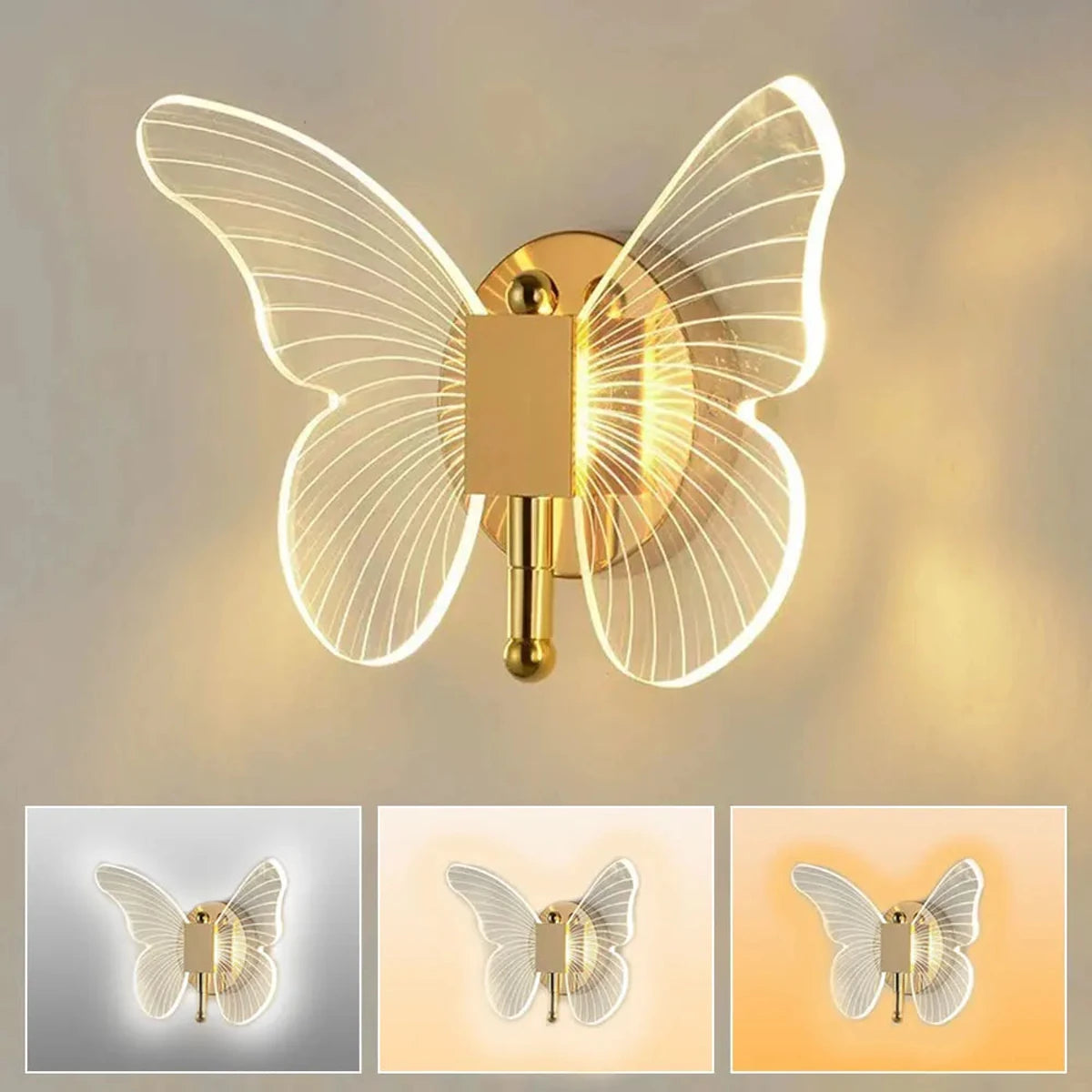
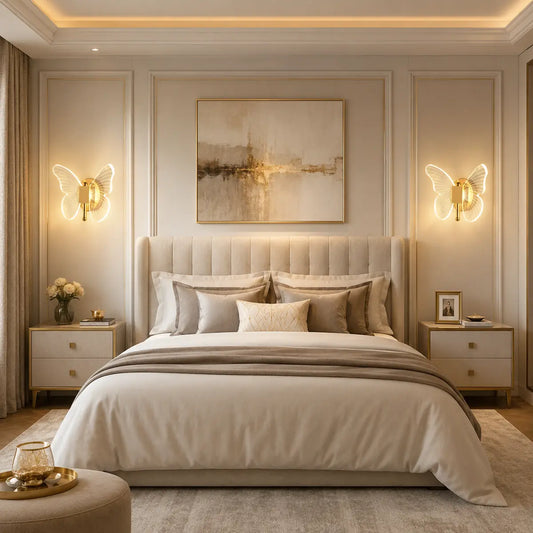
A layered lighting approach is key to creating a cozy bedroom atmosphere, and warm white LEDs are perfect for setting the overall mood. The Modern Metal Acrylic Butterfly LED Wall Light complements this strategy, offering tricolor dimming to adjust the light to your desired warmth while adding a decorative touch. As an ambient accent, it elevates the space, helping you achieve both functionality and a serene, cozy atmosphere.
When to Use Cool White LEDs in a Bedroom: Strategic Applications
Task Zones and Multi-Use Bedrooms
There are scenarios where cool white LEDs can add value in a bedroom—especially in multi-functional spaces. For example, if your bedroom doubles as a home office or study area, installing a cool white reading lamp (4000K) can boost concentration during daytime hours. In densely populated regions like Singapore or Hong Kong, where space is limited, this dual-purpose approach is common.
Accent and Decorative Use
Cool white LEDs can be used to highlight architectural features, artwork, or storage areas. They provide crisp clarity for organization and aesthetic contrast. However, experts advise limiting their use to avoid disrupting the calming, restful vibe needed for sleep.
- Use cool white for under-bed storage lighting or in closets to enhance visibility.
- Install smart bulbs with adjustable color temperature to switch between cool and warm modes as needed.
In multi-use bedrooms, especially when space is limited, cool white LEDs can be a game-changer for task areas like home offices or study zones. The Wood Touch-Control LED Wall Light fits this need perfectly, offering 360° rotation and three adjustable brightness levels, allowing you to customize the lighting for focused work or reading. Its USB rechargeable feature ensures convenience, making it an ideal addition to any multi-functional space where both productivity and relaxation are key.

Regional Preferences and Trends in Bedroom Lighting
North America and Europe
Homeowners in the U.S., Canada, and much of Europe gravitate towards warm white LEDs for bedrooms, aligning with a cultural emphasis on comfort, privacy, and relaxation. According to a 2023 survey by the Illuminating Engineering Society, over 75% of respondents in these regions chose warm white lighting for personal spaces.
Asia-Pacific and Contemporary Urban Spaces
In fast-growing cities like Tokyo, Seoul, and Sydney, cool white lighting is often preferred for modern aesthetics and small-space optimization. However, there’s a growing trend towards adjustable color temperature systems, allowing users to shift from cool to warm tones as bedtime approaches—a practice that supports better sleep hygiene.
- In Australia, energy-efficient warm white LEDs are now standard in new residential builds.
- Japan’s “Hikari-no-Michi” (Path of Light) design movement emphasizes tunable white lighting in urban apartments.
Smart Lighting Solutions: The Future of Bedroom Atmosphere
Benefits of Smart and Tunable LEDs
Integration of smart LED systems—controlled via smartphone or voice—has revolutionized bedroom lighting. Modern solutions allow users to adjust color temperature, brightness, and even set schedules to mimic natural daylight cycles. This technology is especially popular in tech-forward regions like California’s Silicon Valley and London’s smart home market.
- Set a “wind-down” routine: lights gradually shift from cool to warm as evening progresses.
- Automate wake-up lighting: simulate sunrise with increasing brightness and cooler tones.
Popular Brands and Products
Brands like Philips Hue, LIFX, and Nanoleaf offer customizable lighting kits, compatible with major smart home systems. According to Statista, the global smart lighting market is projected to reach $44 billion by 2026, with bedroom applications leading growth.
Energy Efficiency and Sustainability: Why LEDs Are the Clear Choice
LED Advantages Over Traditional Lighting
LEDs consume up to 75% less energy and last 25 times longer than incandescent bulbs, according to the U.S. Department of Energy. This not only reduces utility bills but also supports eco-friendly living—a top priority for regions like Scandinavia and the Pacific Northwest.
- Warm white and cool white LEDs are equally efficient, allowing you to choose ambiance without sacrificing sustainability.
- LEDs contain no hazardous mercury and offer full recyclability options.
Certifications and Rebates
Look for ENERGY STAR and DLC-certified products to ensure high performance and safety. Many utility providers in Canada, Australia, and the U.S. offer rebates for upgrading to energy-efficient LEDs—making your bedroom transformation both affordable and responsible.
Installation Tips and Common Mistakes to Avoid
Planning Your Lighting Layout
Start with a lighting plan that prioritizes relaxation zones. Place dimmable warm white LEDs near the bed, and keep task lighting focused and adjustable. Use layered controls to avoid harsh transitions that can jar your senses at night.
- Install wall dimmers or smart switches for ultimate flexibility.
- Avoid placing cool white lights above the bed or in direct line of sight during evening hours.
Common Pitfalls
Many homeowners inadvertently disrupt their sleep environment by choosing bulbs with excessively high Kelvin ratings or installing cool white fixtures in all bedroom zones. Stick to warm white for main lighting, and reserve cool tones for specific tasks or daylight-mimicking alarm clocks.
Expert Recommendations: Choosing the Right LEDs for Your Bedroom
Checklist for Selection
- Primary Lighting: Warm white LEDs (2700K–3000K), dimmable, with high CRI (Color Rendering Index) for natural color appearance.
- Task Lighting: Adjustable Kelvin or cool white (4000K) for reading or working.
- Smart Controls: Wi-Fi or Bluetooth-enabled bulbs for customized routines.
- Certification: ENERGY STAR, DLC, or equivalent local standards.
Consult with a local lighting specialist or interior designer to tailor solutions to your region, climate, and lifestyle.
Real-World Case Studies: Bedroom Lighting Transformations
Case Study 1: Urban Apartment in New York City
Monica, a software engineer, replaced her overhead cool white lighting with layered warm white LEDs and smart dimmers. Within weeks, she reported deeper, more restful sleep and a noticeable reduction in evening stress.
Case Study 2: Suburban Home in Sydney, Australia
For a growing family, the Johnsons installed tunable LEDs, shifting from cool white in the mornings to warm white by night. The result? Improved bedtime routines for the kids and a cozier, more inviting master suite.
Frequently Asked Questions (FAQs)
1. What is the ideal color temperature for a bedroom?
For bedrooms, experts recommend a color temperature in the 2700K to 3000K range, which provides a soft, warm white light. This closely mimics the natural hues of sunset, helping your body relax and prepare for sleep. Higher color temperatures (above 4000K) are better suited for areas where alertness and focus are needed, like kitchens or home offices. If you use your bedroom for multiple purposes, consider tunable or smart LED bulbs so you can adjust the light as needed throughout the day.
2. Can cool white LEDs affect my sleep quality?
Yes, exposure to cool white LEDs (4000K and above) in the hours leading up to bedtime can suppress melatonin production, delaying sleep onset and reducing sleep quality. The blue light component in cool white LEDs signals to your brain that it's still daytime, making it harder to wind down. For best results, switch to warm white lighting in the evening and reserve cool white for daytime tasks or specific activities like reading or working.
3. Are smart LED bulbs worth the investment for bedrooms?
Smart LED bulbs offer significant advantages for bedroom environments. They let you customize color temperature and brightness, set schedules, and automate lighting routines. This means you can wake up gently to a simulated sunrise or wind down at night with gradually dimming, warm white light. In regions like California and London, smart bulbs are popular for their convenience, energy savings, and ability to support healthy sleep habits. The initial investment pays off in comfort, energy efficiency, and enhanced well-being.
4. How can I make a small bedroom feel cozier with LEDs?
To make a small bedroom feel cozy, focus on layering warm white LED lighting. Use a combination of dimmable overhead lights, bedside lamps, and accent lighting, such as LED strips behind headboards or under shelves. Warm white lighting (2700K–3000K) softens shadows and adds depth, creating an intimate atmosphere. Pair your lighting with soft textiles and warm-toned décor for best results. Avoid harsh, cool white lights, which can make small spaces feel sterile or uninviting.
5. What certifications should I look for when purchasing LED bulbs?
Look for ENERGY STAR or DesignLights Consortium (DLC) certification when selecting LED bulbs. These certifications ensure that the products meet strict standards for energy efficiency, quality, and safety. Certified LEDs are widely available across North America, Europe, and Australia, and many utility companies offer rebates for upgrading. Additionally, check the Color Rendering Index (CRI) rating—choose bulbs with a CRI of 80 or higher for natural-looking illumination in your bedroom.
6. Can I mix warm and cool white LEDs in my bedroom?
Yes, you can mix warm and cool white LEDs strategically. Use warm white (2700K–3000K) for general and ambient lighting to foster relaxation, and reserve cool white (4000K+) for task zones like reading nooks or study areas. Smart bulbs that allow you to adjust color temperature are ideal for bedrooms used for multiple purposes. Just ensure that, in the hour before sleep, you rely primarily on warm white lighting to support your natural sleep cycle and create a restful environment.
Conclusion: Crafting the Ultimate Cozy Bedroom with the Right LEDs
The choice between warm white and cool white LEDs can define your bedroom’s comfort, style, and sleep quality. In 2026, the clear consensus among experts and consumers is to prioritize warm white lighting for bedrooms, supported by smart controls and layered designs. Whether you’re in New York, London, Sydney, or beyond, this approach not only enhances well-being but also aligns with the latest trends in energy efficiency and smart home technology.
Armed with these insights, you’re ready to create a bedroom that’s as cozy as it is functional—ensuring better rest and brighter mornings for years to come.
Further Reading
Explore the full guide for this topic: Bedroom Lighting Design Guide: Style, Mood, and Atmosphere Explained
Related Articles
- Bedroom Lighting Ideas: Layered Lighting Plans for Different Bedroom Sizes
- Top Bedroom Lighting Trends for 2026: Styles, Materials & Smart Innovations
- Vintage and Retro Lighting in Bedrooms: Blending Nostalgia with Modern Comfort
- The Rise of Organic and Sculptural Bedroom Lights: Nature-Inspired Designs
- Minimalist and Invisible Bedroom Lighting: Recessed and Integrated LED Solutions














 />
/>
 />
/>
 />
/>
 />
/>
 />
/>